
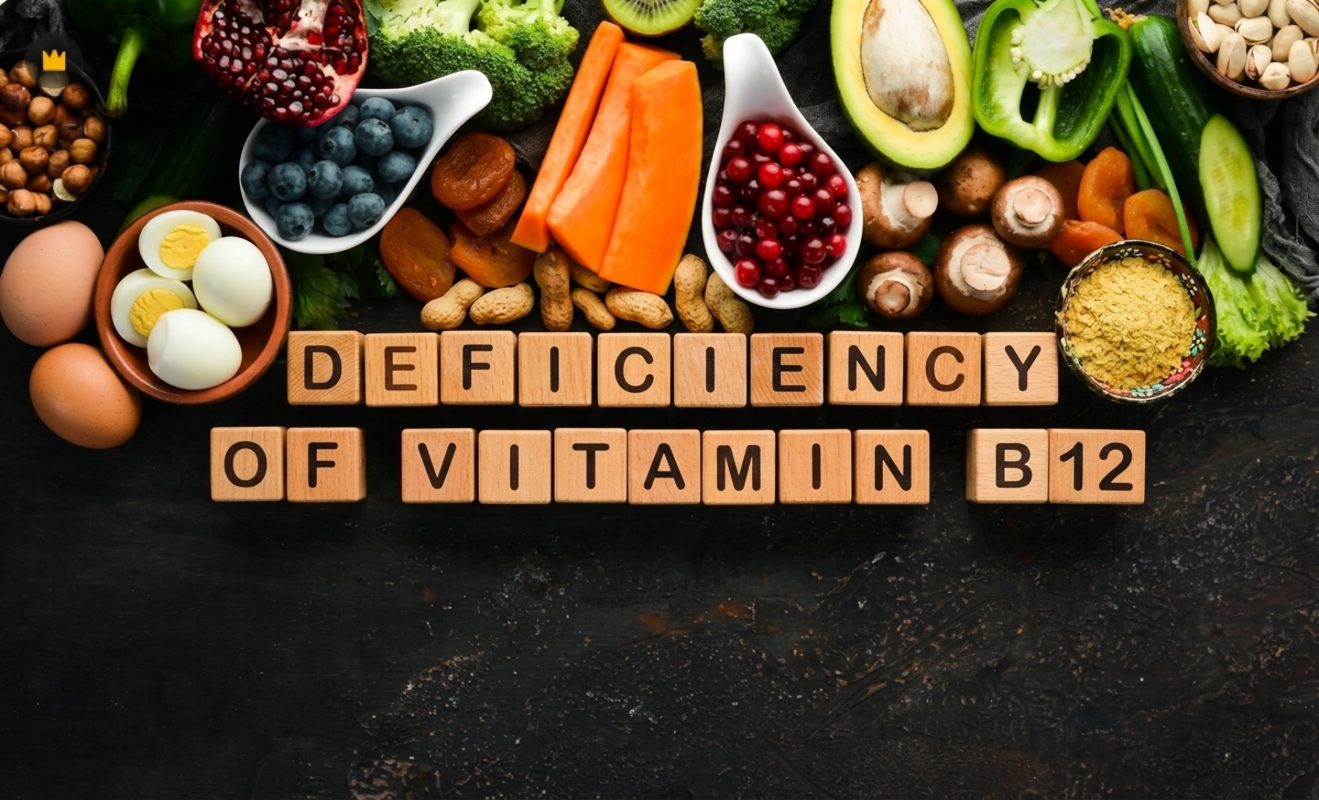
Have you been feeling unusually tired, struggling to concentrate, or noticing tingling in your hands and feet? These changes can have several causes, but they may sometimes indicate a Deficiency of Vitamin B12. Vitamin B12 supports red blood cell production, healthy nerve function, and DNA formation. Recognizing early symptoms can help you understand when your body may need more of this essential nutrient.
What Is Vitamin B12 Deficiency?
Vitamin B12 deficiency occurs when your body does not have enough vitamin B12 to perform important functions. This nutrient helps maintain healthy nerves and supports the production of red blood cells that carry oxygen throughout the body.
Including vitamin B12 foods such as eggs, dairy products, fish, and fortified cereals in your diet can help maintain adequate levels of this essential nutrient.
A b12 deficiency may develop gradually, so symptoms can be easy to overlook. Low levels may result from an inadequate diet, poor absorption, or certain health conditions.
What Are the Symptoms of Vitamin B12 Deficiency?
The symptoms of vitamin B12 deficiency can affect your energy, nerves, digestion, and mental well-being. Some people notice only mild changes at first, while others develop several symptoms.
Common signs of vitamin B12 deficiency include:
-
Persistent tiredness or weakness
-
Pale or slightly yellowish skin
-
Tingling or numbness in the hands and feet
-
Difficulty maintaining balance
-
Memory problems or difficulty concentrating
-
A sore, red tongue or mouth ulcers
-
Reduced appetite or digestive discomfort
-
Mood changes or unusual irritability
These low B12 symptoms can vary from person to person. Some symptoms, particularly nerve-related changes, may develop even without severe anemia.
What Causes Vitamin B12 Deficiency?
Vitamin B12 levels may drop when your diet provides too little of this nutrient or your digestive system struggles to take it in.
Common causes include:
-
Limited dietary intake: Vitamin B12 is mainly found in animal-based foods and fortified products.
-
Digestive difficulties: Some stomach or intestinal disorders can make it harder for the body to absorb vitamin B12.
-
Pernicious anemia: This condition affects the body’s ability to absorb vitamin B12.
-
Digestive surgery: Some stomach or intestinal procedures can reduce absorption.
-
Certain medications: Long-term use of some medicines may affect vitamin B12 levels.
Understanding the cause helps determine whether dietary changes, supplements, or other treatment options are needed.
Which People May Be More Likely to Develop Low B12 Levels?
The following groups may have a greater chance of having insufficient vitamin B12:
-
People following vegan diets without reliable fortified foods or supplements
-
Older adults with reduced absorption
-
People with digestive conditions affecting nutrient absorption
-
Individuals who have undergone stomach or intestinal surgery
-
People taking certain medicines for extended periods
Vegetarians may also need to plan their diets carefully because naturally occurring vitamin B12 is not reliably available from most plant foods.
Recognizing b12 deficiency symptoms early can help people at higher risk identify possible nutrient deficiencies and seek appropriate testing.
What Are Normal Vitamin B12 Levels?
Vitamin B12 levels are usually measured through a blood test. Although reference ranges differ between laboratories, levels below approximately 200 pg/mL are often considered low, while results around 200–300 pg/mL may require further evaluation.
A result within the laboratory’s normal range does not always tell the whole story. When symptoms suggest a deficiency, additional tests may help clarify the result. Your test report should be interpreted alongside your symptoms and relevant health history.
How Can You Get More Vitamin B12?
Choosing foods that provide vitamin B12 can help maintain adequate levels.
Useful sources include:
-
Fish and shellfish
-
Eggs
-
Milk, yogurt, and cheese
-
Meat and poultry
-
Fortified breakfast cereals
-
Fortified plant-based drinks
Those who avoid animal-based foods may consider vitamin B12-fortified foods or appropriate supplements to meet their nutritional needs.
What Is the Vitamin B12 Deficiency Cure?
The vitamin B12 deficiency cure depends on what caused the deficiency and how severe it is. Treatment may involve dietary changes, oral supplements, or vitamin B12 injections when absorption is impaired, or the deficiency is significant.
Getting enough vitamin B12 supports red blood cell formation, nerve function, and normal energy metabolism. However, taking extra vitamin B12 does not necessarily increase energy or improve hair growth if your levels are already adequate.
What Happens if Vitamin B12 Deficiency Is Untreated?
The effects of vitamin B12 deficiency can become more serious when the condition continues without treatment. Possible complications include:
-
Vitamin B12-related anemia
-
Persistent fatigue and weakness
-
Numbness or tingling caused by nerve problems
-
Difficulty walking or maintaining balance
-
Memory and concentration difficulties
Some neurological complications may become permanent if the deficiency is prolonged. Recognizing the signs of B12 deficiency and addressing the underlying cause can help reduce the risk of complications.
Conclusion
A Deficiency of Vitamin B12 can affect energy levels, blood cell production, nerve function, and concentration. Recognizing the symptoms, understanding the causes, and including reliable vitamin B12 sources in your diet can help support overall health. If symptoms persist or your risk is high, appropriate testing can help identify low levels and determine the next steps.
Frequently Asked Questions
1. What are the first signs of vitamin B12 deficiency?
Early signs may include tiredness, weakness, tingling in the hands or feet, and difficulty concentrating. Symptoms can develop gradually.
2. Can vitamin B12 deficiency cause hair loss?
Low vitamin B12 may contribute to hair changes in some people, but hair loss has many possible causes. Correcting a deficiency may help when low levels are contributing to the problem.
3. Can vegetarians get enough vitamin B12?
Yes, but they may need fortified foods or supplements because most unfortified plant foods do not provide reliable amounts of vitamin B12.
4. How is vitamin B12 deficiency treated?
Treatment may include oral supplements, dietary changes, or injections, depending on the severity and underlying cause.
5. Can low vitamin B12 affect people differently?
Yes. One person may experience ongoing tiredness, while another may notice numbness, digestive discomfort, or trouble concentrating.
References:
- https://my.clevelandclinic.org/health/diseases/22831-vitamin-b12-deficiency
- https://pmc.ncbi.nlm.nih.gov/articles/PMC13095491/

No Comments