
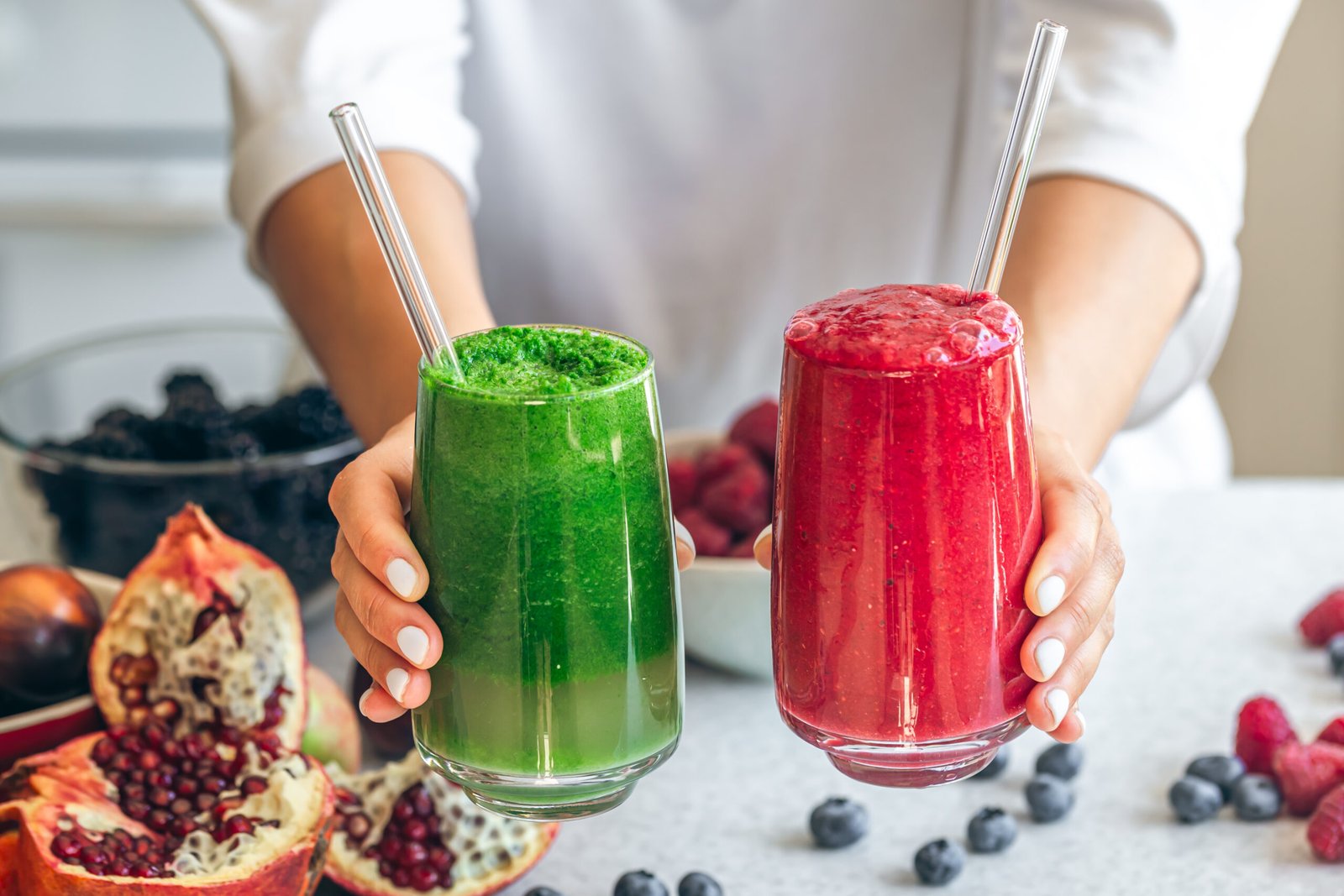
A healthy lifestyle starts with mindful food choices, proper hydration, and a balanced diet. One popular wellness trend that has gained attention is a juice cleanse. Made using fresh fruits and vegetables, juices provide essential vitamins, minerals, antioxidants, and fluids that support overall health. Many people explore juice cleansing as a way to increase their fruit and vegetable intake, refresh their eating habits, and develop healthier routines.
But what are the benefits of a juice cleanse, and is it actually good for your health? While fresh juices can be a nutritious addition to your diet, relying entirely on juices for an extended period may not provide all the nutrients your body needs. Let’s explore the potential health benefits, limitations, and important things to know before trying a juice cleanse.
What Is a Juice Cleanse?
A juice cleanse is a dietary approach in which a person consumes fruit and vegetable juices for a specific period, sometimes replacing regular meals with liquids. It is also commonly known as a liquid cleansing diet.
A typical juice cleanse may include cucumber, spinach, kale, carrots, apples, oranges, beetroot, lemon, and other fresh produce. Some people follow a short juice routine alongside regular meals, while others follow a juice-only plan.
Although juice cleansing is often promoted for detoxification and weight management, there is limited scientific evidence that juice cleanses remove toxins more effectively than the body’s natural detoxification systems, particularly the liver and kidneys.
10 Amazing Benefits of Juice Cleanse
Here are some potential health benefits of including fresh fruit and vegetable juices in a balanced eating routine.
1. Provides Essential Vitamins and Minerals
Fresh juices can provide important nutrients, including vitamin C, vitamin A precursors, potassium, and folate. These nutrients support several bodily functions, including immune health, normal vision, and cellular function.
For example, orange juice provides vitamin C, while carrot juice contains beta-carotene, which the body can convert into vitamin A.
2. Supports Better Hydration
One of the important health benefits juice cleanse enthusiasts often highlight is improved fluid intake. Fruits and vegetables such as cucumber, watermelon, oranges, and celery contain considerable amounts of water.
Fresh juices can contribute to daily fluid intake, helping maintain normal body functions. However, water should remain your primary source of hydration.
3. Increases Fruit and Vegetable Intake
Many people struggle to consume enough fruits and vegetables every day. A green juice cleanse containing spinach, cucumber, celery, and other vegetables can make it easier to include a wider variety of plant-based foods in your routine.
These ingredients provide beneficial plant compounds and micronutrients. However, whole fruits and vegetables should remain an important part of your diet because juicing removes much of their fibre.
4. Provides Antioxidants
Fresh fruit and vegetable juices contain antioxidants and plant compounds that help protect cells against oxidative stress.
Ingredients such as berries, beetroot, pomegranate, spinach, and citrus fruits contain different antioxidant compounds. Including these ingredients in a balanced diet may support overall health.
5. Encourages Healthier Eating Habits
A short-term juice routine may encourage people to become more conscious of their food choices. Preparing fresh juices can also motivate individuals to experiment with different fruits and vegetables.
However, sustainable healthy eating habits should include balanced meals rather than depending on restrictive diets.
6. May Support Digestive Health
Fruit and vegetable juices provide fluids that contribute to hydration, which is important for normal digestion.
However, juicing removes much of the dietary fibre found in whole produce. Fibre supports regular bowel movements and beneficial gut bacteria. Therefore, eating whole fruits and vegetables is generally better for digestive health than consuming only juices.
7. Supports Nutrient Variety
Different fruits and vegetables contain different nutrients. Combining ingredients such as carrots, apples, spinach, beetroot, and oranges can help introduce a variety of vitamins and plant compounds into your diet.
A colourful juice can be a convenient addition to meals, provided it does not replace other important food groups.
8. May Help With Weight Management
A juice cleanse weight loss programme may lead to temporary weight reduction because people often consume fewer calories when following a restrictive liquid diet.
However, much of the initial weight loss may come from water and glycogen depletion rather than sustainable fat loss. Weight can return when normal eating habits resume.
Fruit juice diets for weight loss are not a long-term solution. A balanced diet containing vegetables, whole fruits, lean proteins, whole grains, and healthy fats is a more sustainable approach.
9. Provides a Convenient Way to Consume Vegetables
For people who dislike eating certain vegetables, fresh juices can offer another way to consume some of their nutrients.
A green juice cleanse made with cucumber, spinach, celery, and lemon can be a convenient option. Still, it should complement rather than replace whole vegetables.
10. Encourages Mindful Lifestyle Choices
Preparing fresh juices at home can encourage people to pay attention to ingredients, food quality, and daily nutrition.
Choosing fresh produce, limiting added sugar, staying hydrated, and maintaining regular physical activity can contribute to better overall wellness.
Juice Cleanse for Liver and Kidney Detox: Does It Work?
Many people try juice cleansing with the belief that it can remove toxins from the body. A juice cleanse liver detox plan often includes ingredients such as beetroot, lemon, cucumber, carrots, and leafy greens.
However, the liver already plays a major role in processing substances and removing waste products from the body. The kidneys help remove waste products from the blood while regulating the body’s fluid levels. There is no strong scientific evidence that a special juice cleanse improves these natural detoxification processes.
If you are searching for the best liver juice cleanse, consider nutrient-rich juices as part of a balanced diet rather than a medical detox treatment.
A kidney juice cleanse is also not scientifically proven to cleanse or repair the kidneys. People with kidney conditions should consult a healthcare professional before making significant dietary changes.
Pros and Cons of Juice Cleanse
Before starting a juice cleanse, it is important to understand its advantages and limitations.
|
Pros of juice cleanse |
Cons of juice cleanse |
|---|---|
|
Provides vitamins and minerals |
May lack sufficient protein |
|
Increases fluid intake |
Often low in dietary fibre |
|
Introduces different plant nutrients |
Can cause hunger and fatigue |
|
Encourages fruit and vegetable consumption |
May lead to temporary weight loss |
|
Offers convenient nutrient intake |
May increase blood sugar levels |
Understanding the pros and cons of juicing diet plans can help you make informed dietary decisions.
A juice and fruit fast or an extended liquid cleansing diet may also cause nutritional deficiencies if it replaces balanced meals. Therefore, avoid restrictive cleansing programmes without professional guidance.
Is a Juice Cleanse Healthy?
So, is a juice detox good for you? It depends on how you approach it. If you are wondering, are juice cleanses bad for you, the answer depends on their duration, ingredients, and your health condition. People with diabetes, kidney disease, or other medical conditions should seek medical advice before attempting one.
Instead of following extreme fruit juice diets for weight loss, focus on balanced nutrition, regular exercise, adequate sleep, and proper hydration.
FAQs
1. What are juice cleanses good for?
Juice cleanses can help increase your intake of fluids, vitamins, minerals, and plant compounds. However, they are not necessary for detoxification, as the liver and kidneys naturally perform these functions.
2. What is the best juice for liver health?
Juices containing beetroot, carrots, spinach, and citrus fruits provide beneficial nutrients and antioxidants. However, no particular juice has been proven to detoxify or cleanse the liver.
3. Can a juice cleanse help with weight loss?
A juice cleanse may cause short-term weight loss due to reduced calorie intake. However, the results may not last, and restrictive juice diets can lead to nutritional deficiencies.
4. Is juice cleansing healthy for everyone?
No. Juice cleansing may not be suitable for everyone, particularly people with diabetes, kidney problems, or nutritional deficiencies. Consult a healthcare professional before starting a restrictive juice programme.
5. Can I drink green juice every day?
Yes, most healthy adults can enjoy moderate amounts of green juice as part of a balanced diet. Choose vegetables over sugary fruits and remember that whole vegetables provide more fibre.
Reference
https://www.medicalnewstoday.com/articles/323136
0 200

No Comments