
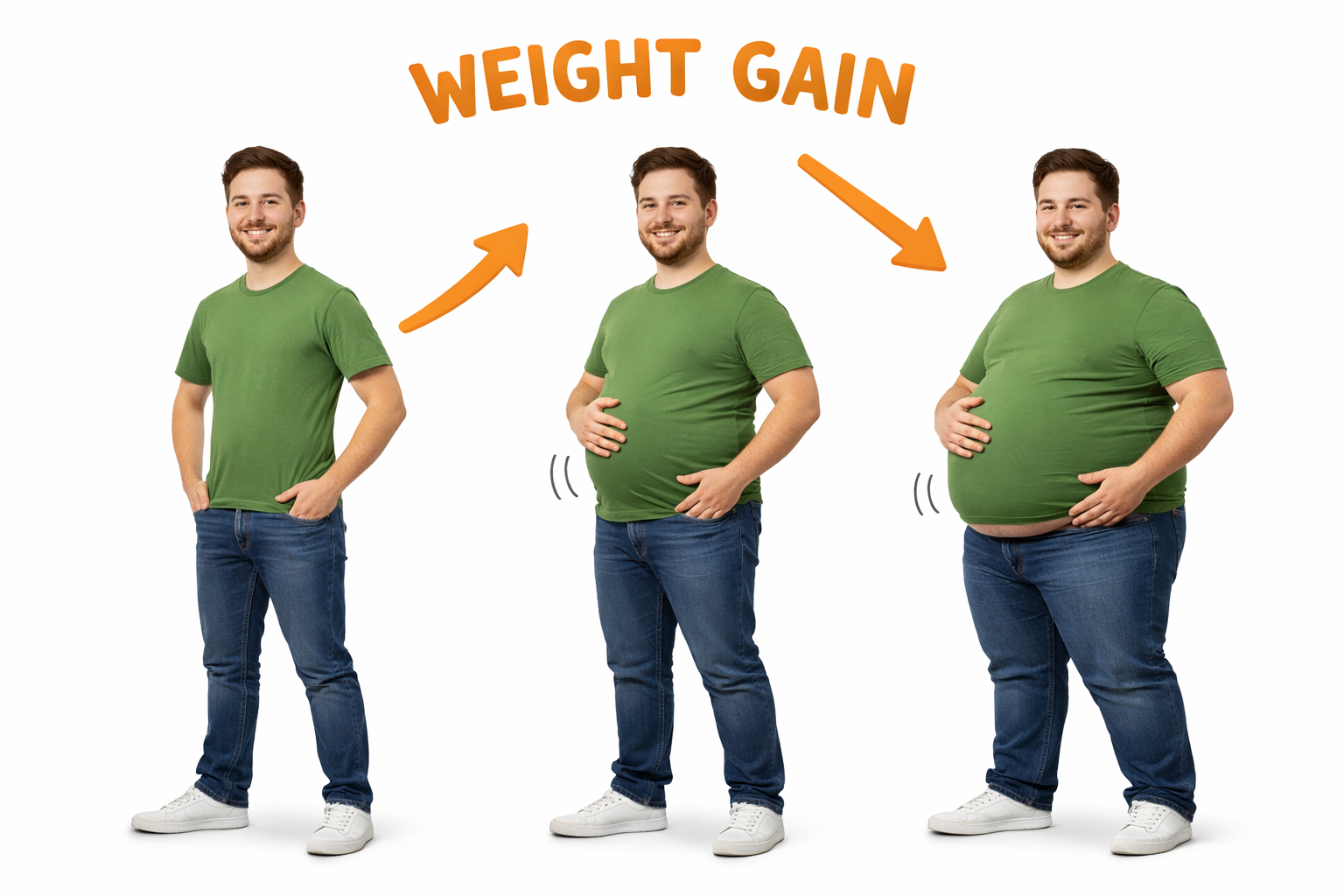
Midlife can be a challenging period when it comes to maintaining a healthy weight. Many people experience midlife weight gain, even if they have never struggled with weight issues before. Changes in metabolism, hormonal fluctuations, reduced muscle mass, and lifestyle shifts all contribute to this phenomenon. Understanding why weight gain occurs and how to manage it through proper diet and lifestyle is crucial for long-term health.
Why Midlife Weight Gain Happens
There are several factors behind midlife weight gain:
-
Slower Metabolism: As we age, the body burns fewer calories at rest. This can make it easier to gain weight even with the same diet.
-
Hormonal Changes: Menopause in women and declining testosterone in men can shift fat distribution, leading to abdominal fat accumulation.
-
Muscle Loss: Reduced physical activity often leads to a decrease in muscle mass, which lowers the resting metabolic rate.
-
Lifestyle Factors: Stress, inadequate sleep, and sedentary routines can all contribute to weight gain and diet imbalance.
Addressing midlife weight gain requires a combination of smart dietary choices, strength training, and lifestyle modifications.
Dieting for Weight Control
Dieting weight gain is a common concern. While many focus on cutting calories, this isn’t always the most effective approach in midlife. Instead, the focus should be on nutrient-rich foods, portion control, and balanced meals.
Key Guidelines:
-
Include lean proteins such as chicken, fish, tofu, and legumes to maintain muscle mass.
-
Choose high-fiber vegetables and whole grains to regulate digestion and prevent overeating.
-
Limit refined sugars and highly processed foods that spike blood sugar and promote fat storage.
-
Incorporate healthy fats like nuts, seeds, avocado, and olive oil, which improve satiety and metabolism.
How to Gain Muscle and Prevent Fat Accumulation
While some people struggle with losing weight, others may face how to gain weight gain challenges due to muscle loss or poor appetite. The key is combining resistance training with a targeted diet.
For Women: Strength training helps counter how to weight gain women issues by preserving muscle mass and boosting metabolism. Protein-rich snacks such as Greek yogurt, eggs, and nuts are essential.
For Men: Men experiencing how to weight gain men concerns can benefit from compound exercises like squats, deadlifts, and bench presses. Pair this with calorie-dense foods like lean meats, whole grains, and nuts.
Diet Plans for Weight Gain
Creating a diet plans weight gain strategy depends on your goals. A weight gain diet plan should focus on consuming slightly more calories than your body burns while maintaining nutrient balance.
Sample Daily Plan:
-
Breakfast: Oatmeal with nuts, seeds, and a dollop of peanut butter
-
Snack: Smoothie with banana, protein powder, and whole milk
-
Lunch: Grilled chicken with quinoa and roasted vegetables
-
Snack: Handful of almonds and dried fruits
-
Dinner: Salmon with sweet potato and steamed broccoli
For those looking for diet plan for weight gain, adding small, calorie-rich meals throughout the day can help achieve goals without feeling overly full. Calorie rich food for weight gain includes nuts, seeds, whole-fat dairy, avocado, and healthy oils.
Lifestyle Adjustments
Midlife weight gain solutions extend beyond diet. Incorporating regular physical activity, strength training, and stress management are crucial.
-
Exercise: Aim for 150 minutes of moderate activity per week, with two days of strength training.
-
Sleep: 7–8 hours of quality sleep helps regulate appetite hormones.
-
Stress Management: Practices like meditation, yoga, or deep breathing can reduce stress-related eating.
-
Hydration: Drinking enough water improves metabolism and prevents mistaking thirst for hunger.
Sample 7-Day Weight Gain Diet Plan
For those looking to tackle midlife weight gain strategically, here’s a sample weight gain diet plan for a week:
-
Day 1: Breakfast: Smoothie with protein powder; Lunch: Grilled chicken salad; Dinner: Quinoa and roasted vegetables
-
Day 2: Breakfast: Oatmeal with nuts; Lunch: Turkey wrap; Dinner: Baked salmon with sweet potato
-
Day 3: Breakfast: Eggs and avocado toast; Lunch: Lentil soup; Dinner: Stir-fried tofu and brown rice
-
Day 4: Breakfast: Greek yogurt with berries; Lunch: Chicken and quinoa bowl; Dinner: Beef stir-fry
-
Day 5: Breakfast: Protein pancakes; Lunch: Chickpea salad; Dinner: Grilled fish and steamed broccoli
-
Day 6: Breakfast: Smoothie with nut butter; Lunch: Turkey sandwich on whole-grain bread; Dinner: Vegetable curry with brown rice
-
Day 7: Breakfast: Scrambled eggs with spinach; Lunch: Lentil salad; Dinner: Baked salmon with roasted vegetables
Following this type of diet plan for weight gain helps maintain a balanced approach while ensuring adequate calories and nutrients.
Midlife Weight Gain Solutions
Addressing midlife weight gain solutions requires a holistic approach:
-
Focus on nutrient-dense foods instead of empty calories
-
Incorporate weight gain diet plan strategies if needed for muscle maintenance
-
Stay active with both cardio and strength training
-
Manage stress and sleep effectively
Combining these approaches not only reduces midlife weight gain but also supports overall health and vitality.
Managing midlife weight gain doesn’t have to be complicated. With the right combination of diet, exercise, and lifestyle habits, it’s possible to maintain a healthy weight, support metabolism, and feel energetic throughout midlife. A structured diet plan for weight gain paired with smart lifestyle choices is key to achieving sustainable results.
FAQs
1. What causes midlife weight gain?
Midlife weight gain is caused by slower metabolism, hormonal changes, muscle loss, and lifestyle factors such as poor diet and sedentary habits.
2. Can diet alone reverse midlife weight gain?
A proper weight gain diet plan can help, but combining it with exercise and lifestyle adjustments is more effective for long-term results.
3. What are the best calorie rich food for weight gain?
Nuts, seeds, avocado, whole-fat dairy, nut butter, lean meats, and whole grains are excellent calorie-rich foods to support healthy weight gain.
4. How can women prevent midlife weight gain?
Women can prevent midlife weight gain by strength training, eating protein-rich meals, controlling portions, and staying active consistently.
5. How can men manage weight gain in midlife?
Men should combine resistance training with a balanced weight gain diet plan, focus on nutrient-rich foods, manage stress, and maintain regular physical activity.
Reference
https://my.clevelandclinic.org/health/symptoms/unexplained-weight-gain
https://www.health.state.mn.us/docs/people/wic/nutrition/english/genweightgain.pdf
https://www.betterhealth.vic.gov.au/health/healthyliving/weight-and-muscle-gain


No Comments