
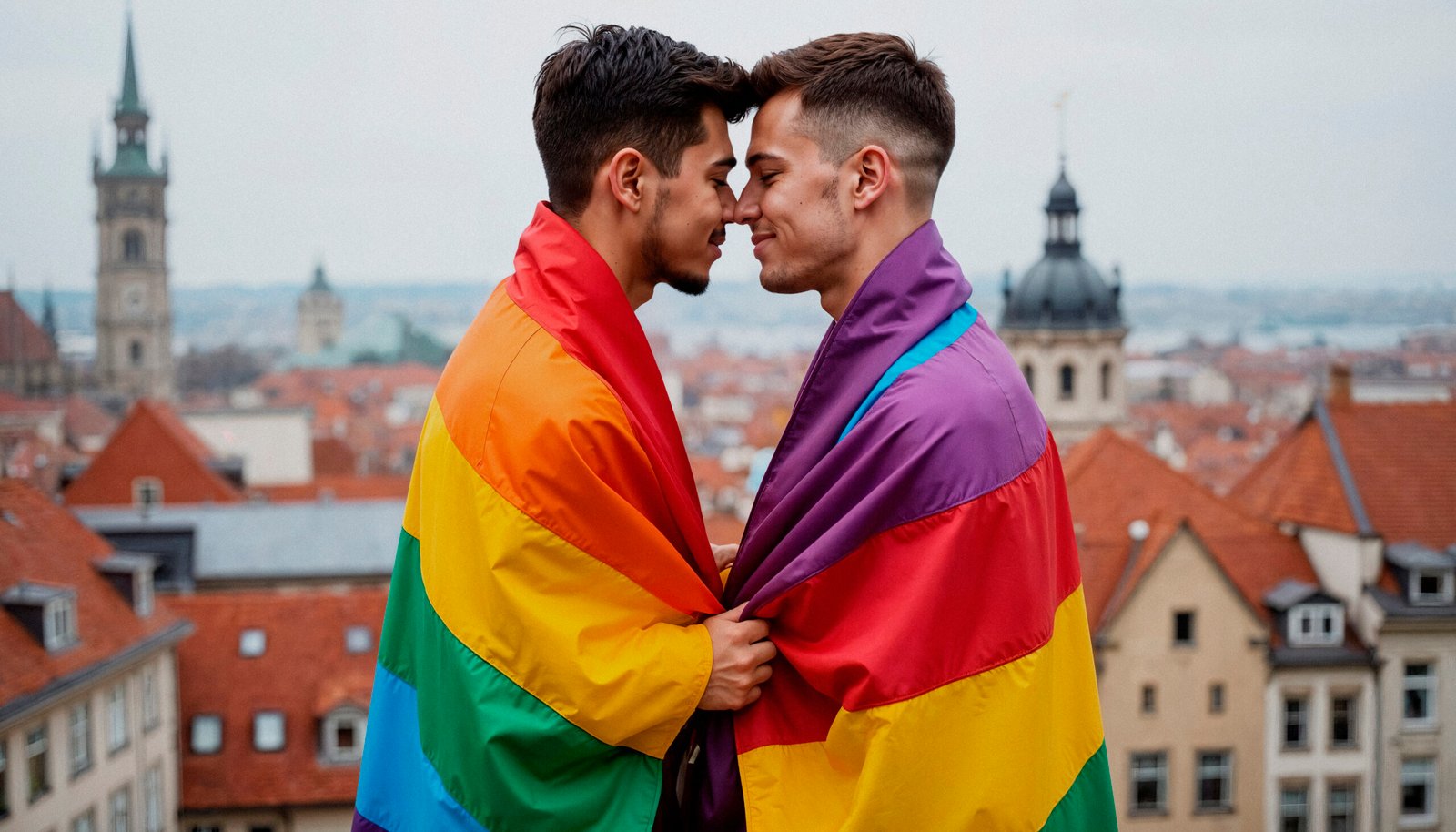
Bisexual is one of the most discussed and often misunderstood sexual orientations. Many people have questions about what is bisexuality, how it differs from other orientations, and what signs might indicate someone identifies this way. Understanding bisexuality is important for creating a more inclusive and respectful society where everyone can explore and express their identity comfortably.
In simple terms, the meaning refers to the capacity to feel romantic or sexual attraction toward more than one gender. This attraction does not always have to be equal or occur simultaneously. A bisexual person may feel attraction toward males and females, or toward multiple genders, depending on their personal experiences and identity.
What Is Bisexuality?
To fully understand what bisexuality is, it helps to look at how the term is used today. Traditionally, bisexuality was defined as attraction to both males and females. However, modern interpretations recognize that gender is not limited to just two categories. Because of this, many people now describe bisexuality as attraction to more than one gender.
Bisexual people may experience attraction in different ways. Some may prefer one gender more often, while others feel attraction equally. For some individuals, attraction can evolve, influenced by emotional connection, personality, and life experiences.
Bisexuality is part of the broader LGBTQ+ spectrum and has been recognized for decades. Many communities celebrate bisexuality visibility through symbols like the bisexual flag and the bisexual pride flag, which feature pink, purple, and blue stripes representing attraction across genders.
Understanding Male Bisexuality
Male bisexuality refers specifically to men who experience attraction toward more than one gender. Despite growing awareness, male bisexuality is often misunderstood due to stereotypes and social stigma.
Many bisexuality men report feeling pressure to “choose a side” or are sometimes incorrectly labeled as either gay or straight. In reality, bisexuality is its own valid identity and does not require a person to fit into another category.
The experiences of bisexual men can vary widely. Some may have relationships with both males and females during their lives, while others may explore their identity gradually as they gain a better understanding of their feelings.
Signs of Male Bisexuality
No checklist determines someone’s orientation, but some people wonder about signs of male bisexuality when trying to understand their feelings.
Common indicators may include:
-
Feeling emotional or physical attraction to both males and females
-
Being curious about relationships with different genders
-
Appreciating romantic or aesthetic qualities in more than one gender
-
Feeling comfortable imagining relationships across genders
These signs do not confirm bisexuality on their own. Sexual orientation is personal and self-identified, meaning only the individual can determine how they identify.
Symptoms of Bisexuality in Females
Sometimes people search for symptoms of bisexuality in females, but it is important to clarify that bisexuality is not a medical condition and therefore does not have symptoms.
Instead, women who identify as bisexual may share experiences such as:
-
Feeling romantic attraction toward both males and females
-
Being open to relationships with more than one gender
-
Experiencing emotional connections across gender identities
-
Identifying with the bisexual community or culture
Like men, bisexual women may discover their orientation over time. Personal exploration, relationships, and emotional connections can all play a role in understanding identity.
Pansexual vs Bisexual: Understanding the Difference
Another common topic of discussion is pansexual vs bisexual or pan sexuality vs bisexuality. While the two orientations share similarities, there are subtle differences.
Bisexuality generally refers to attraction toward more than one gender.
Pansexuality refers to attraction to people regardless of gender.
In the pansexual vs bisexual conversation, many people explain it this way:
-
Bisexual: attraction to multiple genders
-
Pansexual: experiencing attraction without gender influencing it.
Both identities are valid and often overlap in how people experience attraction. The important point is that individuals choose the label that best represents their feelings and identity.
Bisexual Culture and Representation
Bisexual identity has its own culture, history, and community spaces. The bisexual pride flag and bisexual flag are powerful symbols used during LGBTQ+ events and pride celebrations. These flags help increase visibility and remind people that bisexual individuals are an important part of the community.
Online spaces and forums sometimes use terms like bisexual playground to describe communities where people can openly discuss their identity, relationships, and experiences. These environments can be helpful for individuals who are exploring their orientation and want to connect with others who share similar experiences.
Media and Online Content
On the internet, people may encounter search terms such as bisexual porn, bisexual porntubes, bisexual threesome, or bisexual orgy. These terms usually refer to adult entertainment categories.
However, it is important to understand that sexual orientation is not defined by adult media. bisexuality identity is about emotional, romantic, and sexual attraction in real life, not simply what someone watches online.
Media representations often oversimplify or exaggerate bisexuality experiences, which can lead to stereotypes. In reality, bisexual people form meaningful relationships, friendships, and communities just like anyone else.
Why Understanding Bisexuality Matters
Learning about bisexuality helps reduce misconceptions and stigma. Many bisexual individuals face unique challenges, such as misunderstanding from both heterosexual and LGBTQ+ communities.
Increasing awareness about bisexual meaning, identity, and experiences of bisexuality allows society to become more inclusive. Respecting how individuals identify also promotes healthier conversations about relationships, attraction, and personal identity.
When people understand that sexuality exists on a spectrum, it becomes easier to accept diversity and support those exploring who they are.
FAQs
1. What is bisexuality?
Bisexuality is a sexual orientation where a person feels romantic or sexual attraction toward more than one gender. The level and type of attraction can vary from person to person.
2. What are the signs of male bisexuality?
Some possible signs of male bisexuality include feeling attraction toward both males and females, curiosity about relationships with different genders, and emotional connections across genders.
3. Is bisexuality the same as pansexuality?
No. In the pansexual vs bisexual discussion, bisexuality usually refers to attraction to more than one gender, while pansexuality means attraction regardless of gender.
4. Are there symptoms of bisexuality in females?
There are no medical symptoms of bisexuality in females because bisexuality is not a condition. Instead, women may recognize their orientation through their attractions and relationships.
5. What does the bisexual pride flag represent?
The bisexual pride flag consists of pink, purple, and blue stripes. Pink represents attraction to the same gender, blue represents attraction to different genders, and purple represents the overlap between them.


No Comments