
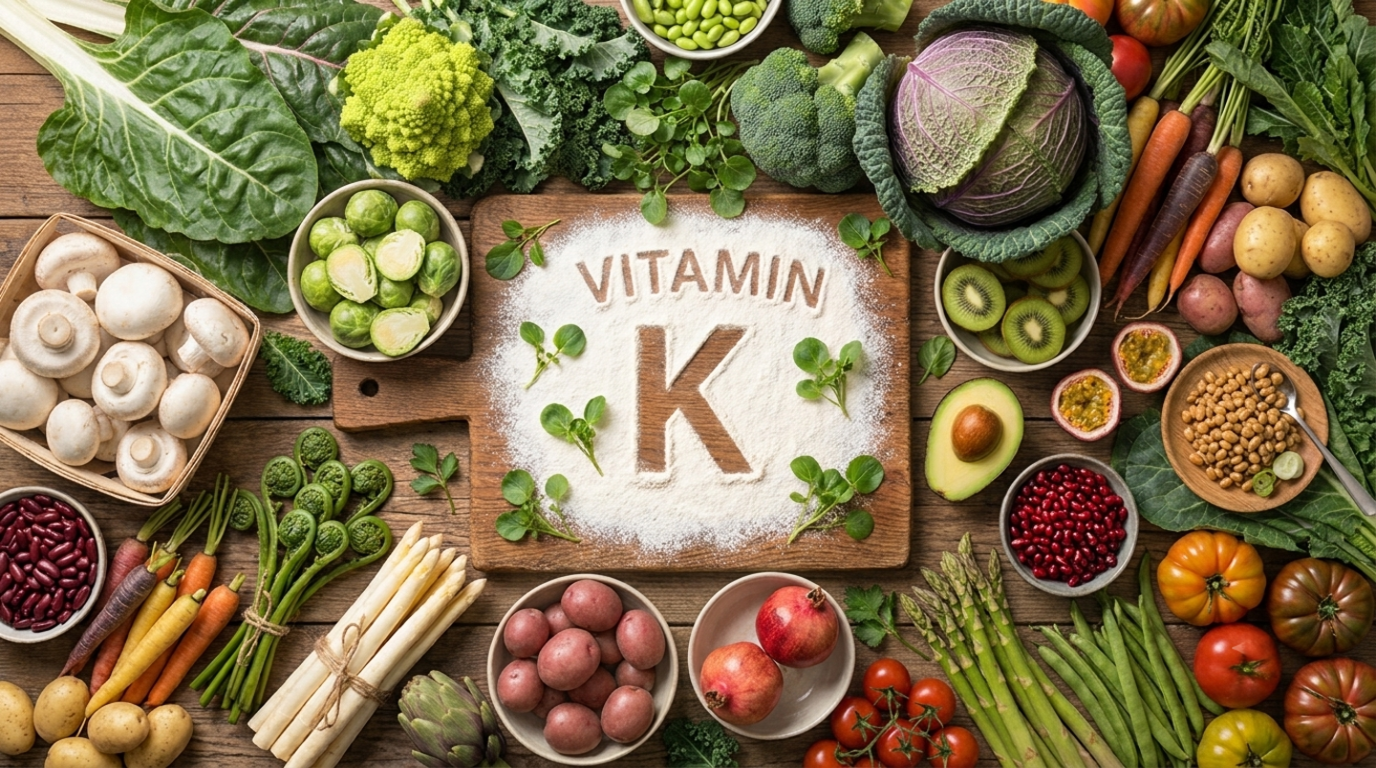
Choosing the right foods can help you get essential nutrients without making your meals complicated. Vitamin K Rich Food is an important part of a balanced diet because vitamin K supports normal blood clotting and helps maintain healthy bones. From leafy green vegetables to certain fermented foods, several everyday options can provide this nutrient. Let’s Explore
Why Is Vitamin K Important for Your Body?
Vitamin K is a fat-soluble vitamin that helps the body carry out important functions, including normal blood clotting and maintaining strong bones. Your body uses it to activate proteins involved in blood clotting and bone metabolism.
While understanding nutrients is important for overall wellness, learning about health conditions such as the symptoms of chikungunya can also help readers build broader health awareness.
Here are some important vitamin K benefits:
-
Supports blood clotting: Helps activate proteins that allow blood to clot normally.
-
Maintains bone health: Supports proteins involved in bone mineralization.
-
Supports normal body functions: Helps maintain the activity of certain proteins in different tissues.
-
Contributes to overall wellness: Adequate intake helps support normal bone and blood-related functions.
Getting enough vitamin K through a varied diet is one practical way to meet your nutritional needs.
Which Foods Are Rich in Vitamin K?
Many leafy greens provide vitamin K1, while fermented foods are important sources of vitamin K2. You can also explore vitamin B12 foods to diversify your diet.
Consider adding these options to your meals:
-
Kale: One of the most concentrated vegetable sources of vitamin K1.
-
Spinach: A versatile leafy green that works well in salads, curries, and cooked dishes.
-
Collard greens: A leafy vegetable that provides substantial amounts of vitamin K.
-
Broccoli: Offers vitamin K alongside fibre and other essential nutrients.
-
Brussels sprouts: A useful vegetable source of vitamin K and other micronutrients.
-
Cabbage: An accessible option for everyday meals.
-
Parsley: A vitamin K-rich herb that can be added to soups, salads, and other dishes.
-
Soybeans and fermented soy foods: Some varieties provide vitamin K, particularly vitamin K2 in fermented products.
-
Natto: A fermented soybean food known for its exceptionally high vitamin K2 content.
-
Egg yolks and certain cheeses: Provide smaller, variable amounts of vitamin K2.
These examples of food rich vitamin K show that you can obtain this nutrient from different food groups rather than relying on a single ingredient.
How Much Vitamin K Do Different Foods Contain?
The amount of vitamin K varies considerably depending on the food, serving size, preparation method, and variety. Leafy greens generally provide substantial amounts of vitamin K1, while natto is particularly rich in vitamin K2.
The estimated values below show how much vitamin K different foods can provide.
| Food | Approximate vitamin K per 100 g |
|---|---|
| Kale, raw | 390–400 mcg |
| Spinach, raw | 480 mcg |
| Broccoli, raw | 100 mcg |
| Brussels sprouts, raw | 175 mcg |
| Green cabbage, raw | 75 mcg |
| Natto | 900–1,100 mcg |
Actual amounts may differ depending on the food variety and preparation method. Natto values are especially variable.
This comparison shows why leafy greens are among the most useful vitamin K sources in food. However, the highest amount per 100 grams does not automatically make a food the best choice for everyone. Portion size, availability, preferences, and overall dietary variety also matter.
Vitamin K1 vs. K2: What Is the Difference?
Vitamin K mainly occurs in two forms: vitamin K1 and vitamin K2. Both are important, but they differ in their common food sources and how they are distributed in the diet.
Vitamin K1
Vitamin K1, known as phylloquinone, is present mainly in leafy green vegetables and other plant-based foods.
Common sources include:
-
Spinach and kale
-
Broccoli and cabbage
-
Lettuce and other leafy greens
-
Parsley and selected green vegetables
These foods make it easier to obtain vitamin K through everyday meals.
Vitamin K2
Vitamin K2 includes several related compounds known as menaquinones. They occur in some fermented foods and animal-derived products.
Examples of vitamin K2 foods include:
-
Natto and certain fermented soy products
-
Some aged cheeses
-
Egg yolks
-
Certain meat and dairy products
The amount depends on the food and its production process. The term vitamin K2 benefits often appears in nutrition discussions because this form is involved in proteins associated with bone and other tissue functions. However, vitamin K1 and K2 should not be treated as interchangeable food sources in every nutritional comparison.
How Much Vitamin K Do You Need Daily?
Your daily vitamin K requirement depends on factors such as age and life stage. As a general reference, the US National Academies’ adequate intake for adults is:
-
Adult men: 120 micrograms (mcg) per day
-
Adult women: 90 mcg per day
These figures are reference values, not universal requirements for every individual. Recommendations may differ between countries and for particular life stages.
A varied diet containing leafy greens and other nutrient-rich foods can help you meet your daily needs. You do not need to eat every food on the list each day.
How Can You Include More Vitamin K in Your Diet?
Adding food rich with vitamin K to your daily routine can be simple. Small changes to familiar meals are often easier to maintain than completely changing your eating habits.
Try these practical ideas:
-
Add spinach or kale to vegetable dishes.
-
Include broccoli or Brussels sprouts with lunch or dinner.
-
Sprinkle fresh parsley over soups and salads.
-
Combine leafy greens with healthy sources of dietary fat, such as olive oil.
-
Rotate different vegetables throughout the week.
-
Include fermented foods that suit your preferences.
Eggs can also add variety to your meals and provide protein and other essential nutrients. Learn more about egg nutrition and health benefits when planning balanced meals.
Eating a variety of foods is more beneficial than concentrating on one nutrient alone. If your meals contain few sources of vitamin K, try including more vegetables and other nutrient-rich options.
Conclusion
Adding different vitamin K-rich foods to your daily meals can help meet your nutritional needs. Spinach, kale, broccoli, and cabbage supply vitamin K1, while natto and some fermented and animal-based foods contain vitamin K2. Including these options in a varied diet helps support normal blood clotting, healthy bones, and overall well-being.
Frequently Asked Questions About Vitamin K Foods
1. Which food contains the most vitamin K?
Natto, made from fermented soybeans, is an especially rich source of vitamin K2. Among commonly eaten vegetables, spinach and kale are excellent sources of vitamin K1.
2. Which vegetables are rich in vitamin K?
Spinach, kale, collard greens, broccoli, Brussels sprouts, and cabbage are all valuable sources of vitamin K.
3. Are eggs a good source of vitamin K2?
Egg yolks provide some vitamin K2, although the amount varies and is generally lower than that found in natto.
4. What are the main vitamin K sources in food?
Major sources include leafy green vegetables, other selected vegetables, fermented soy products, certain cheeses, egg yolks, and some meats.
5. Can fruits provide vitamin K?
Yes, fruits such as kiwifruit, grapes, and blueberries contain vitamin K, although they generally provide less per serving than leafy green vegetables.
References:
- https://health.clevelandclinic.org/foods-high-in-vitamin-k
- https://ods.od.nih.gov/factsheets/VitaminK-HealthProfessional/


No Comments