
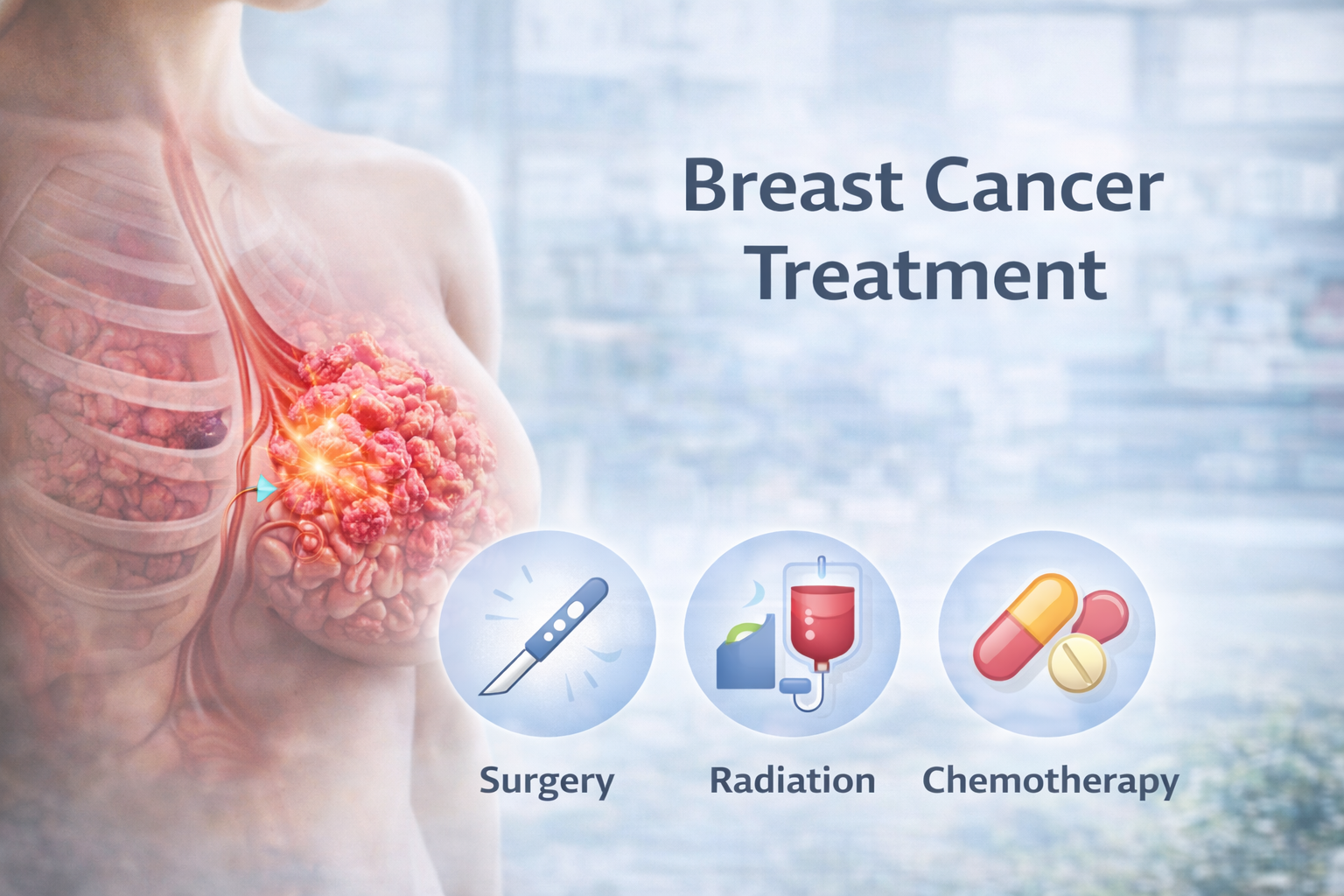
Breast cancer is one of the most common cancers affecting women worldwide, though it can also occur in men. Early detection and effective treatment are crucial for improving survival and quality of life.
Understanding the various cancer treatment options, their benefits, and potential side effects can help patients and families make informed decisions.
Treatment plans vary depending on the type, stage, and severity of cancer, as well as the patient’s overall health and preferences. Modern approaches often combine multiple therapies to maximize effectiveness.
Understanding Breast Cancer
Breast cancer occurs when abnormal cells in the breast multiply uncontrollably, forming tumors that may be benign (non-cancerous) or malignant (cancerous). Malignant tumors have the potential to invade nearby tissues or spread to other parts of the body.
Breast cancer symptoms on breast may include a lump, thickening, changes in size or shape, nipple discharge, or skin changes. Recognizing these signs early can lead to timely diagnosis and treatment.
Etiology for breast cancer refers to the causes and risk factors associated with the disease. While the exact cause is not always known, several factors increase the likelihood of developing breast cancer, including age, family history, genetic mutations (such as BRCA1 and BRCA2), hormonal influences, and lifestyle factors. Understanding breast cancer helps in prevention and early intervention.
Common Breast Cancer Treatment Options
Breast cancer treatment typically involves one or more of the following approaches:
1. Surgery
Surgery is often the first step in treatment, especially for localized tumors. The two main types are:
-
Lumpectomy: Removal of the tumor and a small margin of surrounding tissue. This is often combined with radiation therapy.
-
Mastectomy: Removal of one or both breasts, partially or completely, depending on the extent of cancer.
Surgery may include removing lymph nodes to check whether the cancer has spread.
2. Radiation Therapy
Radiation therapy uses high-energy rays to destroy cancer cells and prevent recurrence. It is commonly used after surgery, especially following a lumpectomy, to target residual cancer cells in the breast area.
Radiation therapy is a critical component of breast cancer therapy and may reduce the risk of local recurrence.
3. Chemotherapy
Chemotherapy uses medication to target and destroy rapidly dividing cancer cells throughout the body. It is often recommended for more aggressive or advanced cancers. Chemotherapy can be administered:
-
Neoadjuvant (before surgery): To shrink tumors and make surgery easier.
-
Adjuvant (after surgery): To destroy remaining cancer cells and reduce recurrence risk.
Common side effects include hair loss, fatigue, nausea, and increased susceptibility to infections. Supportive care is essential during chemotherapy.
4. Hormone Therapy
Some breast cancers are hormone receptor-positive, meaning they grow in response to estrogen or progesterone. Hormone therapy helps block these hormones, slowing or stopping tumor growth.
Medications such as tamoxifen or aromatase inhibitors are often used for long-term treatment, particularly in postmenopausal women.
5. Targeted Therapy
Targeted therapies focus on specific molecules or pathways that help cancer cells grow. For example, HER2-positive breast cancer may be treated with drugs like trastuzumab, which targets the HER2 protein.
Targeted therapy is often combined with chemotherapy or hormone therapy to increase effectiveness while minimizing damage to healthy cells.
6. Immunotherapy
Immunotherapy boosts the immune system, helping it identify and attack cancer cells. While still a developing area in breast cancer treatment, it shows promise for certain aggressive or advanced cancers.
Lifestyle and Supportive Care
Alongside medical treatment, lifestyle adjustments can improve outcomes and overall well-being:
-
Nutrition: A balanced diet rich in fruits, vegetables, lean proteins, and whole grains supports recovery.
-
Exercise: Regular physical activity helps maintain strength, reduce fatigue, and improve mood.
-
Emotional Support: Counseling, support groups, and family support help cope with stress and anxiety.
-
Regular Monitoring: Follow-up appointments and screenings ensure early detection of recurrence.
Choosing the Right Treatment
Selecting the best treatment plan requires collaboration between patients and their healthcare team. Factors influencing decisions include:
-
Cancer type and stage
-
Age and overall health
-
Hormone receptor and genetic status
-
Personal preferences and lifestyle
Many patients benefit from a multidisciplinary approach, combining surgery, chemotherapy, radiation, and other therapies for optimal outcomes.
Advances in Breast Cancer Treatment
Recent advances in breast cancer treatment include personalized medicine, genetic testing, and minimally invasive surgical techniques. These innovations allow doctors to tailor therapy based on tumor characteristics and patient genetics, improving effectiveness and reducing side effects.
Conclusion
Breast cancer treatment has evolved significantly, offering multiple options for patients at different stages of the disease. Early detection, a combination of medical therapies, and supportive care are key to improving survival and quality of life.
Understanding the different breast cancer treatment methods, along with lifestyle support, empowers patients to take an active role in their recovery.
By combining medical care with proper nutrition, exercise, and emotional support, patients can navigate breast cancer treatment more effectively and with greater confidence.
FAQs
1. What are the common breast cancer symptoms?
Common symptoms include a lump or thickening in the breast, changes in breast size or shape, nipple discharge, and skin changes such as dimpling or redness.
2. What is the etiology of breast cancer?
Breast cancer can develop due to a combination of genetic, hormonal, environmental, and lifestyle factors. Family history and gene mutations like BRCA1 or BRCA2 increase risk.
3. What are the main types of breast cancer treatment?
Treatment options include surgery, radiation therapy, chemotherapy, hormone therapy, targeted therapy, and immunotherapy. The treatment plan varies based on the cancer’s type, stage, and the patient’s overall health.
4. How do lifestyle changes support breast cancer therapy?
Healthy habits such as eating well, exercising regularly, managing stress, and seeking emotional support can speed recovery, lessen side effects, and improve quality of life.
Reference
https://www.cancer.org/cancer/types/breast-cancer/treatment.html3
https://www.cancer.gov/types/breast/treatment
https://www.mayoclinic.org/diseases-conditions/breast-cancer/diagnosis-treatment/drc-20352475
0 200


1 Comment