
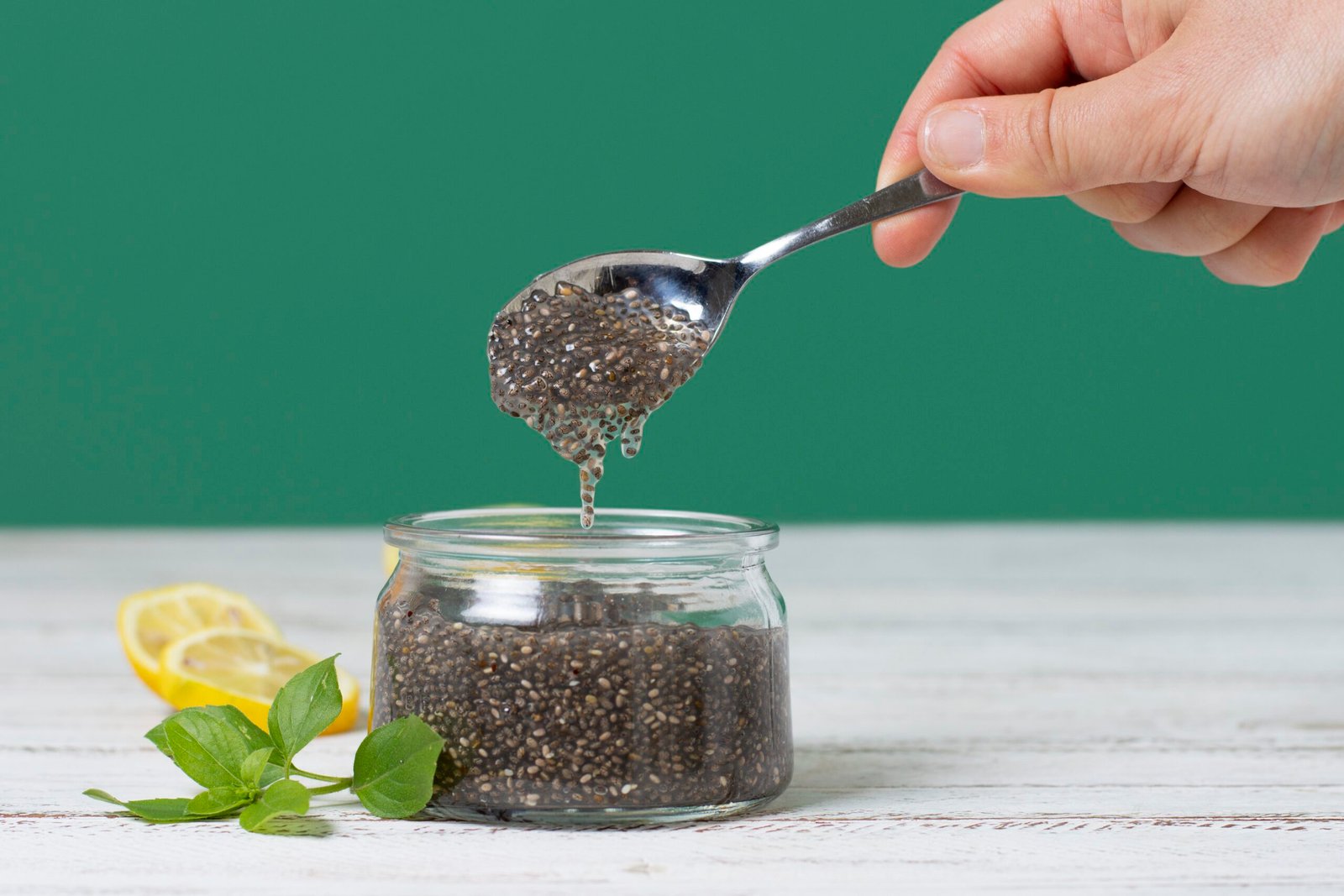
Chia seeds’ benefits have earned a reputation as one of the world’s most nutritious superfoods. Despite their tiny size, these seeds are packed with essential nutrients, fiber, healthy fats, protein, vitamins, and minerals that support overall wellness. Whether you want to improve digestion, maintain heart health, boost energy levels, or simply add more nutrient-rich foods to your diet, chia seeds are an excellent choice.
What Are Chia Seeds?
Chia seeds originate from Salvia hispanica, a plant that has its roots in Central America. These tiny black or white seeds have been consumed for centuries because they provide long-lasting energy and valuable nutrients.
Today, chia seeds are popular among health-conscious individuals because they are naturally gluten-free, easy to prepare, and highly versatile. They absorb water quickly and form a gel-like texture, making them perfect for puddings, smoothies, yogurt, oatmeal, and baked goods.
Chia Seeds Nutrition Benefits
One of the biggest reasons people consume chia seeds is their impressive nutrient profile. The chia seeds nutrition benefits include a combination of fiber, plant-based protein, omega-3 fatty acids, antioxidants, calcium, magnesium, phosphorus, iron, and zinc.
If you’re wondering chia seeds are good for what, the answer is simple—they support multiple aspects of health while providing important nutrients with relatively few calories.
The chia seeds food value makes them a smart addition to balanced eating plans because they offer sustained energy and help increase overall nutrient intake.
Nutrition in Chia Seeds
Understanding the nutrition in chia seeds helps explain why they are considered a superfood.
A typical serving contains:
- Dietary fiber
- Plant protein
- Omega-3 fatty acids
- Calcium
- Magnesium
- Phosphorus
- Iron
- Potassium
- Zinc
- Antioxidants
The nutritional value for chia seeds is especially impressive because they deliver several essential nutrients in a very small serving.
When discussing the nutritional content chia seeds provide, experts often highlight their high fiber and omega-3 content, both of which play important roles in overall health.
Even a small serving contributes valuable nutrients. For example, 1 teaspoon chia seeds nutrition includes fiber, healthy fats, minerals, and a modest amount of protein, making it easy to increase nutrient intake throughout the day.
Health Benefits of Chia Seeds
The health benefits of chia seeds extend to many areas of wellness. Regular consumption, combined with a healthy lifestyle, may support overall health in several ways.
1. Supports Digestive Health
Chia seeds are rich in dietary fiber, which promotes healthy digestion and supports regular bowel movements. The gel formed when chia seeds absorb water also helps soften stool and encourages healthy gut function.
Fiber also nourishes beneficial gut bacteria, contributing to improved digestive health.
Does Chia Seeds Help With Weight Loss?
Many people ask, does chia seeds help with weight loss?
Chia seeds may support weight management because their high fiber content promotes fullness and may reduce hunger between meals. The combination of fiber and protein can help people feel satisfied for longer, making it easier to avoid unnecessary snacking.
They work best as part of a calorie-controlled diet combined with regular physical activity. Some people also use chia seeds for fat loss strategies by adding chia seeds to balanced breakfasts or snacks to improve satiety.
Supports Heart Health
Among the most recognized chia health benefits is their positive effect on cardiovascular wellness.
Chia seeds contain plant-based omega-3 fatty acids, fiber, and antioxidants that support healthy cholesterol levels already within the normal range. These nutrients also contribute to healthy blood vessel function and overall heart health when consumed as part of a balanced diet.
Helps Maintain Healthy Blood Sugar
The soluble fiber found in chia seeds slows digestion and the absorption of carbohydrates. This may help prevent sharp increases in blood sugar levels after eating.
Although chia seeds can be part of a healthy eating plan, people with diabetes should continue following medical advice and prescribed treatments.
Provides Long-Lasting Energy
Chia seeds contain carbohydrates, protein, healthy fats, and minerals that work together to provide sustained energy throughout the day.
Many athletes and active individuals include chia seeds in smoothies, breakfast bowls, or snacks before workouts to support endurance and recovery.
Supports Bone Health
Calcium, magnesium, phosphorus, and protein are essential nutrients for strong bones.
Because chia seeds naturally contain these nutrients, they can contribute to bone health when included in a balanced diet alongside other calcium-rich foods.
Rich in Antioxidants
The health benefits of chia also include antioxidant protection.
Antioxidants help defend the body’s cells against damage caused by harmful free radicals. Including antioxidant-rich foods in your diet may help support healthy aging and overall well-being.
Easy Methods to Add Chia Seeds to Your Daily Diet
One reason for the growing popularity of chia seeds is how easy they are to use.
Try adding them to:
- Smoothies
- Yogurt
- Oatmeal
- Breakfast cereals
- Salads
- Homemade energy bars
- Soups
- Baking recipes
- Overnight oats
- Chia pudding
Because chia seeds absorb several times their weight in water, it’s important to drink enough fluids when consuming them.
Daily Serving Recommendations
Most adults can safely consume 1–2 tablespoons of chia seeds daily as part of a balanced diet.
If you’re new to chia seeds, begin with a smaller serving and gradually increase your intake. This allows your digestive system to gradually adapt to increased fiber intake.
Are There Any Side Effects?
Chia seeds are considered safe for most healthy adults when consumed appropriately.
However, eating large amounts without enough water may cause digestive discomfort, bloating, or constipation due to their high fiber content.
People with food allergies or those taking medications for blood thinning should consult a healthcare provider before making significant dietary changes.
Final Thoughts
The many chia seeds health benefits make these tiny seeds an excellent addition to a healthy lifestyle. From improving digestion and supporting heart health to providing valuable nutrients and promoting fullness, chia seeds offer numerous advantages without requiring major dietary changes.
Whether you’re looking to boost fiber intake, increase plant-based protein, or enjoy a convenient superfood, the chia seed health benefits make them worth considering. Overall, the benefits chia seeds provide can support better nutrition and long-term wellness. When eaten regularly as part of a balanced diet, you’ll discover chia seeds the benefits extend far beyond their small size, and the many advantages of chia seeds make them one of the easiest nutritious foods to include in everyday meals.
FAQs
1. Can I eat chia seeds every day?
Yes. Most healthy adults can safely consume 1–2 tablespoons daily as part of a balanced diet and adequate fluid intake.
2. Should chia seeds be eaten raw or soaked?
Both methods are acceptable. Soaking chia seeds creates a gel-like texture that many people find easier to digest and enjoy.
3. Are chia seeds good for vegetarians and vegans?
Yes. Chia seeds provide plant-based protein, omega-3 fatty acids, fiber, and several important minerals, making them an excellent choice for vegetarian and vegan diets.
4. What is the best time to eat chia seeds?
Chia seeds can be eaten at any time of the day. Many people add them to breakfast, smoothies, or snacks for sustained energy and fullness.
5. Can chia seeds replace other healthy foods?
No. Chia seeds are highly nutritious but should be part of a varied, balanced diet that includes fruits, vegetables, whole grains, lean proteins, and healthy fats for optimal health.
Reference
https://www.healthline.com/nutrition/11-proven-health-benefits-of-chia-seeds
https://www.webmd.com/diet/health-benefits-chia-seeds
0 200

No Comments