
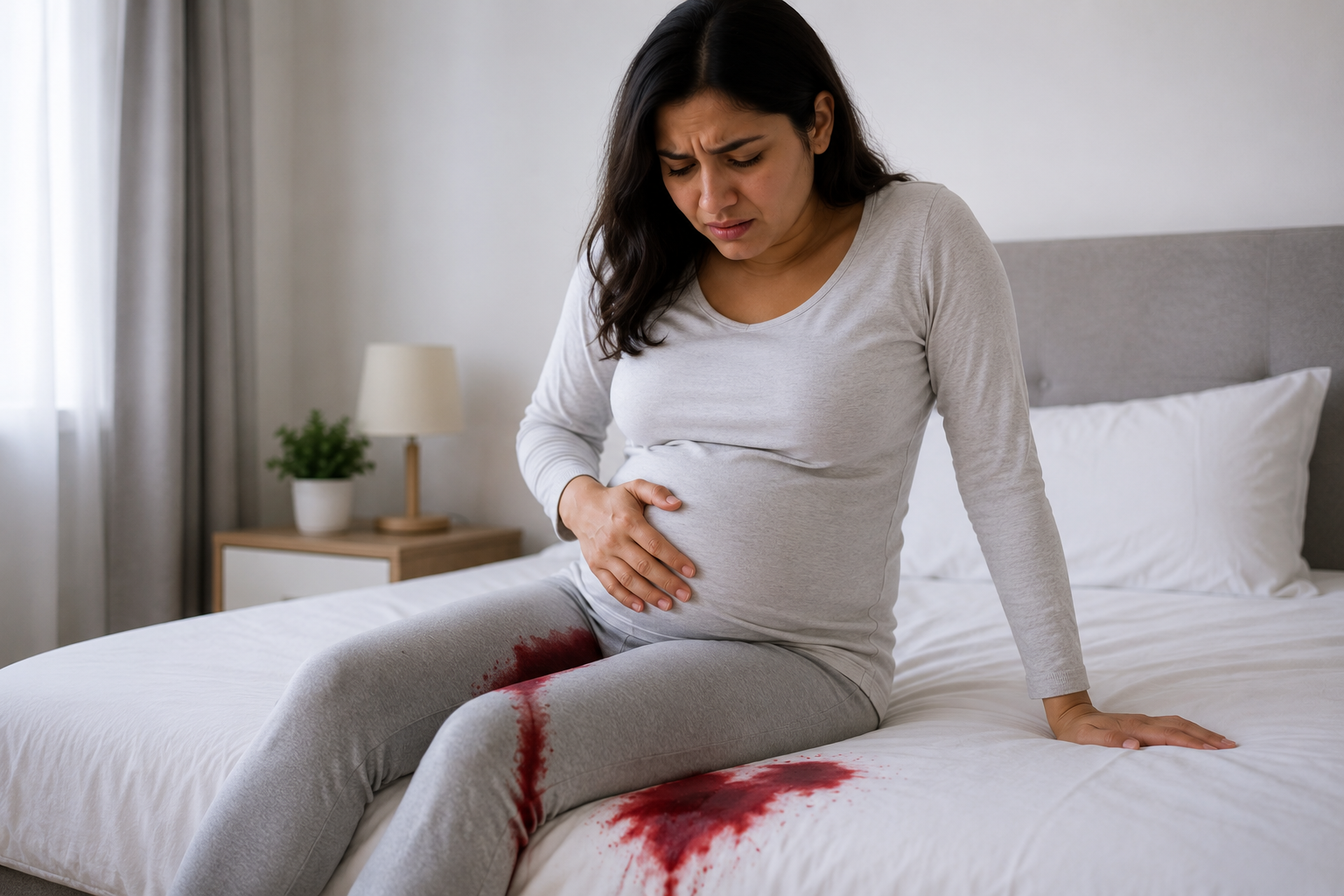
Bleeding in Pregnancy Early can be a worrying experience for many expecting mothers. While seeing blood during the first few weeks of pregnancy may cause fear, it does not always mean there is a serious problem. Some women experience mild bleeding or spotting due to normal changes happening in the body. However, understanding the possible causes and knowing when to contact a healthcare professional is important for protecting both mother and baby.
During early pregnancy, the body goes through many hormonal and physical changes. Increased blood flow to the reproductive organs, implantation of the fertilized egg, and changes in the cervix can sometimes lead to minor bleeding. Many women search for information about spot bleeding in pregnancy because they want to understand whether light bleeding is expected or requires medical attention.
Common Causes of Early Pregnancy Bleeding
There are several reasons why bleeding may occur during the first trimester. One common cause is implantation bleeding, which happens when the fertilized egg attaches itself to the lining of the uterus. This type of bleeding is usually light and may appear around the time a woman expects her period.
Another reason can be hormonal changes. Pregnancy hormones affect the cervix and vaginal tissues, making them softer and more sensitive. Activities such as sexual intercourse or a medical examination may sometimes cause slight bleeding.
In some cases, infections, cervical irritation, or other pregnancy-related conditions may also lead to bleeding. It is always recommended to discuss any unusual bleeding with a healthcare provider to determine the exact cause.
Early Pregnancy Bleeding: How Much Is Considered Normal?
Many women wonder how much bleeding is normal in early pregnancy. Generally, light spotting that appears as a few drops of blood or a small amount of discharge may not be harmful. It can be pink, brown, or light red in color and may stop within a short time.
However, heavy bleeding, passing blood clots, severe abdominal pain, dizziness in adults, or weakness should never be ignored. These symptoms may indicate a condition that needs immediate medical evaluation.
Is Bleeding OK in Early Pregnancy?
A common question among expecting mothers is is bleeding ok in early pregnancy. The answer depends on the amount, timing, and symptoms that occur with the bleeding. Mild spotting can happen in healthy pregnancies, but any bleeding should be monitored carefully.
For example, bleeding in early pregnancy 4 weeks may occur because of implantation or early hormonal changes. Some women may notice small amounts of blood before they even realize they are pregnant. Still, speaking with a healthcare provider can provide reassurance and guidance.
Understanding Light Bleeding During Pregnancy
Many women ask, is light bleeding normal in early pregnancy. Light bleeding or spotting can sometimes be normal, especially if there is no pain or other concerning symptom. The appearance of blood can also provide clues.
The color of bleeding in early pregnancy may vary. Brown blood often indicates older blood leaving the body, while pink or light red blood may be fresh blood. Bright red bleeding, especially when combined with pain or heavy flow, should be checked by a medical professional.
Cramping and Bleeding in Early Pregnancy
Some women experience cramping and bleeding in early pregnancy at the same time. Mild cramps similar to menstrual disorder discomfort can occur as the uterus begins adjusting to pregnancy. However, strong cramps, sharp pain, or persistent discomfort along with bleeding may require medical attention.
Every pregnancy is different, so symptoms should always be evaluated based on individual health conditions and pregnancy history.
Bleeding Around Six Weeks of Pregnancy
At around six weeks, pregnancy changes become more noticeable. Bleeding in pregnancy 6 weeks can occur for several reasons, including cervical changes or other early pregnancy complications.
If bleeding happens during this stage, tracking the amount, color, and duration can help a healthcare provider understand the situation better. Medical advice is especially important if bleeding increases or is accompanied by pain.
Other Types of Bleeding During Pregnancy
Pregnancy can also cause bleeding from areas other than the reproductive system. For example, gum bleeding in pregnancy is common because hormonal changes can make gums more sensitive and prone to swelling.
Similarly, nasal bleeding in pregnancy may happen because pregnancy increases blood circulation and can make the tiny blood vessels inside the nose more delicate. These types of bleeding are usually not dangerous but should be discussed with a doctor if they happen frequently or become severe.
When to Contact a Doctor
Seek medical advice if you experience:
- Heavy vaginal bleeding
- Severe abdominal or pelvic pain
- Passing large blood clots
- Fever or unusual discharge
- Dizziness or fainting
- Bleeding that continues or becomes worse
Regular prenatal care and open communication with a healthcare provider are important steps to ensure a safe pregnancy journey.
FAQs
1. What is spot bleeding in early pregnancy?
Spot bleeding in early pregnancy refers to light vaginal bleeding that usually involves only a small amount of blood. It may happen due to implantation, hormonal changes, or cervical sensitivity. However, any bleeding should be monitored and discussed with a healthcare provider if it continues.
2. Can bleeding happen during the first few weeks of pregnancy?
Yes, some women experience mild bleeding during the first few weeks. Causes may include implantation, hormonal changes, or irritation of sensitive tissues. The severity and accompanying symptoms determine whether medical evaluation is needed.
3. What does early pregnancy bleeding color mean?
The color of bleeding can vary. Brown blood often represents older blood, while pink or red blood may indicate fresh bleeding. The amount of blood and other symptoms are more important factors when evaluating pregnancy bleeding.
4. When should I worry about bleeding during pregnancy?
You should seek medical advice if bleeding is heavy, continues for a long time, or occurs with severe cramps, abdominal pain, dizziness, fever, or passing clots.
5. Can gum or nose bleeding occur during pregnancy?
Yes, hormonal changes can make gums and nasal tissues more sensitive, leading to gum bleeding in pregnancy or nasal bleeding in pregnancy. These are often mild but should be checked if they become frequent or severe.
Reference
https://my.clevelandclinic.org/health/symptoms/22044-bleeding-during-pregnancy
https://pmc.ncbi.nlm.nih.gov/articles/PMC4921709/
0 200
No Comments