
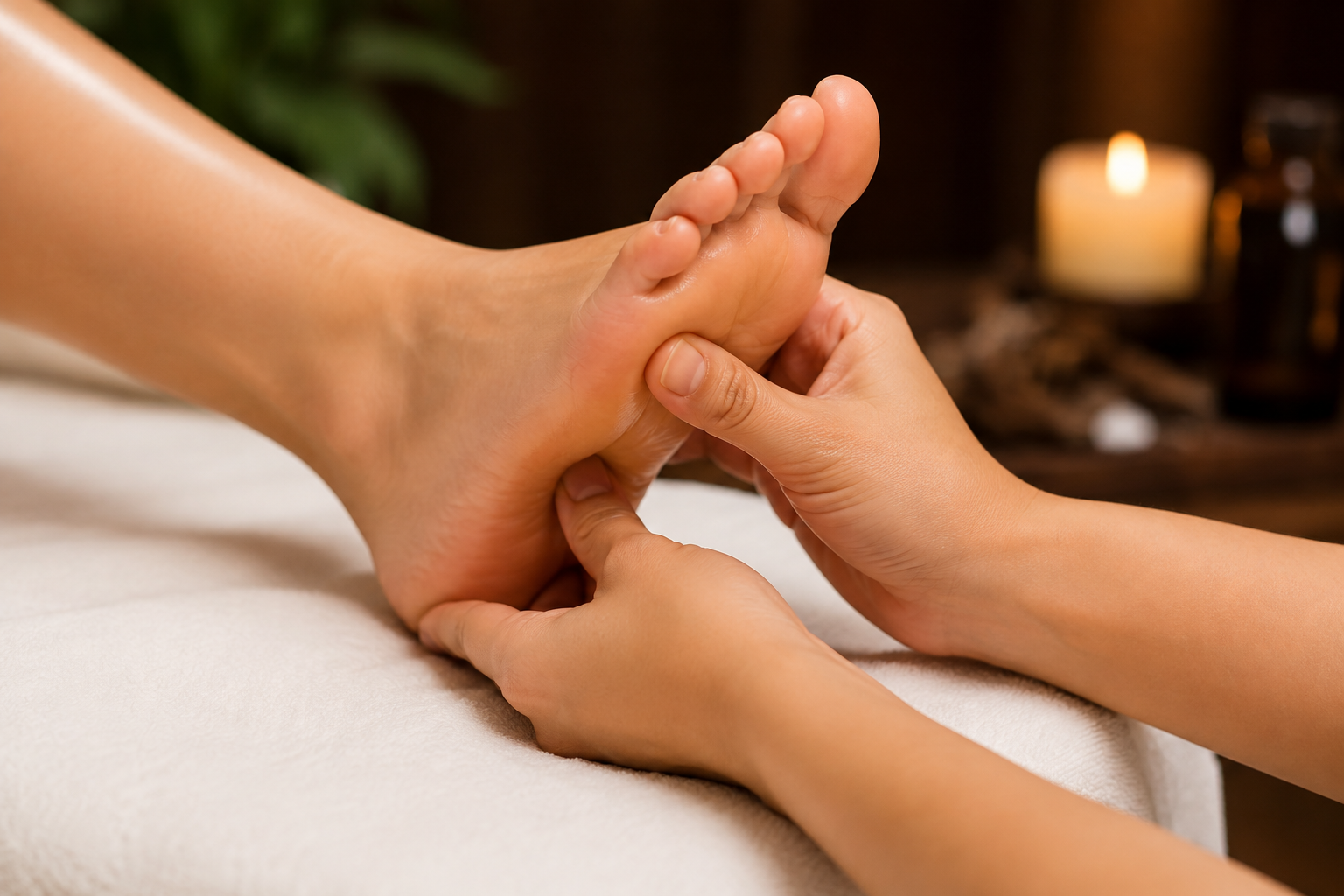
A foot reflexology chart is a visual guide that shows how different areas of the feet are traditionally associated with parts of the body. Reflexology is based on the idea that applying pressure to specific areas of the feet may promote relaxation and support overall well-being. Although reflexology should not be considered a replacement for medical treatment, many people enjoy it as a complementary relaxation technique.
Whether you are curious about foot reflexology therapy, want to learn about pressure points, or simply want to try a relaxing foot massage at home, understanding reflexology charts can help you get started.
What Is Foot Reflexology Chart?
So, what is foot reflexology chart? In simple terms, it is a map of the foot that divides different areas into reflex zones. Practitioners use these foot maps to identify traditional reflexology areas associated with regions of the body.
A typical chart may show areas associated with the head, neck, chest, abdomen, spine, digestive system, and lower body. The exact locations and interpretations can vary between reflexology systems.
It is important to remember that reflexology maps represent traditional practices rather than medically proven anatomical connections. Pressure on a reflexology point may feel relaxing, but it should not be used to diagnose or treat a medical condition.
Understanding Foot Reflexology Points
A foot reflexology point is a particular area of the foot that reflexology practitioners traditionally associate with another body region. During a session, gentle pressure may be applied using the thumb, fingers or specialized massage aroma techniques.
Commonly discussed areas include:
- Toes, traditionally associated with the head and neck
- The upper part of the foot, often linked with the chest area
- The middle of the sole, commonly associated with abdominal organs
- The inner edge of the foot, traditionally connected with the spine
- The heel, often associated with the pelvic and lower-body region
Pressure should generally be comfortable rather than painful. If a particular area feels unusually painful, stop or reduce pressure instead of attempting to force the massage.
Foot Reflexology Chart: Right Foot vs. Left Foot
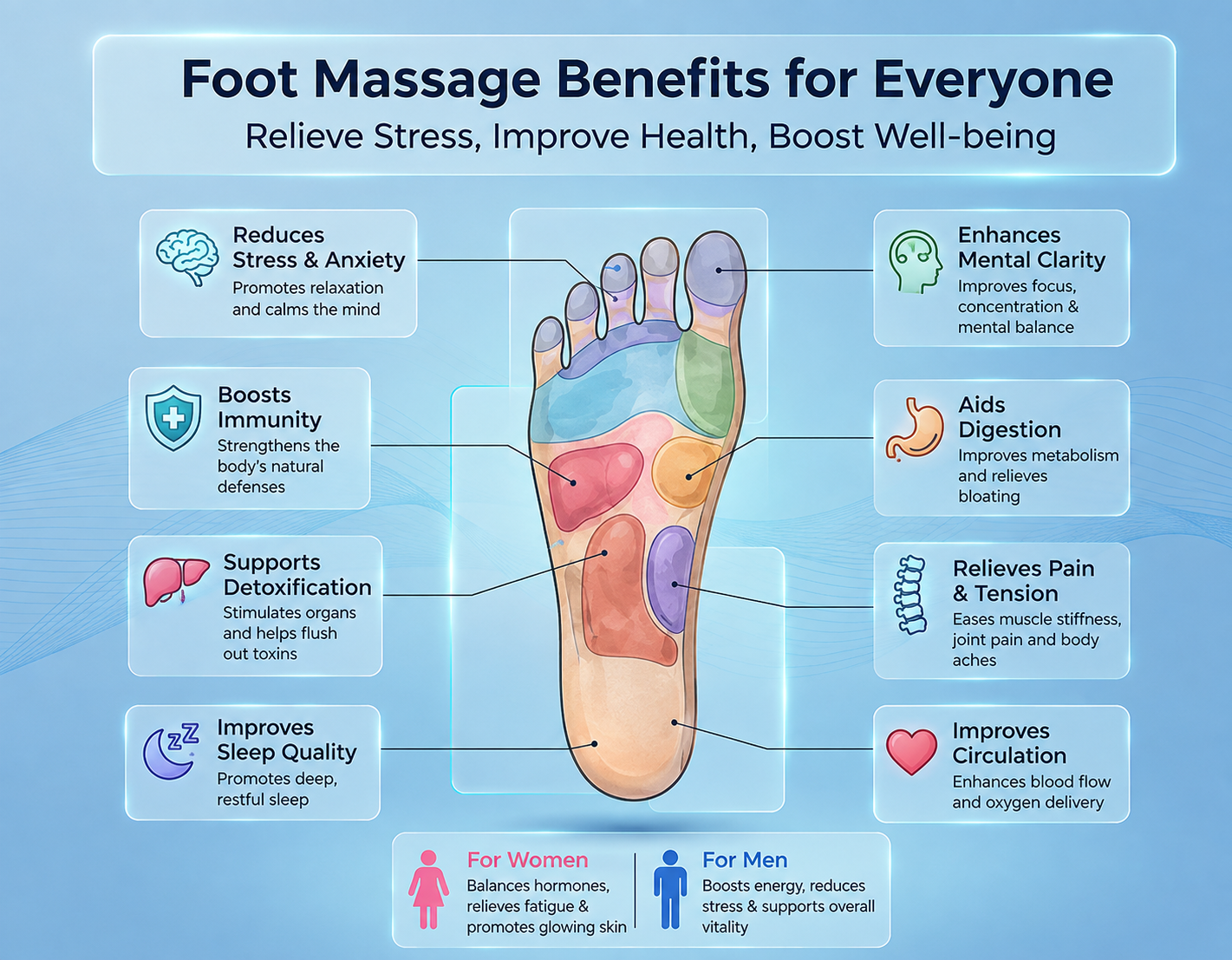
You may notice separate diagrams labeled foot reflexology chart right foot and foot reflexology chart left foot. Reflexology charts often distinguish between the two feet because practitioners traditionally associate certain areas differently.
However, there is no single universally accepted reflexology chart. Different schools and practitioners may use slightly different foot maps, so you may see variations in the location and labeling of individual points.
Female Foot Reflexology Chart
A female foot reflexology chart generally follows the same basic reflexology principles as other foot charts. Some charts may highlight areas traditionally associated with reproductive or hormonal systems.
If you are searching for a female foot massage pressure points with pictures, look for diagrams that clearly label the areas rather than relying on images that make unsupported medical claims.
Reflexology Foot Map for Men
A reflexology foot map male typically uses the same general zone-based approach as standard reflexology charts. Some diagrams may highlight areas traditionally associated with male reproductive organs or other body systems.
Whether you are male or female, a gentle massage can be a pleasant way to relax the feet after standing, walking or exercising.
Foot Reflexology Chart for Heel Pain
People often search for a foot reflexology chart heel pain because they want to understand which areas of the foot may be massaged when their heels feel uncomfortable.
Gentle foot massage may help some people relax tight muscles and temporarily improve the feeling of comfort. However, heel pain can have many causes, including plantar fasciitis, injuries, excessive activity, footwear problems and other conditions.
If heel pain is severe, persistent, associated with swelling or injury, or interferes with walking, it is better to seek professional medical advice rather than relying solely on reflexology.
Avoid applying aggressive pressure directly to a painful or injured area.
Reflexology Foot Therapy and Massage
Reflexology foot therapy is commonly performed by applying controlled pressure to different parts of the feet. A session may involve warming the feet, gentle stretching, thumb-walking techniques and pressure-point massage.
Similarly, foot therapy massage can focus on relaxation, muscle comfort and general foot care without necessarily following a formal reflexology chart.
You can also gently massage the toes, arch and heel. Keep the session comfortable and stop if you experience numbness, tingling or worsening pain.
Benefits and Limitations of Foot Reflexology
Potential benefits of massage-based relaxation may include:
- Promoting relaxation
- Reducing feelings of everyday tension
- Providing temporary foot comfort
- Supporting a relaxing bedtime routine
- Increasing awareness of foot tension
For that reason, foot reflexology therapy is best viewed as a complementary wellness practice rather than a substitute for appropriate medical care.
FAQs
1. What is a foot reflexology chart?
A foot reflexology chart is a visual map showing areas of the feet that reflexology traditions associate with different body regions. It is used as a guide during reflexology sessions and foot massage.
2. Are the right and left feet mapped differently?
Yes. Many traditional charts distinguish between the right and left feet and associate particular areas with different body regions. However, the exact maps can vary between reflexology systems.
3. Can reflexology help with heel pain?
Gentle massage may provide temporary relaxation or comfort, but reflexology should not be relied on to diagnose or treat the cause of heel pain.
4. Is a female foot reflexology chart different?
Some charts include areas traditionally associated with the female reproductive system, but the basic reflexology zone system is generally similar. These charts should not be used to diagnose or treat gynecological or hormonal conditions.
5. Can I perform foot reflexology at home?
Yes, many people practice gentle foot massage at home. Use comfortable pressure, avoid injured areas and stop if you experience significant pain, numbness or other unusual symptoms.
Reference
https://www.healthline.com/health/foot-reflexology-chart
https://pmc.ncbi.nlm.nih.gov/articles/PMC9819031/
0 200
No Comments