

Fibre and the glycemic index (GI) play an important role in digestion, energy balance, and overall health. Many people focus on calories or fat intake, but understanding what is GI and how fibre affects it can make a real difference in daily food choices. A diet rich in fibre and balanced GI foods supports gut health, steady blood sugar levels, and long-term wellbeing.
What Is GI and Why Does It Matter?
To understand how food affects the body, it’s helpful to know what the GI is. GI stands for glycemic index, a system that ranks carbohydrate-containing foods based on how quickly they raise blood glucose levels after eating.
-
Low GI foods lead to a slower and more gradual increase in blood sugar levels.
-
High GI foods lead to a quick and sharp rise in blood sugar levels.
The glycemic food meaning refers to how carbohydrates in food impact the blood sugar level. Choosing foods with a lower GI can help maintain steady energy levels and reduce sudden hunger.
What Is a GI Food?
Many people ask what is a GI food. A GI food is any fiber-rich food that has been tested and given a specific glycemic index value. Foods are generally classified as:
-
Low GI: Slow digestion and absorption
-
Medium GI: Moderate blood sugar response
-
High GI: Rapid blood sugar increase
Understanding what is a GI food is helps individuals make smarter food choices, especially for digestive health and blood sugar balance.
The Role of Fibre in Gut Health
Fibre is a form of carbohydrate that the body cannot completely break down or digest. Instead of being broken down, it passes through the digestive system, supporting gut function. There are two main types of fibre:
-
Soluble fibre, which helps slow digestion
-
Insoluble fibre, which supports regular bowel movements
A fibre-rich diet feeds beneficial gut bacteria, improves digestion, and supports overall digestive comfort.
How Fibre Affects the Glycemic Index
Fibre plays a key role in lowering the GI of foods. When fibre is present, digestion slows down, leading to a more gradual release of glucose into the bloodstream. This is why high fibre, low GI foods are especially beneficial.
High fibre, low GI meals help:
-
Prevent sharp blood sugar spikes
-
Improve satiety and fullness
-
Support consistent energy levels
-
Promote better digestive health
This connection between fibre and GI is essential for long-term metabolic balance.
Low-Glycemic-Index Foods to Include
Choosing low glycemic index foods is one of the best ways to support digestion and steady energy. These foods are often rich in fibre and nutrients.
Examples include:
-
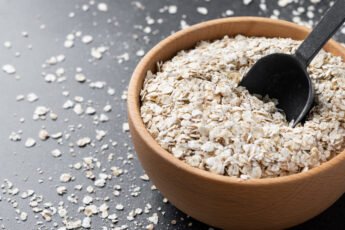
Oats and barley
-
Brown rice and quinoa
-
Lentils and beans
-
Apples, berries, and pears
-
Leafy greens and non-starchy vegetables
Including these foods regularly supports gut health and improves blood sugar control.
Food With High Glycemic Index
Understanding food with high glycemic index values is equally important. These foods are rapidly digested and can lead to sudden increases in blood sugar levels.
-
White bread and refined grains
-
Sugary cereals
-
Pastries and sweets
-
White rice
-
Sugary drinks
While these foods can be enjoyed occasionally, frequent consumption may lead to energy crashes and increased hunger.
What Does Low GI Mean for Daily Health?
Many people ask what low GI means in practical terms. Low GI foods digest slowly, providing sustained energy and better blood sugar balance throughout the day.
Benefits of low GI eating include:
-
Better appetite control
-
Improved gut function
-
Reduced cravings
-
More stable energy levels
Combining low GI foods with fibre further enhances these benefits.
How Much Fibre Should You Be Having?
Daily fibre needs vary, but general guidelines suggest:
-
Adults should aim to consume about 25–38 grams of fibre daily.
-
Most people consume less than the recommended amount
Increasing fibre intake gradually and drinking enough water helps avoid digestive discomfort. Prioritizing high fibre, low GI foods makes it easier to meet daily fibre goals.
Simple Tips to Increase Fibre and Lower GI
Making small changes can have a big impact:
-
Choose whole grains over refined grains
-
Add legumes to meals a few times per week
-
Include fruits and vegetables at every meal
-
Pair carbohydrates with protein and healthy fats
-
Avoid heavily processed foods
These habits support gut health and help maintain a balanced glycemic response.
Conclusion
Understanding fibre and the glycemic index can transform the way you approach nutrition. Knowing what GI is, identifying low-glycemic index foods, and limiting foods with high-glycemic index values support gut health and stable energy. A diet rich in high fibre low GI foods promotes better digestion, long-term health, and overall well-being without extreme dietary restrictions.
FAQs
1. What is GI in simple terms?
GI is a measure of how quickly a food raises blood sugar after eating.
2. What does low GI mean?
Low GI means the food causes a slow and steady rise in blood glucose.
3. What is a GI food?
A GI food is any carbohydrate-containing food classified by its glycemic index value.
4. What are examples of low glycemic index foods?
Whole grains, legumes, vegetables, and most fruits are low glycemic index foods.
5. Why are high fibre, low GI foods important?
They support digestion, steady energy levels, and balanced blood sugar.
Reference
https://www.sciencedirect.com/science/article/abs/pii/S0002916522044744
https://pmc.ncbi.nlm.nih.gov/articles/PMC3608853/
https://medlineplus.gov/ency/patientinstructions/000941.htm

No Comments