
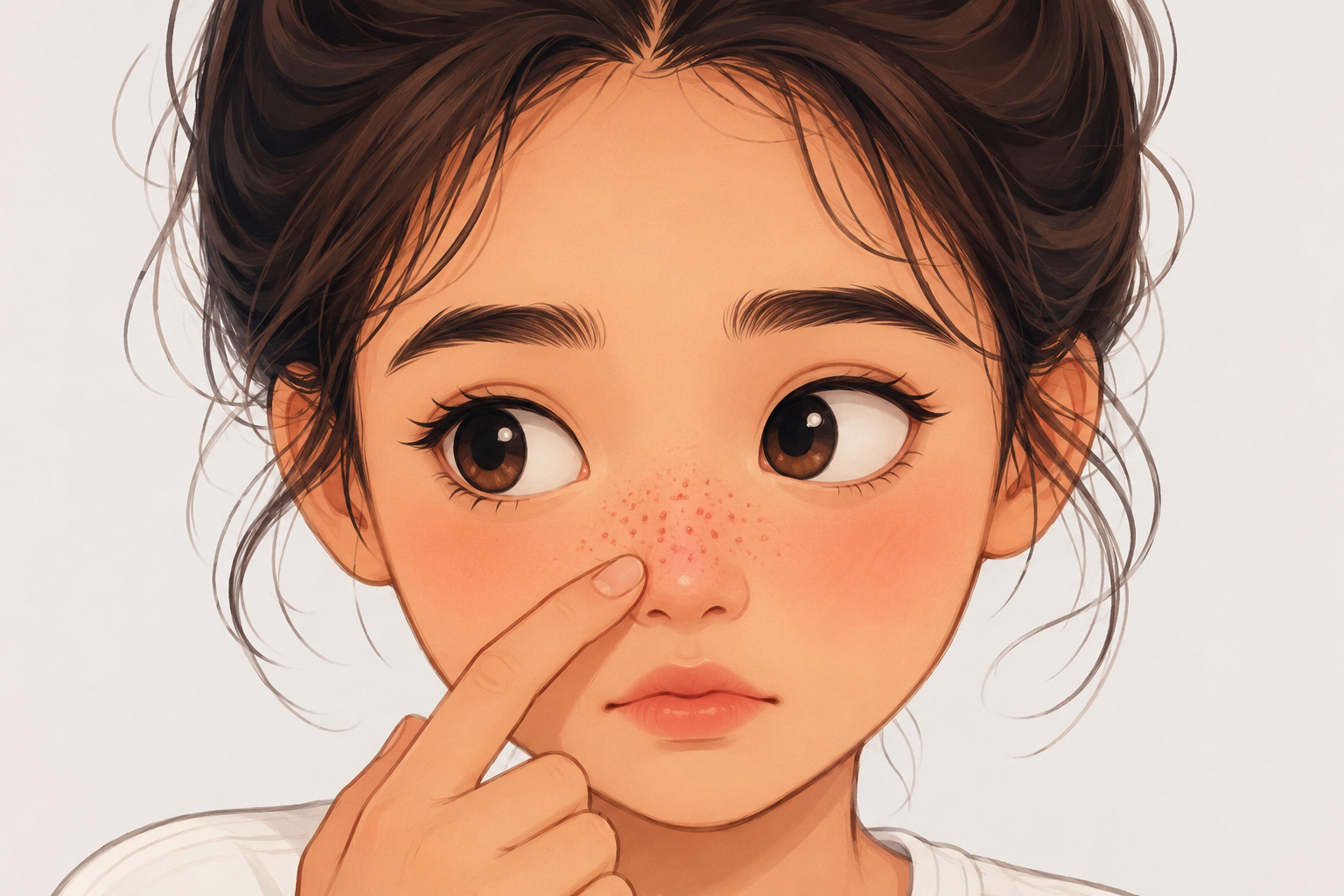
A pimple on the nose can be frustrating, especially when it appears at the worst possible time. Since the nose has many oil-producing glands, clogged pores and breakouts are common in this area. If you’re wondering how to cure pimples on nose, the right skin-care routine and acne treatment can help reduce inflammation, clear clogged pores, and prevent future breakouts.
For faster relief from nose acne, try proven ingredients like salicylic acid to unclog pores and benzoyl peroxide to fight acne-causing bacteria. A cold compress can help reduce redness and swelling, while gentle cleansing keeps excess oil and dirt under control. Avoid squeezing or picking pimples, as this can worsen inflammation and leave dark spots or scars.
What Causes Pimples on the Nose?
The most common cause of a nose pimple is a clogged pore. Oil, dead skin cells, bacteria, and other debris can accumulate inside a hair follicle, causing inflammation. Hormonal changes can also increase oil production and make acne more likely.
Other possible triggers include touching your face frequently, using oily or comedogenic skin-care products, excessive sweating, friction from masks or glasses, and poor cleansing habits. Stress may also contribute to acne in some people.
If you notice Lots of small pimples on nose, they may be clogged pores, whiteheads, or small inflammatory acne lesions rather than one large pimple. Persistent bumps may sometimes have causes other than acne, so an accurate diagnosis is important if they do not improve.
Types of Pimples on Nose
There are several Types of pimples on nose, and they may look different depending on what is happening inside the pore.
Whiteheads: These are closed clogged pores that appear as small, white or skin-colored bumps.
Blackheads: These are open clogged pores. The dark appearance is caused by oxidation of the material inside the pore, not necessarily dirt.
Papules: These are small, raised, red bumps that can be tender.
Pustules: These are inflamed pimples containing visible pus.
Cystic acne: These are deeper, painful lesions that can cause scarring and usually require professional treatment.
A pimples on nose tip problem may be especially noticeable because the tip of the nose is naturally oily. Avoid squeezing these pimples because doing so can increase inflammation, introduce bacteria, and increase the risk of marks or scarring.
How to Get Rid of Pimples on Nose
If you’re wondering how to get rid of pimples on nose, start with a simple and consistent skincare routine rather than trying several harsh products at once.
Wash your face gently twice a day with a mild cleanser. Avoid aggressive scrubbing because irritation can make acne worse. After cleansing, consider an acne treatment containing ingredients such as salicylic acid or benzoyl peroxide, depending on your skin type and the type of acne you have.
Pimples on Nose Treatment
The right pimples on nose treatment depends on the severity and type of acne. Mild blackheads and whiteheads may respond to over-the-counter acne products. Inflamed acne may require different treatment, while persistent or severe acne may need advice from a dermatologist.
People with recurring acne should focus on prevention rather than trying to remove pimples on nose immediately. Consistent cleansing, appropriate acne treatment, clean pillowcases, and avoiding unnecessary face-touching can help reduce breakouts. Also, aloe vera for acne may help soothe irritated skin and reduce redness when used as part of a gentle skincare routine.
How to Cure Pimples on Nose
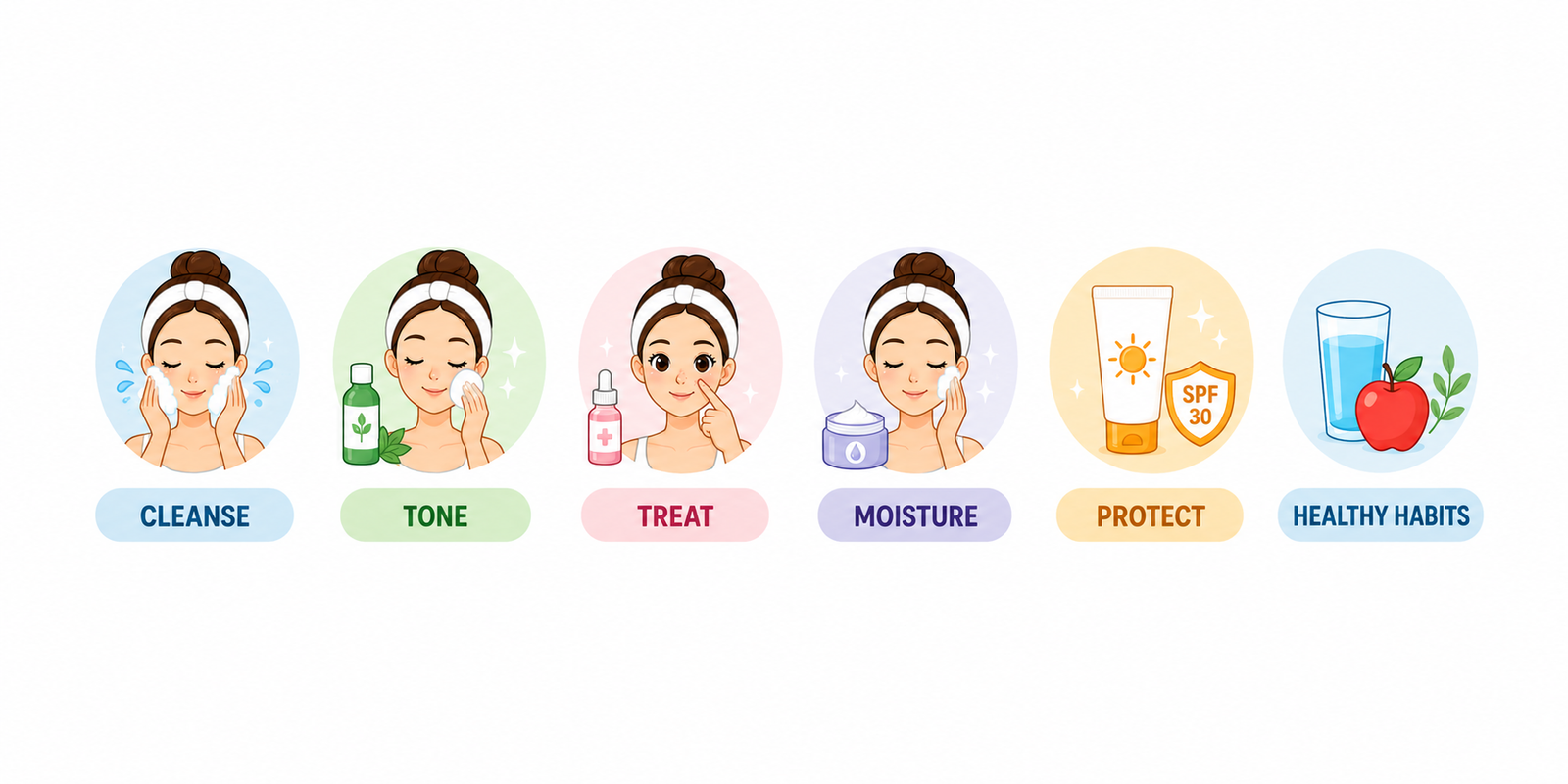
If you’re asking how to cure pimples on nose, remember that there is not always an instant cure. Most acne improves gradually with consistent treatment. Give a new acne routine enough time to work unless you experience significant irritation or worsening symptoms.
Does a Pimple on Nose Indicate Heart Problems?
One common internet claim asks whether a Pimple on nose indicate heart problems. There is no reliable medical evidence that an ordinary pimple on the nose is a sign of heart disease. Nose acne is generally associated with clogged pores, oil production, inflammation, hormones, and other skin-related factors.
Nose pimples are common and usually manageable with gentle, consistent skin care. Understanding the cause and Types of pimples on nose can help you choose a suitable approach. Avoid squeezing or using harsh home remedies, and consider proven acne ingredients such as salicylic acid or benzoyl peroxide when appropriate.
If acne is severe, painful, persistent, or leaving scars, professional medical advice is the safest way to determine the right pimples on nose treatment. With patience and an appropriate routine, many people can reduce breakouts and maintain clearer, healthier-looking skin.
FAQs
1. What is the fastest way to get rid of a pimple on the nose?
There is no guaranteed overnight cure. Avoid squeezing the pimple, keep the area clean, and use an appropriate acne treatment such as salicylic acid or benzoyl peroxide according to product directions.
2. Why do I keep getting pimples on my nose?
Recurring nose pimples can result from excess oil, clogged pores, hormonal changes, skin-care products, sweating, friction, or frequent touching. Identifying your individual triggers can help prevent future breakouts.
3. Can I pop a pimple on my nose?
It is generally better not to pop or squeeze it. Doing so can increase inflammation, introduce bacteria, and increase the risk of scarring or dark marks.
4. What do lots of small pimples on the nose mean?
Lots of small bumps can be caused by clogged pores, whiteheads, or mild acne. However, not every small bump is acne. If the bumps persist, itch, hurt, or do not respond to normal acne care, consult a dermatologist.
5. Can a pimple on the nose be a sign of heart problems?
An ordinary nose pimple is not considered a reliable sign of heart disease. The idea that nose acne indicates a heart problem is not supported by established medical evidence. If you have symptoms that concern you, speak with a healthcare professional.
Reference
https://www.healthline.com/health/beauty-skin-care/nose-acne


No Comments