
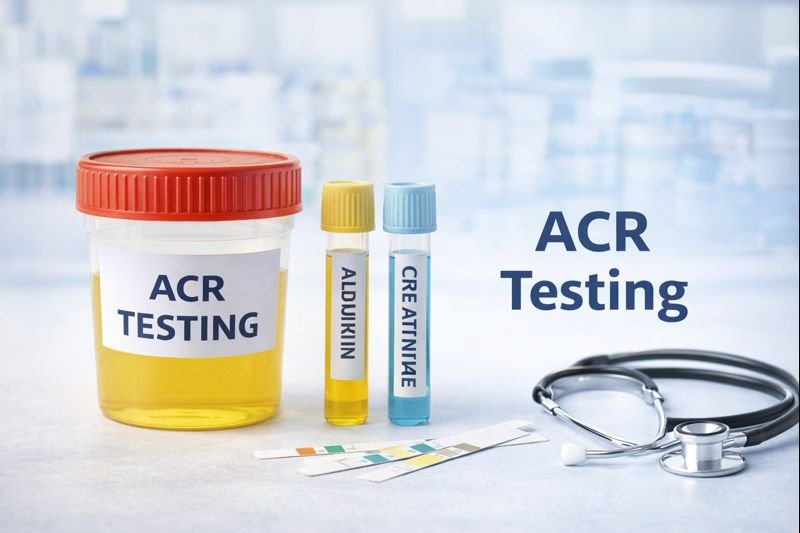
Kidney health plays a crucial role in maintaining overall well-being, and early detection of kidney-related issues can prevent serious complications. One of the most effective tools used by healthcare professionals to assess kidney function is ACR testing. Understanding the ACR meaning, how it works, and why it matters can help individuals take proactive steps toward better kidney health and long-term wellness.
What Is ACR Testing?
ACR stands for Albumin-to-Creatinine Ratio, a laboratory test that detects small amounts of albumin in the urine. Albumin is a type of protein that normally remains in the blood. When the kidneys are functioning properly, very little to no albumin passes into the urine.
The ACR medical is widely used in clinical practice because it provides a simple yet powerful way to identify early kidney damage, often before symptoms appear.
ACR Meaning Medical Explained
To understand the ACR medical meaning, it helps to break it down:
-
Albumin: Albumin plays a key role in regulating fluid balance throughout the body.
-
Creatinine: A waste product filtered out by healthy kidneys
The test compares the amount of albumin to creatinine in a urine sample. This ratio helps account for differences in urine concentration, making the test more accurate than measuring albumin alone.
The ACR medical definition refers to a diagnostic measurement that evaluates kidney filtration efficiency and detects early signs of kidney disease.
Why Is ACR Testing Important for Kidney Health?
ACR testing is especially valuable because kidney disease often develops silently. Many people may not notice symptoms until kidney function is significantly reduced. Elevated ACR levels can indicate:
-
Early kidney damage
-
Increased risk of chronic kidney disease (CKD)
-
Potential cardiovascular concerns
Healthcare providers often recommend ACR testing for individuals with diabetes, high blood pressure, or a family history of kidney disease. However, it can also be useful for routine health screening.
How ACR Testing Supports Early Detection
Early detection is one of the strongest benefits of ACR testing. Even small increases in urinary albumin can signal stress or damage to the kidneys. Identifying these changes early allows for timely lifestyle adjustments and medical management to slow or prevent progression.
Understanding the ACR medical definition helps patients recognize why this test is frequently included in kidney health assessments.
How to Check Kidney Health
Many people ask how to check kidney health effectively. Kidney health assessment usually involves a combination of tests and evaluations, including:
-
ACR urine test to detect protein leakage
-
Blood tests are used to measure creatinine levels and estimate the kidney filtration rate.
-
Blood pressure monitoring
-
Review of medical history and lifestyle factors
Among these, ACR testing stands out as a non-invasive and reliable method for early kidney evaluation.
Who Should Consider ACR Testing?
ACR testing may be recommended for:
-
Individuals with diabetes
-
People with high blood pressure
-
Older adults
-
Those with a family history of kidney disease
-
Individuals experiencing unexplained fatigue or swelling
Regular testing helps track kidney health over time and supports early intervention strategies.
Understanding ACR Test Results
ACR results are usually categorized into ranges that indicate normal or elevated albumin levels. A lower ratio suggests healthy kidney filtration, while higher levels may indicate kidney stress or damage.
Your healthcare provider will interpret the results in the context of your overall health and may recommend follow-up tests if needed.
How to Increase Kidney Health Naturally
Many people want to know how to increase kidney health through daily habits. While medical care is essential when needed, lifestyle choices play a significant role in supporting kidney function.
Effective strategies include:
-
Staying well hydrated
-
Maintaining healthy blood pressure levels
-
Managing blood sugar effectively
-
Reducing excess salt intake
-
Eating a balanced, nutrient-rich diet
-
Avoiding excessive use of over-the-counter pain relievers
-
Staying physically active
These habits not only support kidney health but also benefit heart health and overall wellness and fitness.
Connection Between Kidney Health and Heart Health
Kidneys and the heart are closely connected. Poor kidney function can increase the risk of cardiovascular complications, while heart-related conditions can strain kidney function. ACR testing helps identify this overlap by detecting early changes that may affect both systems.
This dual insight makes ACR testing an essential part of preventive healthcare.
When to Speak With a Healthcare Professional
If ACR levels are elevated or if you have risk factors for kidney disease, it’s important to consult a healthcare professional. Early guidance can help determine whether lifestyle changes, monitoring, or further testing are needed.
Understanding the ACR acronym and its role empowers patients to participate actively in their health decisions.
Conclusion
ACR testing is a simple yet powerful diagnostic tool that plays a vital role in monitoring kidney health and identifying early signs of kidney damage. Understanding the acr meaning medical, the acr acronym medical, and the ACR medical definition allows individuals to take informed steps toward prevention and long-term well-being. Combined with regular health checkups and healthy lifestyle choices, ACR testing supports better kidney function and overall health outcomes.
FAQs
1. What does the ACR meaning medical?
The ACR, meaning medical, refers to the Albumin-to-Creatinine Ratio, a test used to detect early kidney damage by measuring protein levels in urine.
2. What does the ACR acronym stand for?
The ACR medical acronym stands for Albumin-to-Creatinine Ratio.
3. What is the acr medical definition?
The ACR medical definition is a diagnostic measurement that evaluates how well the kidneys are filtering proteins from the blood.
4. How to check kidney health effectively?
Kidney health can be checked using urine tests like ACR, blood tests, blood pressure monitoring, and medical evaluation.
5. How to increase kidney health naturally?
You can increase kidney health by staying hydrated, eating a balanced diet, controlling blood pressure and blood sugar, and maintaining an active lifestyle.
Reference
https://www.ondemand.labcorp.com/blog/acr-test-early-kidney-disease?
https://my.clevelandclinic.org/health/diagnostics/urine-albumin-creatinine-ratio
https://www.metropolisindia.com/parameter/albumincreatinine-ratio-urine
0 200

No Comments