
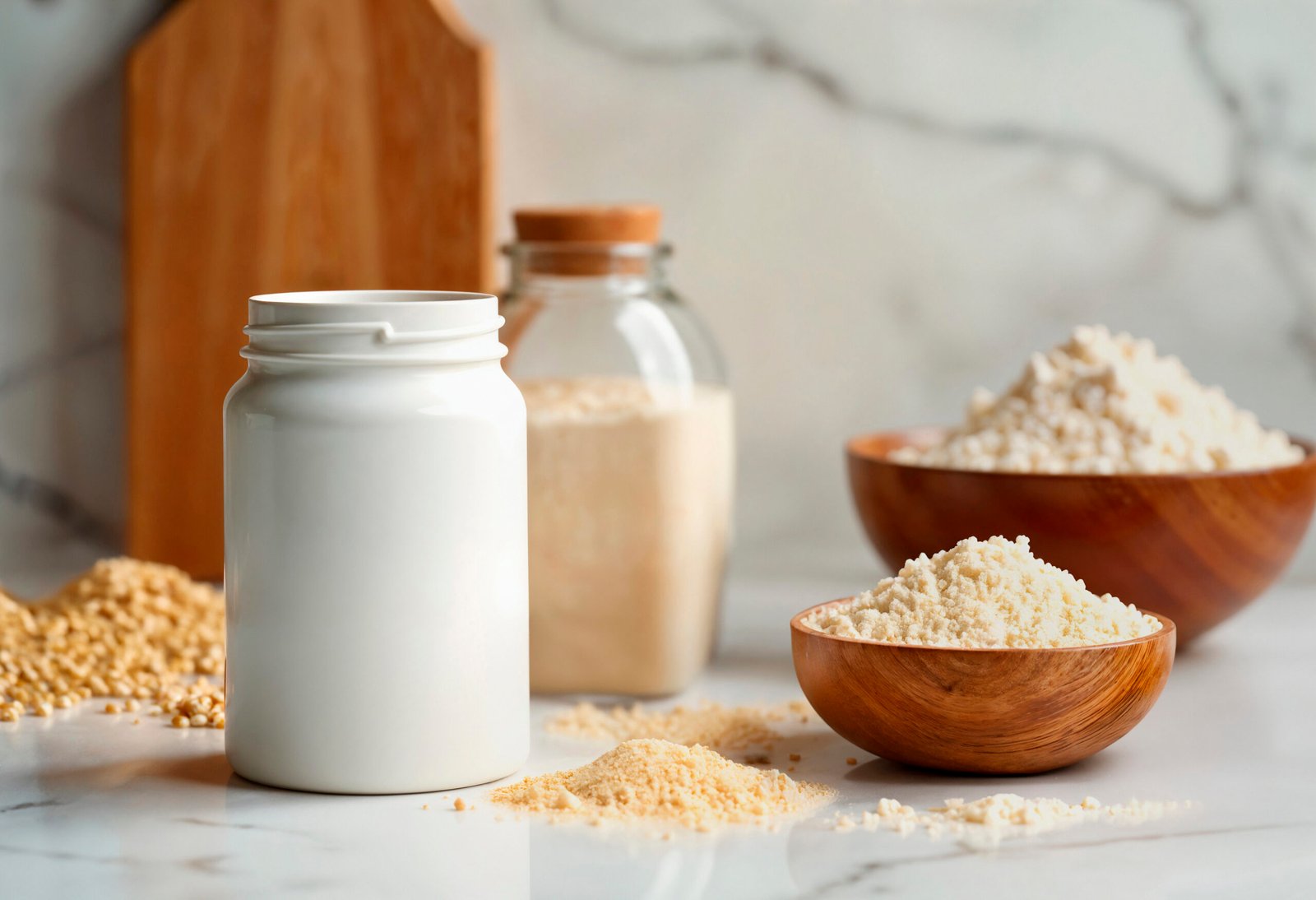
Protein is one of the most essential macronutrients required for overall health, supporting muscle growth, tissue repair, hormone production, and immune function. While whole foods such as meat, eggs, dairy, legumes, and nuts are excellent protein sources, many people struggle to meet their daily protein needs through diet alone.
Protein powder offers a convenient, efficient, and versatile way to bridge this nutritional gap. Whether you are an athlete, a busy professional, or someone focused on maintaining a healthy lifestyle, protein powder can play a valuable role in your daily nutrition.
What Is Protein Powder?
Protein powder is a dietary supplement made by extracting protein from animal or plant-based sources and processing it into a powdered form. It can be easily blended with water or milk, or incorporated into smoothies and various recipes. Common types of protein powder include whey, casein, soy, pea, rice, and blended plant proteins.
Each type varies in digestion system, amino acid profile, and suitability for different dietary preferences. Whey protein is quickly absorbed and rich in branched-chain amino acids (BCAAs), while plant-based proteins are ideal for vegans and individuals with dairy sensitivities.
Key Benefits of Protein Powder
1. Supports Muscle Growth and Repair
Protein is essential for stimulating muscle protein synthesis and supporting muscle growth and repair. After exercise, muscles experience micro-tears that require amino acids for repair and growth. Protein provides a concentrated source of high-quality protein, helping improve muscle recovery and strength. This makes it particularly beneficial for athletes, gym-goers, and older adults aiming to preserve lean muscle mass.
2. Helps Meet Daily Protein Requirements
Protein requirements differ depending on factors such as age, physical activity level, and individual health goals. Many people underestimate how much protein they need daily. Protein offers a simple way to increase intake without excessive calorie consumption or meal preparation.
3. Aids in Weight Management
Protein is known to increase satiety, helping you feel full for longer periods. Including protein in your healthy diet may reduce cravings and support appetite control, which can be helpful for weight loss or weight maintenance. High-protein diets are also associated with improved metabolic efficiency.
4. Supports Bone and Overall Health
Protein contributes to bone strength by supporting calcium absorption and maintaining bone density. Adequate protein intake is especially important for aging individuals to reduce the risk of osteoporosis and muscle loss. Additionally, protein is essential for enzyme production, immune response, and hormone regulation.
5. Convenient and Time-Efficient
One of the major benefits of protein powder is its convenience. It requires little preparation and can be consumed quickly, making it perfect for busy schedules. Additionally, it can be easily added to shakes, oatmeal, yogurt, baked goods, or even soups.
Who Can Benefit from Protein Powder?
-
Athletes and fitness or wellness enthusiasts
-
People with high protein needs
-
Older adults experiencing muscle loss
-
Vegetarians and vegans
-
Individuals recovering from illness or surgery
-
Busy professionals with limited meal prep time
When used appropriately, protein can complement a balanced diet and support various health goals.
Choosing the Right Protein Powder
Selecting the right protein powder depends on dietary preferences, health conditions, and fitness goals.
-
Whey Protein: Fast-digesting, ideal for post-workout recovery
-
Casein Protein: Slow-digesting, supports overnight muscle repair
-
Plant-Based Proteins: Suitable for vegans and lactose-intolerant individuals
-
Hydrolyzed Proteins: Pre-digested for faster absorption
When choosing a protein, look for products with minimal additives, low sugar content, and third-party testing for quality and safety.
How to Use Protein Powder Effectively
Protein powder can be taken at various times throughout the day, depending on your specific health or fitness goals:
-
Post-workout: Supports muscle recovery
-
Morning: Helps start the day with sustained energy
-
Between meals: Controls hunger and boosts protein intake
-
Before bed: Casein protein may support overnight muscle repair
It is important to balance protein intake with whole food sources to ensure adequate micronutrients and dietary fiber.
Safety and Considerations
Protein powder is generally safe when used as directed. However, excessive protein intake may cause digestive discomfort in some individuals. People with kidney disease or other medical conditions should consult a healthcare professional before adding protein supplements to their diet.
Hydration is also important, as protein metabolism requires adequate fluid intake.
Protein Powder and Long-Term Health
When used responsibly, protein can be a long-term dietary tool that supports muscle health, metabolic function, and overall wellness. It should be viewed as a supplement, not a replacement for a varied and nutrient-dense diet.
Consistency, moderation, and quality are key to maximizing the benefits of protein.
FAQs
1. Is protein powder safe to use daily?
Yes, when consumed within recommended limits and as part of a balanced diet, protein is safe for daily use.
2. Can protein powder help with weight loss?
Protein can support weight loss by increasing satiety and helping preserve lean muscle mass.
3. Which protein powder is best for beginners?
Whey protein is often recommended for beginners due to its high quality and easy absorption.
4. Can I take protein powder without exercising?
Yes, protein can help meet daily protein needs even without intense exercise.
5. When can you expect to see results?
With consistent use and a balanced diet, noticeable benefits such as improved muscle recovery, energy, and strength can appear within a few weeks.
Reference
https://www.medicalnewstoday.com/articles/323093
https://www.health.harvard.edu/blog/the-scoop-on-protein-powder-2020030918986
https://www.healthline.com/nutrition/10-health-benefits-of-whey-protein
0 200

No Comments