
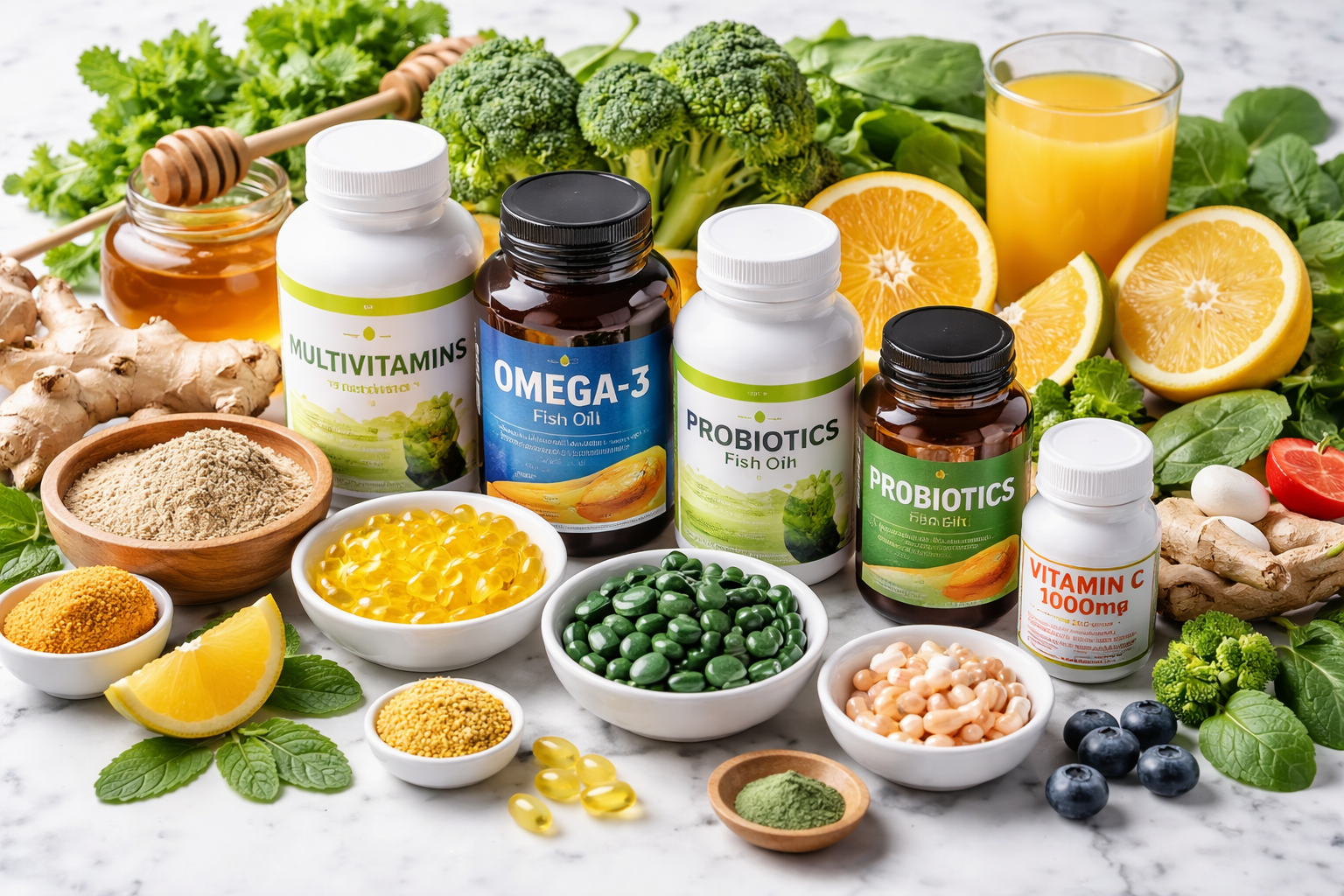
With our fast-paced lifestyles, staying at peak health can often feel like an uphill battle. Busy schedules, processed foods, and stress can take a toll on your body, making it harder to get the nutrients you need from diet alone. This is where health supplements can make a real difference. When used correctly, they can support your overall wellness, boost energy, and promote specific areas of health.
Understanding Health Supplements
Supplements are products designed to provide essential nutrients, such as vitamins, minerals, and other compounds, that may not be consumed in sufficient amounts through food. Supplements are typically offered in capsules, tablets, powders, or liquid forms. Popular categories include health supplements, vitamins, gut health supplements, brain health supplements, and eye health supplements, among others.
While supplements can provide many benefits, it’s important to take them in the right amounts. Overuse or misuse can cause adverse effects, while the right dosage can help you achieve the best results for your health.
Gut Health Supplements
A well-functioning gut is key to digestion, a strong immune system, and overall mental well-being. Gut supplements such as fiber, prebiotics, and probiotics help maintain a balanced gut microbiome. A probiotic supplement for digestive health is particularly beneficial, as it introduces beneficial bacteria that support digestion, nutrient absorption, and immune function. People with digestive discomfort, bloating, or irregular bowel movements can benefit from adding these supplements to their routine.
Liver Health Supplements
Liver supplements such as milk thistle, turmeric, and certain antioxidants support liver function and help protect against toxins and oxidative stress. Including liver-supporting supplements in your regimen can aid in overall wellness, especially for those exposed to environmental toxins, alcohol, or processed foods.
Brain Health Supplements
Cognitive function, memory, and focus are essential at any age. Brain supplements can help enhance mental clarity and protect neurons from age-related decline. Ingredients like omega-3 fatty acids, ginkgo biloba, and certain vitamins are commonly included in these supplements to promote optimal brain function and reduce fatigue or brain fog.
Eye Health Supplements
With increased screen time and aging, eye health is a growing concern. Eye supplements are designed to support vision and protect against age-related eye conditions. Components such as lutein, zeaxanthin, vitamin C, and zinc are vital. Additionally, food supplement for eye health options, like fortified snacks or smoothies, can complement these supplements for maximum benefit.
Coenzyme Q10 (Q10 Health Supplement)
Energy production at the cellular level is crucial for vitality and overall health. A Q10 supplement can support heart health, energy levels, and reduce oxidative stress. Coenzyme Q10 naturally occurs in the body, but levels can decline with age or certain medical conditions, making supplementation beneficial for adults seeking sustained energy and cellular health.
Health Supplements Vitamins
Vitamins are the cornerstone of any supplement regimen. Health supplements vitamins like vitamin D, vitamin B12, and vitamin C play a critical role in immunity, metabolism, and overall bodily functions. A balanced intake ensures that your body receives essential nutrients even when your diet falls short.
Digestive Health Supplements
Digestive issues such as bloating, irregular bowel movements, and discomfort are common. Digestive health supplements can help alleviate these problems by supporting proper enzyme function, gut motility, and microbial balance. Regular intake of digestive aids ensures better nutrient absorption and overall digestive wellness.
Supplemental Health Insurance and Wellness
While supplements support physical health, it’s also important to protect yourself financially. Supplemental health insurance can cover costs not included in standard health plans, including certain preventive services, specialist consultations, or nutrition counseling. Combining the right insurance with a proper supplement regimen ensures a holistic approach to well-being.
Tips for Taking Supplements
- Stick to the recommended dosage: taking more doesn’t always mean better results. Stick to the recommended amount on the label or consult a healthcare professional.
- Choose High-Quality Brands: Look for reputable manufacturers with third-party testing to ensure safety and potency.
- Combine with a Healthy Diet: Supplements are not substitutes for a balanced diet; they work best as an addition to nutrient-rich foods.
- Be Consistent: Regular intake is essential to see the full benefits.
- Consult Professionals: If you are on medications or have chronic conditions, always speak with a healthcare provider before starting new supplements.
FAQs
1. Which supplements are most effective for maintaining gut health?
Some of the most effective gut supplements include probiotics, prebiotics, fiber supplements, and fermented foods. A probiotic supplement for digestive health is particularly useful in restoring healthy gut bacteria and improving digestion.
2. Can brain health supplements improve memory?
Yes, brain health supplements containing omega-3 fatty acids, ginkgo biloba, and certain vitamins can support memory, focus, and cognitive function, especially when combined with a healthy lifestyle and mental exercises.
3. Are eye health supplements necessary if I eat a balanced diet?
While a balanced diet provides essential nutrients, eye supplements can offer additional protection against age-related conditions such as macular degeneration. A food supplement for eye health can complement your diet for better results.
4. How do liver health supplements work?
Liver supplements often contain antioxidants like milk thistle or turmeric, which support liver detoxification, reduce inflammation, and protect liver cells from damage. They are particularly useful for individuals with exposure to toxins or those with high-fat diets.
5. What is Q10, and who should take a Q10 health supplement?
Q10 health supplement refers to Coenzyme Q10, a compound essential for cellular energy production. It is beneficial for adults with low energy, those on certain medications like statins, or older adults experiencing a natural decline in Q10 levels.
Reference
https://ods.od.nih.gov/factsheets/list-all/
https://www.thehimalayanorganics.in/collections/nutritional-supplements
https://www.mayoclinic.org/drugs-supplements
1 250

No Comments