

Cancer is one of the leading causes of death globally, but early detection and awareness can make a big difference. While more than 100 types of cancer exist, some are more common than others. In this article, we’ll explore the 13 most common types of cancer, their main symptoms, and simple ways to lower your risk.
At HealthInfi, we believe that knowledge is the first step toward prevention and better health.
Breast Cancer
Overview:
Breast cancer is the most common cancer in women worldwide, though men can also develop it. It starts when abnormal cells grow in breast tissue.
Common Symptoms:
-
Lump or thickening in the breast or underarm
-
Changes in breast shape or size
-
Nipple discharge or redness
Prevention Tips:
Regular self-exams, annual mammograms, and maintaining a healthy weight can help detect or reduce the risk early.
Lung Cancer
Overview:
lung cancer is a major cause of cancer deaths and is closely linked to smoking. However, non-smokers can also develop it due to pollution or genetic factors.
Common Symptoms:
-
Persistent cough
-
Chest pain
-
Shortness of breath or coughing up blood
Prevention Tips:
Avoid smoking and secondhand smoke, and keep your environment clean and smoke-free.
Prostate Cancer
Overview:
Prostate cancer affects the prostate gland in men, usually after age 50. It grows slowly and can often be managed successfully when detected early.
Common Symptoms:
-
Frequent urination, especially at night
-
Weak urine flow
-
Pain or discomfort in the pelvic area
Prevention Tips:
Eat a diet rich in fruits, vegetables, and whole grains, and discuss prostate screenings with your doctor after age 45.
Colorectal (Colon) Cancer
Overview:
Colon or rectal cancer begins in the large intestine, which is part of the digestive system. It often develops from small polyps that turn cancerous over time.
Common Symptoms:
-
Blood in stool
-
Unexplained weight loss
-
Changes in bowel habits
Prevention Tips:
Eat a fiber-rich diet, avoid processed meat, stay active, and get regular colon screenings after age 45.
Skin Cancer (Melanoma and Non-Melanoma)
Overview:
Skin cancer occurs when skin cells grow uncontrollably, often due to sun exposure. It’s one of the most preventable types of cancer.
Common Symptoms:
-
New or changing moles
-
Sores that don’t heal
-
Itchy or bleeding skin patches
Prevention Tips:
Apply sunscreen every day, wear protective clothing, and stay away from tanning beds.
Bladder Cancer
Overview:
Bladder cancer affects the lining of the bladder and is more common in older adults and smokers.
Common Symptoms:
-
Blood in urine
-
Painful urination
-
Frequent urge to urinate
Prevention Tips:
Stay hydrated, avoid smoking, and maintain good urinary health.
Kidney (Renal) Cancer
Overview:
This cancer starts in the kidneys, which filter waste from your blood. It’s more common in men and those with high blood pressure or obesity.
Common Symptoms:
-
Blood in urine
-
Side or lower back pain
-
Fatigue or unexplained weight loss
Prevention Tips:
Control your blood pressure, maintain a healthy weight, and avoid smoking.
Pancreatic Cancer
Overview:
Pancreatic cancer begins in the pancreas and is often detected late because symptoms appear gradually.
Common Symptoms:
-
Abdominal or back pain
-
Jaundice (yellowing of the skin and eyes)
-
Loss of appetite or weight loss
Prevention Tips:
Avoid smoking, limit alcohol, and maintain a balanced diet rich in fruits and vegetables.
Liver Cancer
Overview:
Liver cancer can develop from liver diseases such as hepatitis or fatty liver.
Common Symptoms:
-
Upper abdominal pain
-
Yellowing of eyes (jaundice)
-
Swelling in the abdomen
Prevention Tips:
Get vaccinated for hepatitis B, limit alcohol, and maintain a healthy liver through diet and exercise.
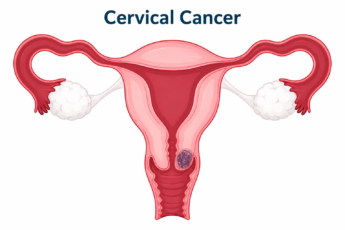
Cervical Cancer
Overview:
Cervical cancer develops in the cervix the narrow, lower section of the uterus that connects to the vagina. It’s primarily caused by the human papillomavirus.
Common Symptoms:
-
Abnormal vaginal bleeding
-
Pelvic pain
-
Pain during intercourse
Prevention Tips:
Get the HPV vaccine, practice safe sex, and have regular Pap smears.
Thyroid Cancer
Overview:
Thyroid cancer begins in the thyroid gland, which regulates metabolism. It’s often found in younger women.
Common Symptoms:
-
Lump or swelling in the neck
-
Hoarseness
-
Difficulty swallowing
Prevention Tips:
Regular check-ups and early detection are key to managing thyroid health.
Leukemia (Blood Cancer)
Overview:
Leukemia affects the blood and bone marrow, leading to abnormal white blood cell growth.
Common Symptoms:
-
Fatigue
-
Frequent infections
-
Easy bruising or bleeding
Prevention Tips:
While leukemia can’t always be prevented, a healthy lifestyle and avoiding chemical exposure may lower risk.
Non-Hodgkin Lymphoma
Overview:
This cancer begins in the lymphatic system, which helps fight infections. It can develop at any age.
Common Symptoms:
-
Swollen lymph nodes
-
Night sweats
-
Weight loss and fatigue
Prevention Tips:
Avoid chemical exposure, maintain a strong immune system, and seek medical help if symptoms persist.
When to See a Doctor
If you notice any persistent symptoms such as unexplained weight loss, fatigue, lumps, or bleeding, consult a healthcare professional immediately. Early detection is often the key to successful treatment.
HealthInfi Takeaway
Cancer is a serious illness, but awareness and early screening can save lives. Focus on healthy habits eat a balanced diet, stay active, avoid smoking, and go for regular check-ups.
At HealthInfi, we aim to spread awareness and empower you to make informed choices for a healthier future.
Remember, prevention starts with awareness and awareness begins with you.
Reference:
https://www.healthline.com/health/cancer
https://cancerblog.mayoclinic.org/2025/05/01/clinical-trials-a-significant-part-of-cancer-care/
0 200
No Comments