
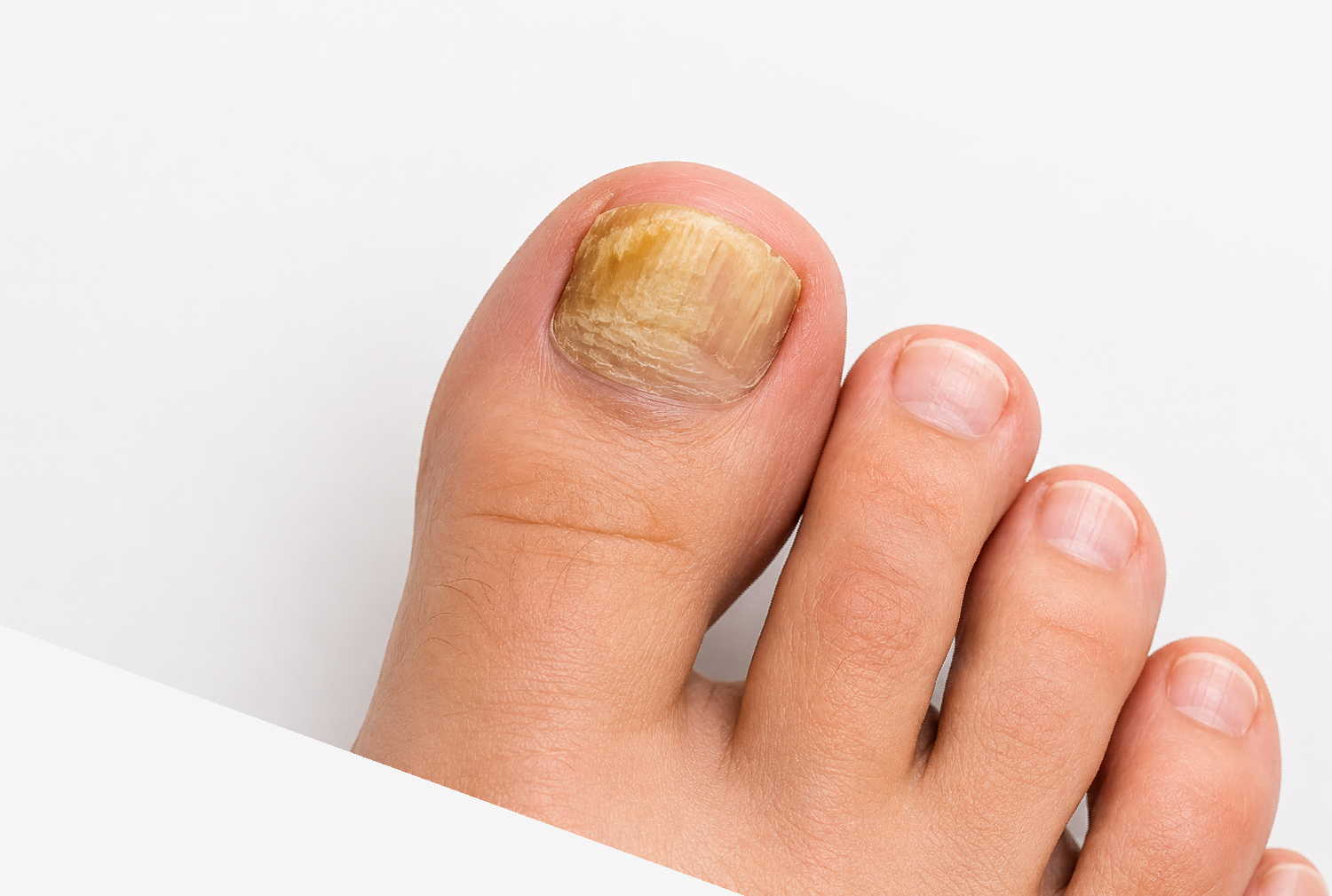
Fungus on nails is one of the most common nail problems people deal with, and it can affect both toenails and fingernails. It often starts small — a tiny discoloration or a slightly thickened edge — and if left alone, it tends to spread. Understanding the right treatment nail fungus approach early on can save you months of frustration and help you avoid more serious complications down the road. A well-planned Nail Fungus Treatment routine, followed consistently, makes the biggest difference in how quickly your nail recovers.
What Is Nail Fungus?
Nail fungus, medically known as onychomycosis, is a fungal infection that gets under the nail plate or into the nail bed. It thrives in warm, moist environments, which is why it’s especially common in toenails — shoes create the perfect breeding ground. A nail with fungus usually shows visible changes long before it becomes painful, which is why early recognition matters.
What Causes Nail Fungus
What causes nail fungus comes down to exposure and opportunity. Fungi are naturally present in the environment, and they take hold when a nail is weakened, injured, or repeatedly exposed to moisture. Common contributing factors include:
- Walking barefoot in public showers, locker rooms, or pools
- Wearing damp socks or tight, non-breathable shoes for long periods
- Small cuts or breaks in the nail or skin health that give fungus a way in
- Reduced blood circulation, often related to age
- A weakened immune system
- Excessive sweating (hyperhidrosis)
What causes nail fungus on feet specifically is usually the combination of dark, warm, sweaty shoes and repeated friction, which creates small cracks in the nail or surrounding skin. This is also why toenail infections tend to be more stubborn and persistent than fingernail ones.
Recognizing the Signs
Before diving into treatment, it helps to know what you’re dealing with. Signs of infection include:
- Yellow, brown, or white fungus on nails
- Thickening or crumbling of the nail edge
- A distorted or ragged nail shape
- A slightly foul odor
- The nail lifting or pulling away from the skin underneath it
In more advanced cases, people report fungus nail pain, especially when pressure is applied to the toe or when wearing closed shoes for extended periods. Pain usually signals that the infection has progressed and inflammation has set in around the nail bed, so it’s a good cue to start treatment seriously rather than waiting it out.
How to Treat Nail Fungus
There isn’t a single universal fix, since severity varies a lot from person to person. Here’s an overview of the most effective ways to treat nail fungus, from mild cases to more advanced infections. The right Nail Fungus Treatment for you will usually depend on how severe the infection is and how long you’ve had it.
1. Keep the Area Clean and Dry
Fungus can’t thrive without moisture. Dry your feet completely after washing, wear clean socks every day, and choose breathable shoes to help keep your feet dry. This alone won’t cure an existing infection, but it prevents things from getting worse.
2. Over-the-Counter Antifungal Products
Topical antifungal creams, gels, and medicated nail lacquers are widely available and work well for mild to moderate cases. Consistency matters more than intensity — these treatments often need to be applied daily for several weeks or months, since nails grow slowly.
3. Home Remedies
Many people search for how to cure fingernail fungus fast at home using natural options like tea tree oil, diluted vinegar soaks, or baking soda. These may help reduce fungal growth and control odor, but results are usually gradual rather than instant, and they work best on early-stage or mild infections.
4. Nail Fungus Vicks
One remedy that comes up often in home-care discussions is nail fungus Vicks. Some people apply Vicks VapoRub nail fungus treatments by rubbing a small amount onto the affected nail daily, based on the idea that its active ingredients (like camphor and eucalyptus oil) may have mild antifungal properties. While anecdotal reports exist, scientific evidence supporting Vicks as a reliable cure is limited, so it’s best viewed as a low-risk supplementary option rather than a primary treatment.
5. Professional and Medical Treatments
For persistent or severe infections, a podiatrist or dermatologist may recommend prescription oral antifungal medication, medicated lacquers, or in some cases laser treatment or nail removal. When an infection has worked its way deep into the nail bed, professional care tends to get better results than home methods alone, and a doctor can build a Nail Fungus Treatment plan around your specific situation.
Is There Anything That Works Instantly?
A common question is what kills toenail fungus instantly home remedies can offer — and honestly, “instant” is misleading here. Nail fungus lives within nail tissue, and nails grow slowly, so no remedy, home-based or medical, eliminates it overnight. What you can do is start reducing fungal activity right away with consistent daily care, even though visible improvement typically takes weeks to months as a healthy nail grows out.
Prevention Tips
Once you’ve dealt with fungus on nails, preventing recurrence is just as important as treating the original infection:
- Wear moisture-wicking socks and rotate shoes to let them dry out
- Trim nails straight across and keep tools disinfected
- Sprinkle antifungal powder or spray inside your shoes on a regular basis
- Avoid sharing nail clippers or files
- Wear sandals in communal wet areas
When to See a Doctor
If the infection covers a large part of the nail, causes significant pain, keeps recurring, or doesn’t improve after a few months of consistent home treatment, it’s time to see an improved healthcare provider. This is especially important for people with diabetes or circulation issues, since fungal infections can lead to more serious complications in these cases. Starting the right Nail Fungus Treatment early, under professional guidance if needed, gives you the best chance of a full recovery.
FAQs
1. What kills toenail fungus instantly home remedies?
No home remedy kills nail fungus instantly, since the infection sits within the nail structure. Options like tea tree oil, vinegar soaks, and antifungal creams can reduce fungal activity over time, but visible results usually take weeks to months.
2. What causes nail fungus?
Nail fungus is caused by fungal organisms entering through small cracks in the nail or surrounding skin, often encouraged by moisture, poor circulation, minor injuries, or a weakened immune system.
3. What causes nail fungus on feet?
Toenail fungus is commonly caused by warm, damp conditions inside shoes, walking barefoot in public wet areas, and repeated friction or minor trauma to the toenails.
4. How to cure fingernail fungus fast at home?
Consistent daily use of antifungal creams or natural remedies like diluted tea tree oil, combined with keeping nails clean, dry, and trimmed, offers the fastest realistic home-based improvement, though full recovery still takes time.
5. Does Vicks VapoRub actually help with nail fungus?
Some people use Vicks as a home remedy due to its camphor and eucalyptus content, applying it daily to the affected nail. Evidence is largely anecdotal, so it’s best used as a mild supplementary approach alongside proven antifungal treatments rather than a standalone cure.
Reference
https://www.mayoclinic.org/diseases-conditions/nail-fungus/diagnosis-treatment/drc-20353300
https://www.webmd.com/skin-problems-and-treatments/treat-toenail-fungus
0 200

No Comments