
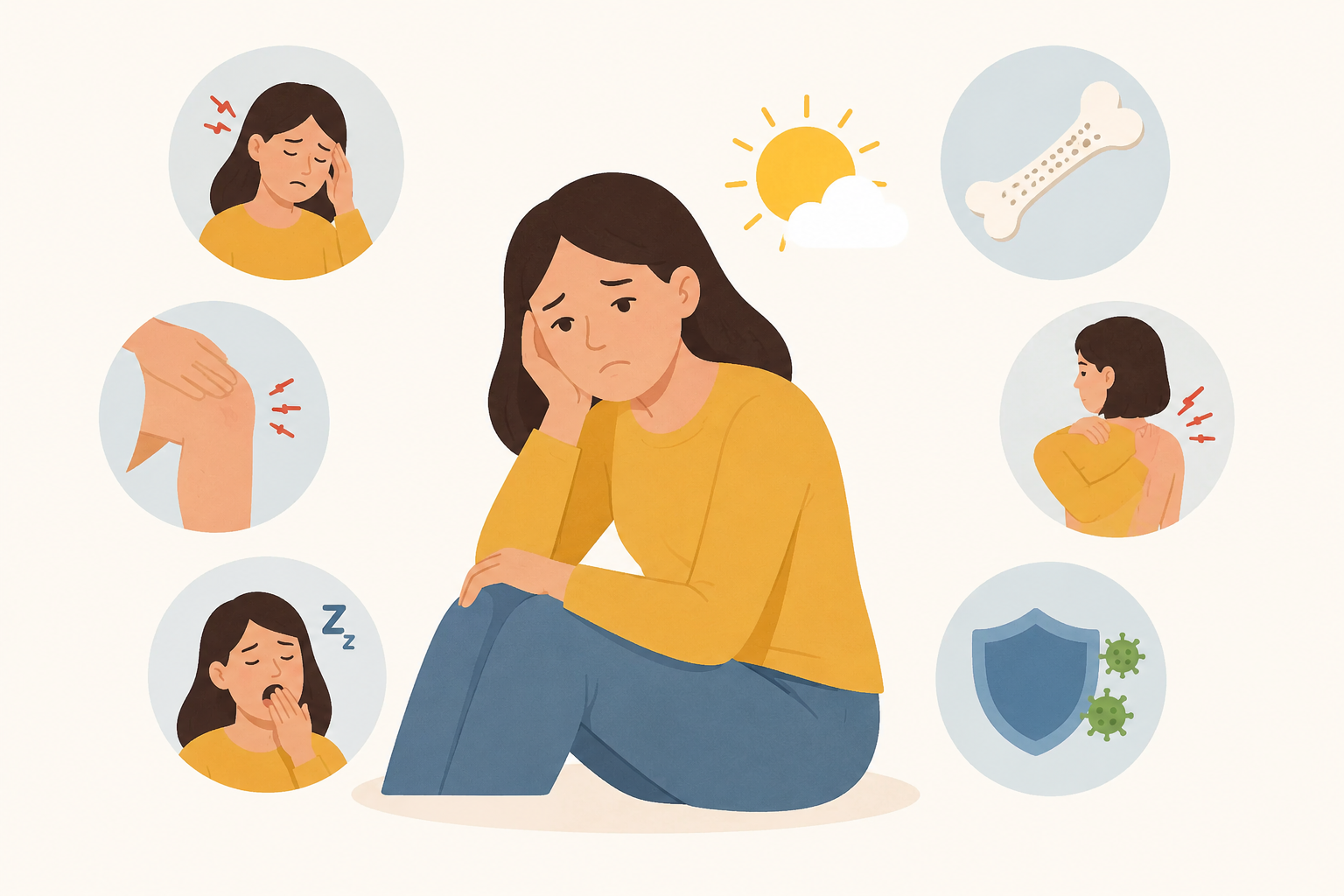
Vitamin D deficiency is among the most prevalent nutritional deficiencies affecting people across the globe. Vitamin D plays a crucial role in maintaining strong bones, supporting the immune system, and helping the body absorb calcium and phosphorus. When the body does not get enough vitamin D, various health problems can develop, ranging from mild fatigue to serious bone disorders.
Understanding vitamin D deficiency symptoms, causes, and treatment options can help you take timely action and improve your overall health.
What Is Vitamin D Deficiency?
A person is considered vitamin D deficient when their vitamin D levels fall below the recommended range. The body produces vitamin D through sunlight exposure, and it can also be obtained from food sources and supplements.
People who spend little time outdoors, have limited sun exposure, or consume diets lacking vitamin D are at a higher risk of developing this condition. In many cases, the deficiency develops gradually and may go unnoticed until symptoms become more severe.
Causes of Vitamin D Deficiency
Several factors may contribute to low vitamin D levels, including:
- Limited exposure to sunlight
- Darker skin pigmentation
- Aging, which reduces vitamin D production in the skin
- Obesity
- Kidney or liver disorders
- Digestive system conditions such as Crohn’s disease and celiac disease
- Poor dietary intake of vitamin D-rich foods
- Some medications can interfere with the body’s ability to absorb vitamin D
Identifying the underlying cause is important for effective vitamin D deficiency treatment.
Vitamin D Deficiency Symptoms
Many people experience subtle symptoms that are often mistaken for other health conditions. Common vitamin D shortage symptoms include:
- Persistent fatigue and tiredness
- Bone pain
- Muscle weakness
- Back pain
- Frequent illnesses or infections
- Mood changes, including depression
- Slow wound healing
- Hair loss
- Reduced bone density
These symptoms can vary depending on the severity of the deficiency and the individual’s overall health.
Signs of Vitamin D Deficiency
Recognizing the signs of vitamin D shortage early can help prevent complications. Some noticeable signs include:
- Chronic muscle aches
- Weak or brittle bones
- Difficulty climbing stairs
- Frequent fractures
- Increased susceptibility to infections
- Poor concentration
- Sleep disturbances
If these symptoms persist, consulting a healthcare provider for testing is recommended.
14 Signs of Vitamin D Deficiency
Many health experts discuss the 14 signs of shortage that may indicate low vitamin D levels. These include:
- Constant fatigue
- Muscle weakness
- Bone pain
- Frequent illness
- Depression
- Hair loss
- Back pain
- Slow wound healing
- Bone fractures
- Poor immune function
- Joint discomfort
- Difficulty concentrating
- Mood swings
- Sleep problems
If multiple signs are present, a blood test may be needed to check vitamin D levels.
D Vitamin Deficiency Effects on Health
Vitamin D deficiency can affect multiple systems in the body. Some potential consequences include:
Bone Health Problems
Vitamin D is essential for calcium absorption. Reduced levels can lead to bone weakening and a higher risk of osteoporosis and fractures.
Impaired Immune Function
Vitamin D helps regulate immune responses. Deficiency may make individuals more vulnerable to infections and illnesses.
Muscle Weakness
Insufficient vitamin D can contribute to muscle pain, weakness, and reduced physical performance.
Mood Disorders
Research suggests a connection between low vitamin D levels and depression, anxiety, and mood instability.
Increased Risk of Chronic Diseases
Over time, low vitamin D levels may contribute to the development of chronic illnesses such as cardiovascular disease and metabolic dysfunction.
Diagnosis of Vitamin D Deficiency
Healthcare providers usually diagnose vitamin D levels using a blood test that measures serum 25-hydroxyvitamin D.
Medical professionals may also use diagnostic coding systems, such as the ICD-10 classification code for vitamin D deficiency, which refers to the ICD-10 code used for documenting and managing vitamin D in healthcare settings.
Testing is especially important for individuals with risk factors or ongoing symptoms.
Vitamin D Deficiency Treatment
Effective vitamin D shortage treatment depends on the severity of the condition and individual health needs.
Vitamin D Supplements
Doctors often recommend vitamin D supplements for vitamin D deficiency. The dosage varies based on age, blood test results, and overall health.
Dietary Improvements
Including vitamin D-rich foods can help support healthy levels. Examples include:
- Fatty fish such as salmon and mackerel
- Egg yolks
- Fortified milk
- Fortified cereals
- Cheese
- Mushrooms exposed to UV light
Increased Sun Exposure
Spending 10 to 30 minutes in sunlight several times per week may help the body produce vitamin D naturally. However, sun exposure requirements vary depending on skin type, location, and season.
Monitoring and Follow-Up
Regular blood tests may be necessary to ensure vitamin D levels return to and remain within the healthy range.
Prevention Tips
It is usually simpler to prevent vitamin D deficiency than to treat it. Consider these practical tips:
- Spend time outdoors regularly
- Only take vitamin D supplements if recommended by your healthcare provider.
- Maintain a healthy weight
- Schedule routine health checkups
- Monitor vitamin D levels if you are at high risk
Taking proactive steps can help maintain optimal vitamin D levels and support long-term health.
FAQs
1. What are the most common vitamin D symptoms?
Common symptoms include fatigue, muscle weakness, bone pain, frequent infections, depression, and slow wound healing.
2. What are the 14 signs of vitamin D?
The 14 signs include fatigue, muscle weakness, bone pain, frequent illness, depression, hair loss, back pain, slow healing, fractures, poor immunity, joint pain, concentration issues, mood swings, and sleep disturbances.
3. How is vitamin D diagnosed?
Doctors diagnose the condition using a blood test that measures 25-hydroxyvitamin D levels in the body.
4. What is the best vitamin D treatment?
Treatment typically includes vitamin D supplements, dietary changes, increased sunlight exposure, and regular monitoring of vitamin D levels.
5. What does vitamin D icd 10 mean?
Vitamin D deficiency ICD-10 is a medical classification code used by healthcare providers to record and manage vitamin D-related diagnoses.
Reference
https://my.clevelandclinic.org/health/diseases/15050-vitamin-d-vitamin-d-deficiency


No Comments