
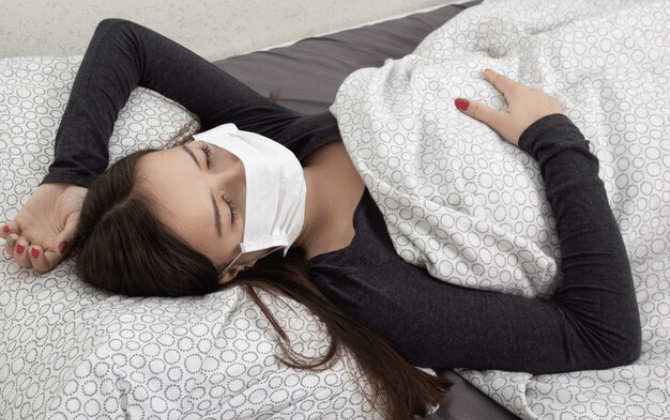
Mouth taping has been making waves in the wellness world as a supposed game-changer for better sleep, reduced snoring, and improved breathing. Some claim it can even boost energy levels, improve focus, and enhance overall health. But is it really as effective as people say?
Curious about the hype, I decided to test mouth taping for five nights to see if it lived up to the claims. Below is my personal experience, including the benefits, challenges, and whether or not I would continue using it.
What Is Mouth Taping?
Mouth taping is exactly what it sounds like—placing a small piece of tape over your lips before bed to keep your mouth closed while you sleep. The idea behind this practice is to encourage nasal breathing instead of mouth breathing, which can improve oxygen levels, reduce snoring, and promote overall better sleep.
The Science Behind It
Breathing through the nose is generally considered healthier than mouth breathing because:
✔ The nose filters and humidifies the air before it enters the lungs.
✔ Nasal breathing boosts oxygen absorption and helps the body relax.
✔ It helps maintain proper CO₂ levels, which improves circulation and brain function.
✔ It prevents dry mouth, bad breath, and gum disease caused by mouth breathing.
With all these benefits, I was eager to see if mouth taping could really make a difference in my sleep quality.
The Rules of My 5-Night Experiment
Before starting, I set a few ground rules:
-
Use medical-grade tape – No duct tape or regular office tape! I opted for gentle, hypoallergenic tape designed for skin.
-
Track my sleep – I used a sleep tracker app to monitor sleep duration, snoring, and oxygen levels.
-
Keep everything else the same – No major changes in diet, exercise, or bedtime routine.
-
Be honest about the experience – If it didn’t work, I’d say so!
Night 1: The Awkward Start
I won’t lie—the first night felt weird. As soon as I put the tape on, I became hyper-aware of my breathing. Was I suffocating? No. But my brain kept telling me I was.
Trying to relax, I lay in bed and focused on breathing through my nose. I fell asleep after about 30 minutes, but I woke up halfway through the night feeling uncomfortable. I instinctively ripped the tape off in my sleep and went back to mouth breathing.
Results:
-
Sleep quality: 5/10
-
Snoring: Mild improvement
-
Comfort level: 2/10
Night 2: Getting Used to It
Determined to keep the tape on all night, I applied a smaller piece, hoping it would feel less restrictive. Surprisingly, I fell asleep faster than the first night.
However, I woke up once again around 3 AM, feeling the urge to breathe through my mouth. Instead of removing the tape, I tried to relax and go back to sleep. It worked!
Results:
-
Sleep quality: 7/10
-
Snoring: Reduced slightly
-
Comfort level: 5/10
Night 3: Best Sleep in a Long Time?
By the third night, I felt way more comfortable with the tape. I barely noticed it after a few minutes, and I slept through the night without waking up.
My sleep tracker showed I had less restlessness and more deep sleep than usual. I woke up feeling refreshed and didn’t experience my usual grogginess.
Results:
-
Sleep quality: 9/10
-
Snoring: Minimal
-
Comfort level: 8/10
Night 4: Unexpected Benefits
At this point, I was actually excited to tape my mouth before bed (never thought I’d say that).
One surprising benefit? My morning breath was noticeably better. Breathing through my nose all night kept my mouth from getting dry, which helped reduce bacteria buildup.
I also felt more alert in the morning, which made me wonder if better oxygen intake played a role.
Results:
-
Sleep quality: 9/10
-
Snoring: Almost gone
-
Comfort level: 9/10
Night 5: A New Habit?
By the fifth night, mouth taping felt completely natural. I fell asleep within 10 minutes, and my sleep tracker showed my longest period of uninterrupted sleep all week.
I woke up with zero grogginess and felt ready to start my day. My nasal breathing felt stronger, and I noticed I was automatically breathing through my nose more during the day as well.
Results:
-
Sleep quality: 10/10
-
Snoring: None
-
Comfort level: 10/10
Final Thoughts: Is Mouth Taping Worth It?
After five nights, I was genuinely surprised at how much mouth taping improved my sleep. Here are my biggest takeaways:
✅ Benefits I Experienced:
✔ Better sleep quality – I woke up feeling more rested and alert.
✔ Less snoring – A noticeable reduction in snoring sounds.
✔ No more dry mouth – My throat and mouth felt hydrated in the morning.
✔ Increased nasal breathing – Even during the day, I found myself breathing through my nose more naturally.
✔ Fresher breath – Less bacteria buildup overnight.
❌ Challenges:
-
The first night was rough – It took time to adjust.
-
Not for everyone – If you have a stuffy nose or breathing issues, this might not be the best option.
-
Finding the right tape – Some tapes were too strong and irritated my skin.
Would I Continue Mouth Taping?
Absolutely! While it felt strange at first, the benefits far outweighed the discomfort. I plan to keep using it and experiment further to see if the improvements continue.
If you’re struggling with snoring, dry mouth, or poor sleep, mouth taping might be worth trying. However, consult with a doctor if you have sleep apnea, nasal congestion, or other breathing concerns before attempting it.
Tips for Trying Mouth Taping Yourself
-
Start with a gentle, skin-friendly tape (like medical tape or mouth tape strips).
-
Cut a small piece and apply it vertically over the center of your lips.
-
Breathe through your nose for a few minutes before bed to get used to it.
-
If it feels uncomfortable, remove it and try again another night.
-
Stick with it for at least 3-5 nights to allow your body to adjust.
Final Verdict
Mouth taping might seem odd, but after my five-night experiment, I can confidently say it works. It improved my sleep, reduced my snoring, and made me feel more refreshed in the morning. While it’s not a magic cure for everything, it’s definitely a simple, affordable sleep hack worth considering.
0 200
No Comments