
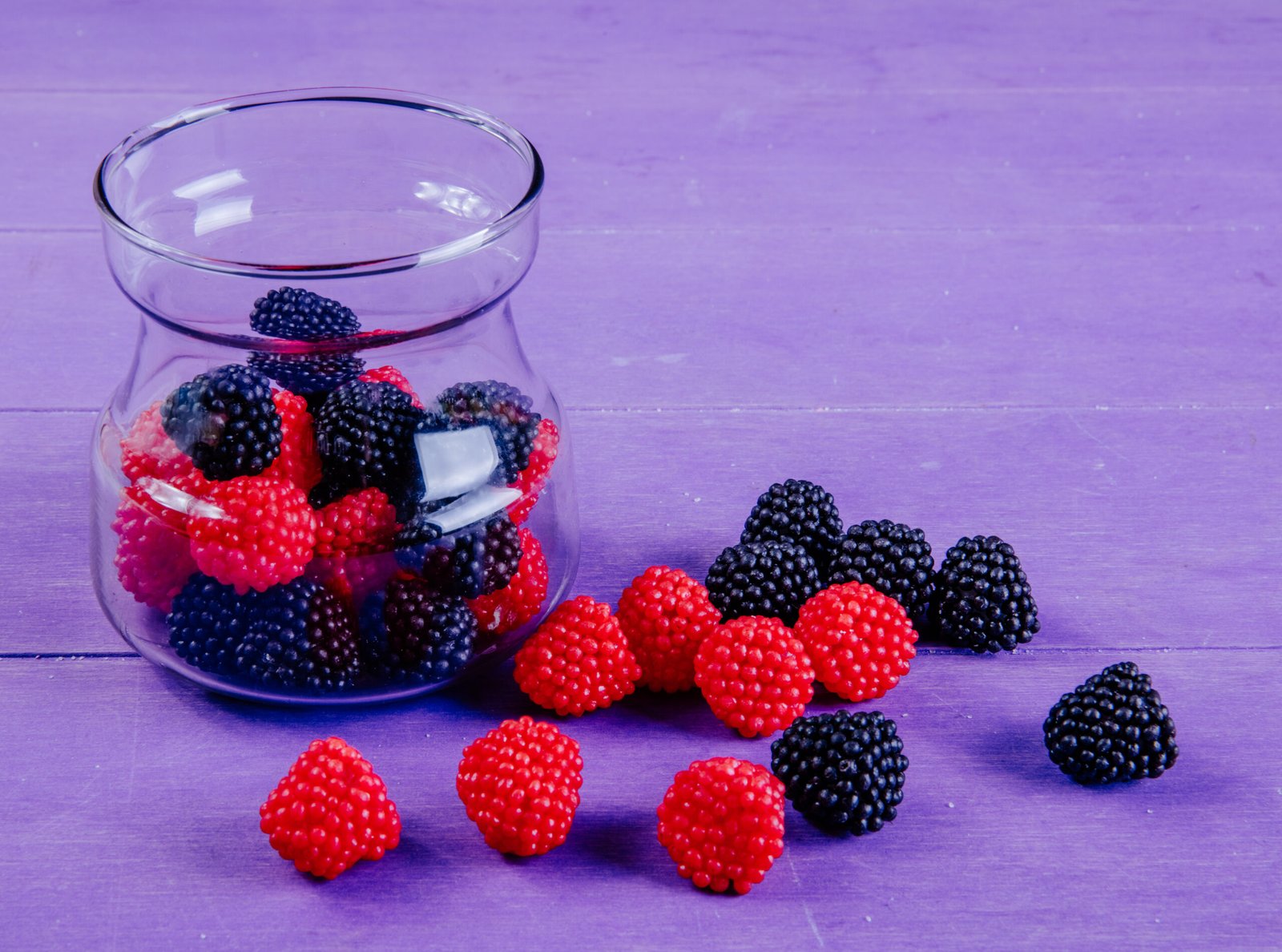
Berries are among the healthiest fruits you can add to your diet, and two of the most popular choices are mulberries and blackberries. Although they may look similar at first glance, these fruits have different flavors, nutritional profiles, and health benefits. If you’ve ever wondered which one deserves a place in your daily diet, this guide will help you make an informed decision.
Both berries are rich in vitamins, minerals, antioxidants, and dietary fiber. Whether eaten fresh, dried, or blended into smoothies, they can support overall wellness. Understanding the difference between mulberry and blackberry can help you choose the best fruit based on your nutritional needs and taste preferences.
What Are Mulberries?
Mulberries are naturally sweet and tender fruits that grow on mulberry trees and are enjoyed for their juicy texture and rich flavor. They are available in black, red, and white varieties, with the black mulberry being the most flavorful and nutrient-rich. These berries have been used in traditional medicine for centuries because of their antioxidant and anti-inflammatory properties.
Mulberries are packed with vitamin C, vitamin K, iron, potassium, and plant compounds like anthocyanins and resveratrol. Their naturally sweet taste makes them a delicious snack without requiring added sugar.
What Are Blackberries?
Blackberries grow on bramble bushes and are recognized for their rich dark purple to black color, juicy texture, and mildly sweet-tart flavor that makes them popular in both fresh and cooked dishes. They contain an impressive amount of vitamin C, manganese, vitamin K, and dietary fiber. Blackberries are also loaded with antioxidants that help protect the body from oxidative stress.
Many people compare blackberries vs mulberry because both fruits provide excellent nutritional value while being relatively low in calories.
Nutritional Comparison
When comparing blackberries vs mulberries, both berries offer impressive health benefits, but there are slight differences.
Mulberries contain:
-
More natural sugars
-
Higher iron content
-
Good amounts of vitamin C
-
Plant compounds that support heart health
Blackberries contain:
-
More dietary fiber
-
Higher vitamin K
-
More manganese
-
Lower sugar content
Both fruits are naturally low in fat and cholesterol-free, making them excellent choices for healthy eating.
Health Benefits of Mulberries
Mulberries are considered a superfruit due to their impressive nutrient profile.
Some major benefits include:
-
Rich in antioxidants that fight free radicals
-
May help improve blood sugar regulation
-
Contains iron for healthy red blood cells
-
Promotes healthy skin through vitamin C
-
Supports immune function
Because of their sweetness, mulberry fruit and blackberry are often used interchangeably in desserts, although mulberries generally require less added sugar.
Health Benefits of Blackberries
Blackberries provide several unique health advantages.
These include:
-
Excellent source of dietary fiber for digestion
-
Helps maintain healthy blood pressure
-
Rich in vitamin C for immunity
-
Contains anthocyanins that support brain health
-
May reduce inflammation
People trying to lose weight often choose blackberries because they provide plenty of fiber with fewer natural sugars.
Taste Comparison
One of the biggest differences between these fruits is flavor. When discussing mulberries vs blackberries taste, most people describe mulberries as sweeter, softer, and more delicate. Blackberries are firmer, slightly tart, and have a richer berry flavor.
If you enjoy naturally sweet fruits, mulberries may become your favorite. If you prefer a balance of sweetness and tartness, blackberries are likely the better choice.
Antioxidant Content
Both berries contain powerful antioxidants that help protect your cells from damage.
Mulberries contain:
-
Resveratrol
-
Anthocyanins
-
Flavonoids
Blackberries contain:
-
Anthocyanins
-
Ellagic acid
-
Vitamin C
-
Polyphenols
These compounds may help reduce inflammation and support long-term health.
Fiber and Digestive Health
Fiber is essential for maintaining healthy digestion.
Blackberries provide more fiber per serving, making them excellent for:
-
Improving bowel regularity
-
Supporting gut bacteria
-
Increasing feelings of fullness
-
Helping manage blood sugar levels
Mulberries also contain fiber but in slightly smaller amounts.
Which Berry Is Better for Weight Loss?
If your goal is weight management, blackberries have a slight advantage because of their higher fiber and lower sugar content. The fiber helps you stay satisfied longer while keeping calorie intake relatively low.
However, mulberries are still a healthy foods and can easily fit into a balanced diet.
Understanding Similar Berries
Many people confuse berries because they share similar colors and appearances. The difference between blackcurrant and blackberry is significant. Blackcurrants are much smaller, have a stronger tart flavor, and contain exceptionally high amounts of vitamin C. Blackberries are larger, juicier, and have a sweeter taste.
Similarly, many people compare mulberries and blackberries, but they grow on entirely different plants. Mulberries are produced by mulberry trees, whereas blackberries develop on low-growing bramble bushes.
Easy Ways to Eat Both Berries
You don’t have to choose only one. There are many simple and delicious ways to include both fruits in your daily diet:
-
Add them to oatmeal.
-
Blend into smoothies.
-
Mix with yogurt.
-
Use in fruit salads.
-
Bake into muffins.
-
Make homemade jam.
-
Freeze for healthy snacks.
-
Add to breakfast bowls.
Including a variety of berries in your diet ensures you receive a wider range of nutrients and antioxidants
FAQs
1. Are mulberries healthier than blackberries?
Both are highly nutritious. Mulberries contain more iron and natural sweetness, while blackberries provide more fiber and vitamin K.
2. Can diabetics eat mulberries and blackberries?
Yes, both can be enjoyed in moderation as part of a balanced diet, though portion size should be considered.
3. Which berry has more antioxidants?
Both berries are rich in antioxidants, but they contain different types of beneficial plant compounds that support overall health.
4. Are mulberries and blackberries the same fruit?
No, they are different fruits. Although they may appear alike, they come from separate plants and have unique tastes, textures, and nutritional benefits.
5. Which berry is better for digestion?
Blackberries are generally better for digestion because they contain more dietary fiber, which supports gut health and regular bowel movements.
Reference
https://pmc.ncbi.nlm.nih.gov/articles/PMC10418693/
https://www.webmd.com/diet/health-benefits-mulberries
0 200

No Comments