
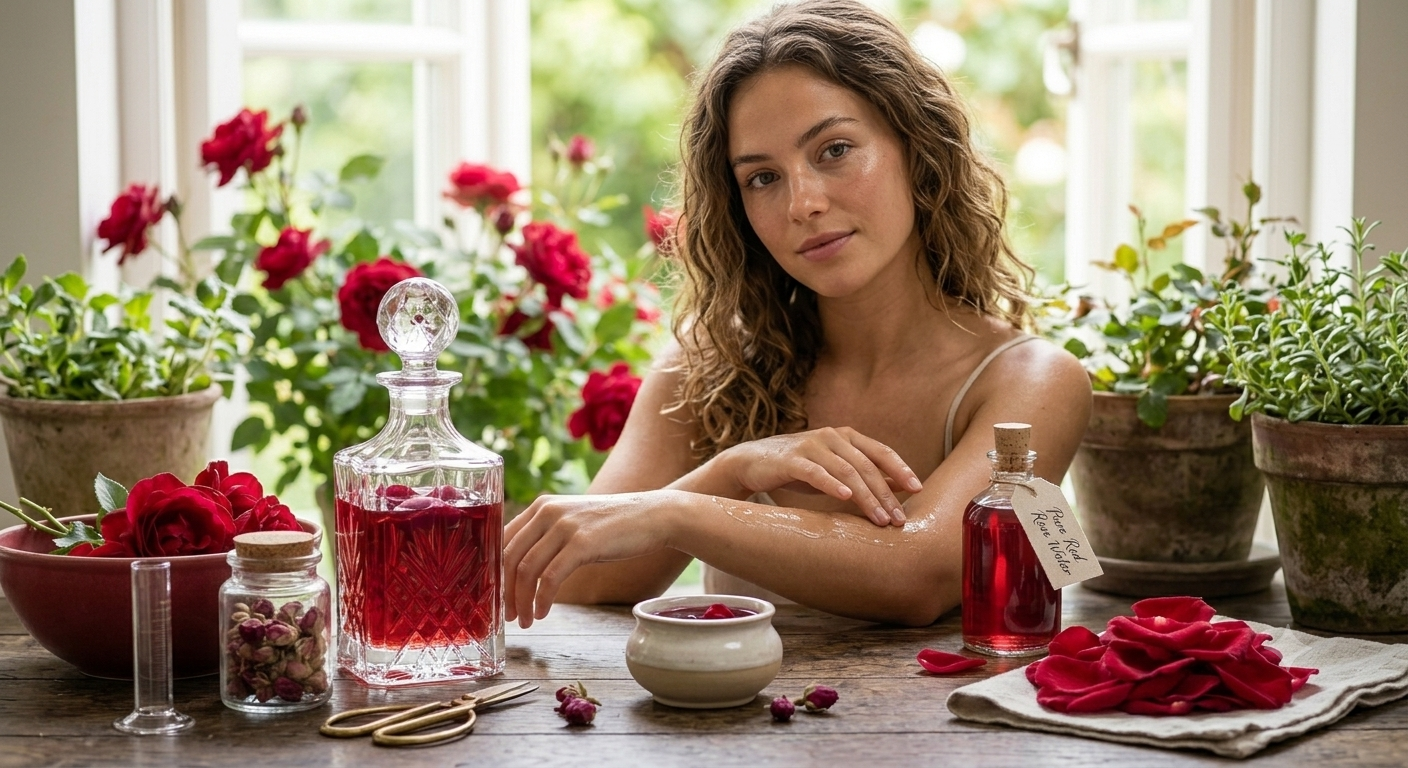
Rose water has become a familiar ingredient in modern beauty routines, but what makes it so appealing? From refreshing sprays to toner-style formulas, rose water is often chosen for its light texture, floral scent, and easy application. If you are curious about Rose Water Benefits for Skin, it helps to understand what people actually use it for and what you may notice after adding it to your routine.
Rose water is made from roses and water and is available in different cosmetic formulations. Some products are simple floral waters, while others contain additional ingredients. Because formulas vary, the experience of using one product may differ from another.
How Do People Commonly Use Rose Water on Their Skin?
The most common rose water uses for skin involve refreshing the face and adding a simple step after cleansing. Some people prefer it in the morning, while others use it later in the day when they want their skin to feel fresh. Rose water uses can include refreshing the skin, adding a light layer after cleansing, and supporting a simple daily beauty routine.
Popular applications include:
-
Easy to spray over the face for a quick refreshing feel
-
Spreading a light layer with freshly washed fingertips or a soft cotton pad
-
Using it after cleansing
-
Adding it to certain cosmetic masks
-
Applying it before another skin-care product when suitable
A rose water for face spray can be especially practical because it allows quick application without requiring much product. If you use a spray, keep your eyes closed and avoid spraying directly into them.
Can You Make Rose Water at Home With Simple Ingredients?
Yes, homemade rose water can be prepared with a few basic ingredients and simple kitchen equipment. Making it yourself also lets you control what goes into the mixture instead of relying on a ready-made formula.
Rose water for face can be a simple way to refresh the skin and add a light, soothing step to your daily beauty routine.
For a basic preparation, you can use:
-
Fresh rose petals: Choose clean petals from roses that have not been treated with garden chemicals.
-
Clean water: Use fresh drinking-quality water as the base.
-
Aloe vera gel: A small amount can be added if you want to explore 10 aloe vera benefits as part of your broader skin-care routine.
-
Cucumber: Fresh cucumber can add a cooling, refreshing touch to a homemade mixture.
-
Green tea: Once cooled, green tea can be combined with rose water for a simple, refreshing blend.
A basic homemade version can be made by gently heating the rose petals with water and allowing the mixture to cool before straining it. Transfer the finished liquid into a clean container and keep it refrigerated.
Because homemade mixtures usually contain little or no preservative, prepare a small quantity and avoid keeping it for a long time. Fresh preparation can also help maintain the natural scent and overall quality of the mixture.
What Changes Might You Notice After Using Rose Water?
The experience of using rose water can vary depending on the product and your skin-care routine. Uses of rose water for face include misting the skin, applying it after cleansing, or using it as a toner-style step.
You might notice:
-
A fresh feeling after application
-
Skin that feels lightly refreshed
-
A pleasant, clean sensation
-
An easy way to add moisture to a skin-care routine
-
A convenient option for refreshing the face during the day
Rose-derived ingredients have attracted interest, although the effects of finished rose water products can vary according to their formulation. The Rose Water Benefit for Skin is therefore best considered as part of a simple, consistent routine rather than as a guaranteed result.
What’s the Simple Way to Apply Rose Water to Your Face?
If you want to try How to use rose water for face, keep the process simple:
-
Start with freshly cleansed skin.
-
Pour a small amount onto a soft cotton pad and gently sweep it across the face, or use a facial mist to distribute a light layer evenly.
-
Spreading a light layer with freshly washed fingertips or a soft cotton pad can also work.
-
Allow it to settle naturally.
-
Follow with your usual skin-care products if needed.
A rose water for face spray can be particularly convenient because it is easy to spray over the face for a quick refreshing feel.
Is Overnight Use of Rose Water a Good Fit for Your Routine?
Some people prefer using rose water as an evening skin-care step. The rose water on face overnight benefits may depend on the specific formula, how your skin responds to it, and what other ingredients are included.
For an evening routine, you can apply a thin layer after cleansing and let it settle naturally before moving on to your usual skin-care steps.
If an unfamiliar product causes an uncomfortable feeling, stop using it. Try a small area first when introducing an unfamiliar product to your routine.
What Should You Know Before Putting Rose Water on Your Face?
The Side effects of rose water on face can vary depending on the formulation and individual sensitivity. A product that feels comfortable for one person may not feel the same for someone else.
Along with skin-care choices, maintaining a balanced everyday routine can also include learning about important nutrients such as vitamin B12 foods and how they fit into your diet.
If you want to include Rose water for face in your routine, first make sure the product is designed for facial application. A quick look at the ingredient list can also tell you whether the formula contains fragrance or other added ingredients.
Before adding a new product, consider these simple habits:
-
Look for clear product information.
-
Read the complete ingredient list.
-
Avoid formulas containing ingredients you already know do not suit you.
-
Keep the container closed when not in use.
-
Use clean hands or applicators when applying the product.
Could Rose Water Fit Into Your Toner Step?
Rose water can be part of a toner-style routine when the product is designed for facial application. rose water for face toner products are commonly placed after cleansing and before the next skin-care step.
As a toner-style step, rose water can be used after cleansing and before other products you normally apply. This makes it an easy addition for people who enjoy a quick, refreshing layer in their routine. However, not every rose water product is a toner. Read the label and use the product according to its intended purpose.
Conclusion
Rose Water Benefits for Skin is mainly discussed in connection with its refreshing feel, lightweight application, and place in everyday beauty routines. It can be used as a mist, a toner-style product, or a quick refreshing step after cleansing.
If you enjoy how a rose water product feels and it suits your routine, it can be an easy extra step in your skin-care routine. Keep expectations realistic, choose a formula carefully, and pay attention to how your skin responds.
Frequently Asked Questions
1. How Often Can Rose Water Be Part of Your Routine?
Daily use may fit into a simple skin-care routine if the product feels comfortable on your skin. Start with a small amount and follow the directions provided for the particular formula.
2. Is Rose Water Suitable for Facial Use?
Rose water can be used on the face when the particular product is designed for facial application. Keep it away from the eyes and follow the directions provided on the packaging.
3. Can Rose Water Stay on Your Face While You Sleep?
For an evening routine, you can apply a thin layer after cleansing and let it settle naturally before moving on to your usual skin-care steps. Choose a product intended for facial use if you plan to leave it on.
4. Does Rose Water Take the Place of Moisturizer?
Rose water and moisturizer have different roles. Rose water can add a refreshing step, while moisturizer is designed to add and retain moisture.
5. How Can You Add Rose Water to Your Routine?
You can use rose water after cleansing by applying a light layer with clean fingertips, a cotton pad, or a facial mist. Many people use it as a simple refreshing or toner-style step.
References:
- https://pmc.ncbi.nlm.nih.gov/articles/PMC6261181/
- https://sisters.aarp.org/culture-style/beauty-fashion/rose-water-for-beauty/
0 200
No Comments