
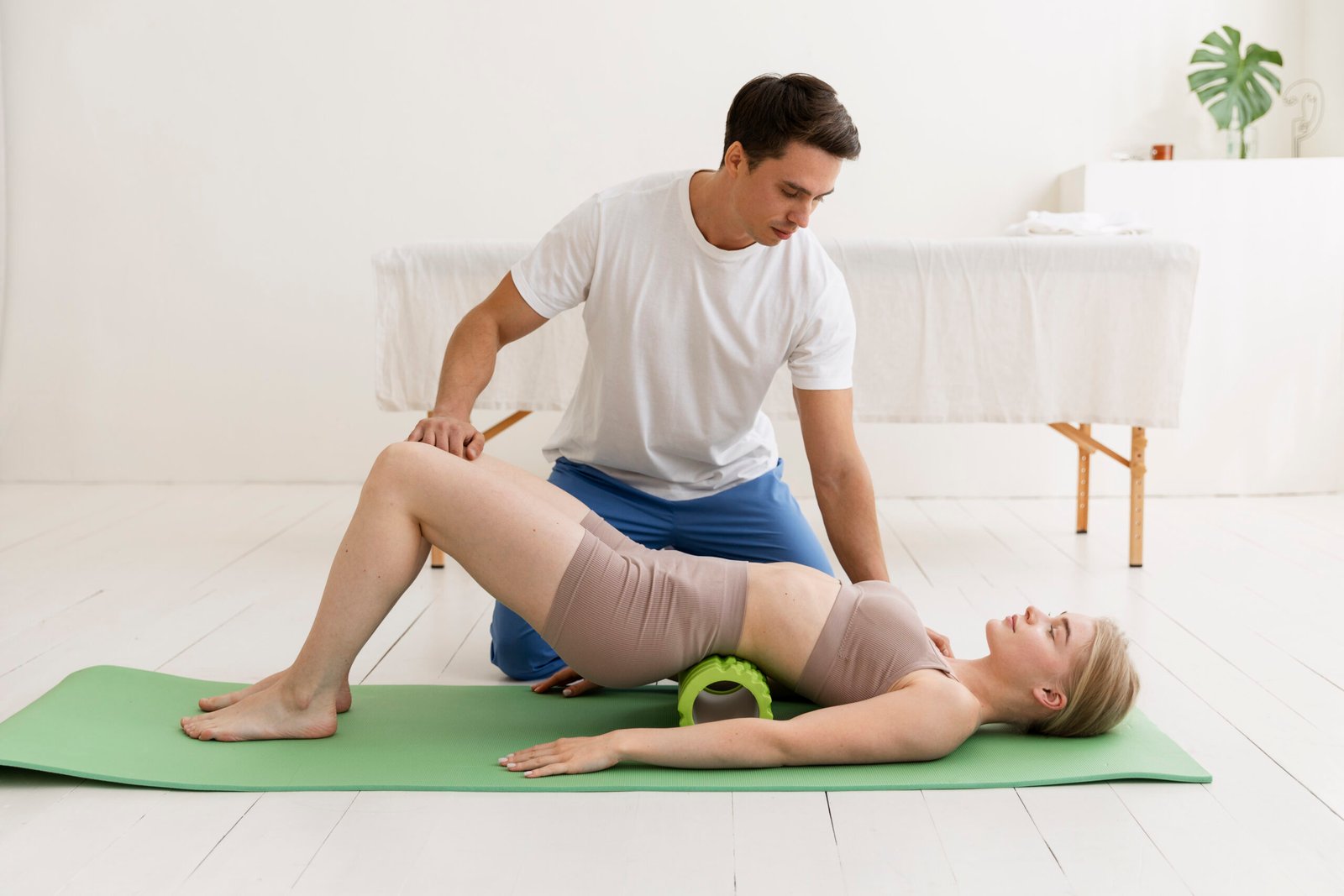
Back pain is a widespread problem impacting millions globally, ranging from mild aches to severe pain that can disrupt daily life and overall well-being. Whether your pain is acute or chronic, incorporating proper exercises can significantly improve your condition. This guide will provide a comprehensive overview of back pain treatment exercises and how they can help you regain mobility, reduce discomfort, and strengthen your back.
Understanding Back Pain
Back pain can occur for various reasons, including muscle strain, poor posture, a sedentary lifestyle, or underlying conditions such as herniated discs or arthritis. The lower back, or lumbar region, is particularly susceptible because it bears much of the body’s weight. Common symptoms include stiffness, sharp or dull pain, and difficulty in movement.
Fortunately, with regular and targeted exercises, you can manage pain effectively. Exercise treatment for lower back pain focuses on improving flexibility, strengthening muscles, and reducing tension in the lumbar area.
Benefits of Back Pain Treatment Exercises
Engaging in regular lower back pain treatment exercises and stretches offers several benefits:
-
Pain Reduction – Targeted exercises help reduce inflammation and relieve pressure on the lumbar spine.
-
Improved Flexibility – Stretching exercises can increase mobility and prevent stiffness.
-
Enhanced Strength – Strengthening the core and back muscles helps support your spine.
-
Better Posture – Regular exercises promote proper alignment and reduce strain on your back.
-
Prevent Recurrence – Consistent exercise routines can help prevent future episodes of back pain.
Types of Back Pain Treatment Exercises
There are several forms of exercise recommended for back pain relief. Below, we discuss some of the most effective ones.
1. Lumbar Back Pain Treatment Exercise
Lumbar back pain treatment exercise focuses on strengthening the lower back muscles and improving spinal support. Examples include:
-
Pelvic tilts: Position yourself on your back, bend your knees, and keep your feet firmly on the ground. Flatten your back against the floor by tightening your abdominal muscles, then relax. Repeat 10–15 times.
-
Bridges: Lie on your back, knees bent, lift your hips towards the ceiling while keeping your core tight. Hold the position for a few seconds, then slowly lower your body. Repeat 10–12 times.
These exercises strengthen the muscles supporting the lumbar spine, reducing discomfort and improving stability.
2. Lower Back Pain Treatment Exercises Stretches
Stretching is crucial to relieve tension and improve flexibility. Some effective lower back pain treatment exercises include:
-
Knee-to-chest stretch: Lie on your back, bring one knee to your chest while keeping the other leg bent or straight. Maintain the stretch for 20–30 seconds, then switch to the other leg.
-
Cat-Cow stretch: On your hands and knees, alternate between arching your back (cat) and dipping it down (cow). Repeat 10–15 times.
Regular stretching helps relieve stiffness and increases range of motion in the lumbar region.
3. Chronic Lower Back Pain Treatment Exercises
For those dealing with persistent pain, chronic lower back pain treatment exercises focus on gentle, low-impact movements to prevent aggravation. Examples include:
-
Bird-dog exercise: On hands and knees, extend one arm and the opposite leg simultaneously, keeping your spine neutral. Maintain the pose briefly before alternating sides.
-
Partial crunches: Lie on your back with knees bent, cross your arms over your chest, and lift your shoulders slightly off the floor while engaging your core.
These exercises strengthen the core and back muscles without placing excessive strain on the spine.
4. Exercise for Back Pain Treatment
In general, exercise for back pain treatment should combine strengthening, stretching, and aerobic activities. Consider:
-
Walking or swimming – Low-impact cardio improves circulation and supports recovery.
-
Yoga or Pilates – Gentle movements enhance flexibility, balance, and core strength.
-
Resistance band exercises – Light resistance training strengthens back and abdominal muscles.
Consistency is key. Performing these exercises 3–5 times a week can yield significant improvements over time.
Tips for Safe Back Pain Exercise
While exercise is highly beneficial, improper techniques can worsen pain. Keep these tips in mind:
-
Warm up before starting any exercise routine.
-
Start slowly and increase intensity gradually.
-
Maintain proper form to avoid injury.
-
Pay attention to your body and stop immediately if you feel sharp or increasing pain.
-
Be mindful of your body and stop right away if you experience sharp or worsening pain.
Combining exercises with lifestyle changes, such as maintaining a healthy weight, using ergonomic furniture, and practicing good posture, can further enhance results.
Conclusion
Dealing with back pain can be tough, but the right strategies can bring relief. Exercise treatment for lower back pain, combined with stretches, strengthening, and aerobic activities, plays a vital role in managing discomfort and improving spinal health. Whether you are dealing with acute pain or chronic discomfort, incorporating lumbar back pain treatment exercises and chronic lower back pain treatment exercises can enhance flexibility, build strength, and support long-term wellness.
Consistency, proper technique, and a holistic approach to health are key to making back pain exercises effective. By following the exercises mentioned above and taking preventive measures, you can regain mobility, reduce pain, and lead a more active, pain-free life.
FAQs
1. How soon can I see results from back pain exercises?
Results differ based on the individual and how severe their pain is. Some people may feel relief within a few days, while chronic cases may take several weeks of regular exercise.
2. Are these exercises safe for everyone?
Most exercises are safe for adults, but those with severe back conditions or injuries should consult a doctor or physiotherapist before starting any routine.
3. Can I do these exercises at home?
Yes, many lower back pain treatment exercises, stretches, and strengthening routines can be done at home without special equipment.
4. How long should each session last?
A typical session can last 20–30 minutes. Focus on proper form rather than duration. Over time, you can gradually increase the session length as your strength improves.
5. Can these exercises prevent future back pain?
Yes. Incorporating regular exercise for back pain treatment along with proper posture and lifestyle habits can significantly reduce the risk of future back pain episodes.
Reference
https://www.mayoclinic.org/healthy-lifestyle/adult-health/in-depth/back-pain/art-20546859
https://www.healthline.com/health/fitness-exercise/upper-back-pain-exercises
0 200

1 Comment