
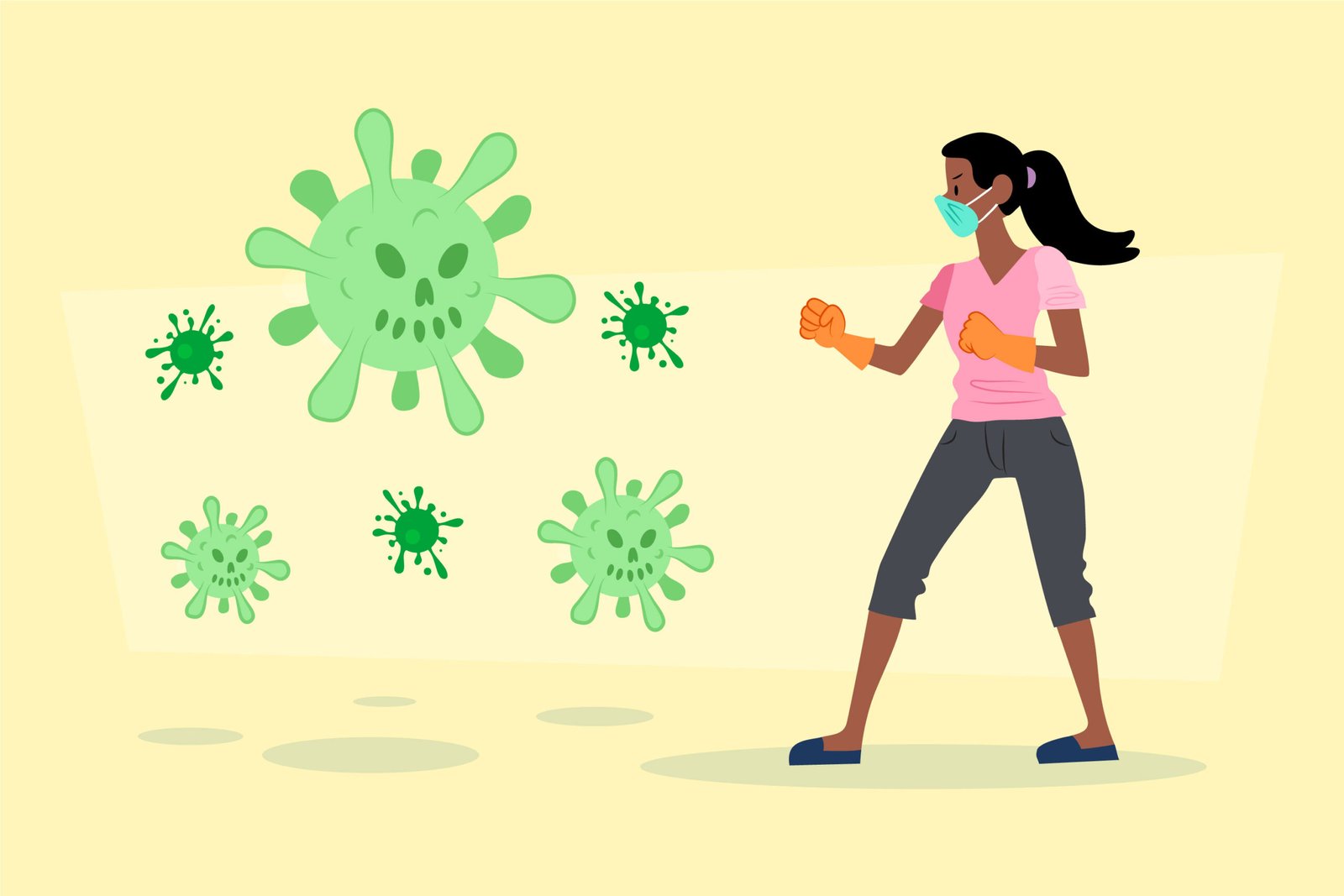
Viral and bacterial infections are common health concerns that can affect people of all ages. Although both can cause fever, fatigue, body aches, and other similar symptoms, they differ in their causes, how they spread and how they are treated. Understanding the difference between viral and bacterial infections can help you recognise warning signs and seek appropriate medical care.
What Is the Difference Between Viral and Bacterial Infections?
To understand bacteria versus virus symptoms, it is important to know what causes each infection. Viruses are microscopic agents that need living cells to multiply, while bacteria are single-celled microorganisms that can survive and reproduce in different environments. Some bacteria are beneficial, but others can cause illness.
The meaning of bacterial infection refers to an illness caused by harmful bacteria entering the body and multiplying. In comparison, viral infections occur when viruses invade the body’s cells. These differences influence the symptoms, duration and treatment of an infection.
What Are the Symptoms of Viral Infection?
If you are wondering, what are the symptoms of viral infection, common signs include fever, cough, sore throat, runny nose, fatigue, headache, and muscle aches. Some viral infections may also cause diarrhoea, vomiting or skin rashes.
The symptoms vary depending on the virus and the part of the body affected. For example, influenza mainly affects the respiratory system, while viral gastroenteritis affects the digestive system. Most mild viral infections improve with rest, fluids and supportive care.
Bacterial Infection Symptoms and Common Types
Bacterial infections definition describes illnesses caused by harmful bacteria affecting different parts of the body. Common bacterial illnesses include urinary tract infections, strep throat, bacterial pneumonia, tuberculosis and certain skin infections.
When exploring what are some bacterial infections, it is useful to understand that they can affect the lungs, urinary tract infection, skin, digestive system, and bloodstream. Examples of bacterial infection names include salmonellosis, cellulitis, bacterial meningitis and gonorrhoea.
Common bacterial infection symptoms include fever, pain, swelling, redness, warmth around an affected area, and unusual discharge. Bacterial infection symptoms for males may include painful urination, frequent urination, genital discharge or testicular discomfort, depending on the infection.
However, symptoms differ significantly between individuals. A medical evaluation is necessary to identify the cause accurately.
Viral or Bacterial Fever: How Can You Tell the Difference?
Many people ask whether a viral or bacterial fever can be identified by its temperature or duration. In reality, fever alone cannot reliably distinguish between the two.
When considering whether a fever is viral or bacterial, doctors assess the person’s symptoms, medical history, physical examination and, when needed, laboratory tests. A viral infection may cause a high fever, while some bacterial infections cause only a mild temperature.
If you are wondering how to tell viral vs bacterial infection, look at the overall pattern of symptoms rather than relying on one sign. Tests such as throat swabs, urine tests, blood tests or cultures may help confirm the diagnosis.
What Can Cause Infection, and How Does It Spread?
Understanding what can cause infection helps people take preventive measures. Infections can spread through respiratory droplets, contaminated food or water, direct contact, infected bodily fluids, contaminated surfaces or insect bites, depending on the organism.
If you ask, can you catch a bacterial infection, the answer is yes. Certain bacterial infections spread between people, while others develop when bacteria already present in the body multiply or enter tissues where they do not belong.
Similarly, how do you catch a bacterial infection depends on the bacteria involved. Washing hands, practising safe food handling, maintaining appropriate hygiene, covering coughs and following recommended vaccinations can reduce the risk of many infections.
What Are the Types of Bacterial Infections?
The main types of bacterial infections are generally classified according to the body part affected.
-
Respiratory infections: Certain forms of pneumonia and bacterial sinusitis.
-
Urinary tract infections: Infections affecting the bladder, urethra, or kidneys.
-
Skin infections: Conditions such as cellulitis and some infected wounds.
-
Digestive infections: Illnesses such as salmonellosis.
-
Sexually transmitted infections: Certain infections, including gonorrhoea and chlamydia.
-
Systemic infections: Serious infections that may enter the bloodstream and cause sepsis.
The answer to how serious is bacterial infection is depends on the organism, the site of infection, and the person’s overall health. Some infections are mild, while others can become life-threatening without prompt treatment.
Can Bacterial Infections Be Treated With Antibiotics?
Many people ask, can bacterial infections be treated with antibiotics? Yes, antibiotics are used to treat many bacterial infections, but the specific medicine depends on the bacteria, infection site and individual circumstances.
Antibiotics do not treat viral infections such as the common cold or influenza. Taking them unnecessarily can contribute to antibiotic resistance and cause side effects. Always use antibiotics only when prescribed by a qualified healthcare professional, and follow the recommended instructions.
How to Get Rid of Infection in the Body
If you want to know how to get rid of infection in body, the first step is identifying whether the cause is viral, bacterial or another condition. Treatment may involve rest, adequate fluids, symptom relief, antiviral medicines for certain viral infections or prescribed antibiotics for bacterial infections.
Avoid self-medicating or using leftover antibiotics. Seek medical advice if symptoms persist, worsen or return after improving. Difficulty breathing, confusion, severe pain, dehydration headache, or a rapidly worsening condition requires urgent medical attention.
FAQs
1. What is the main difference between viral and bacterial infections?
Viral infections are caused by viruses, while bacterial infections result from harmful bacteria. Their symptoms can overlap, but their treatments may differ.
2. Can you tell whether a fever is viral or bacterial at home?
Not reliably. Fever intensity and duration alone cannot confirm the cause. A healthcare professional may recommend an examination or diagnostic tests.
3. Can bacterial infections be treated with antibiotics?
Yes, many bacterial infections respond to appropriate antibiotics. However, the medicine and treatment duration depend on the infection, and antibiotics do not work against viruses.
4. Are bacterial infections contagious?
Some bacterial infections spread through contact, respiratory droplets, contaminated food, or bodily fluids. Others develop from bacteria already present in the body.
5. When should you see a doctor for an infection?
Seek medical advice for persistent or worsening symptoms. Get urgent care for difficulty breathing, confusion, severe pain, signs of dehydration, or other symptoms suggesting a serious infection.
Reference
https://my.clevelandclinic.org/health/diseases/24189-bacterial-infection
https://www.medicalnewstoday.com/articles/bacterial-infection-symptoms
0 200

No Comments