
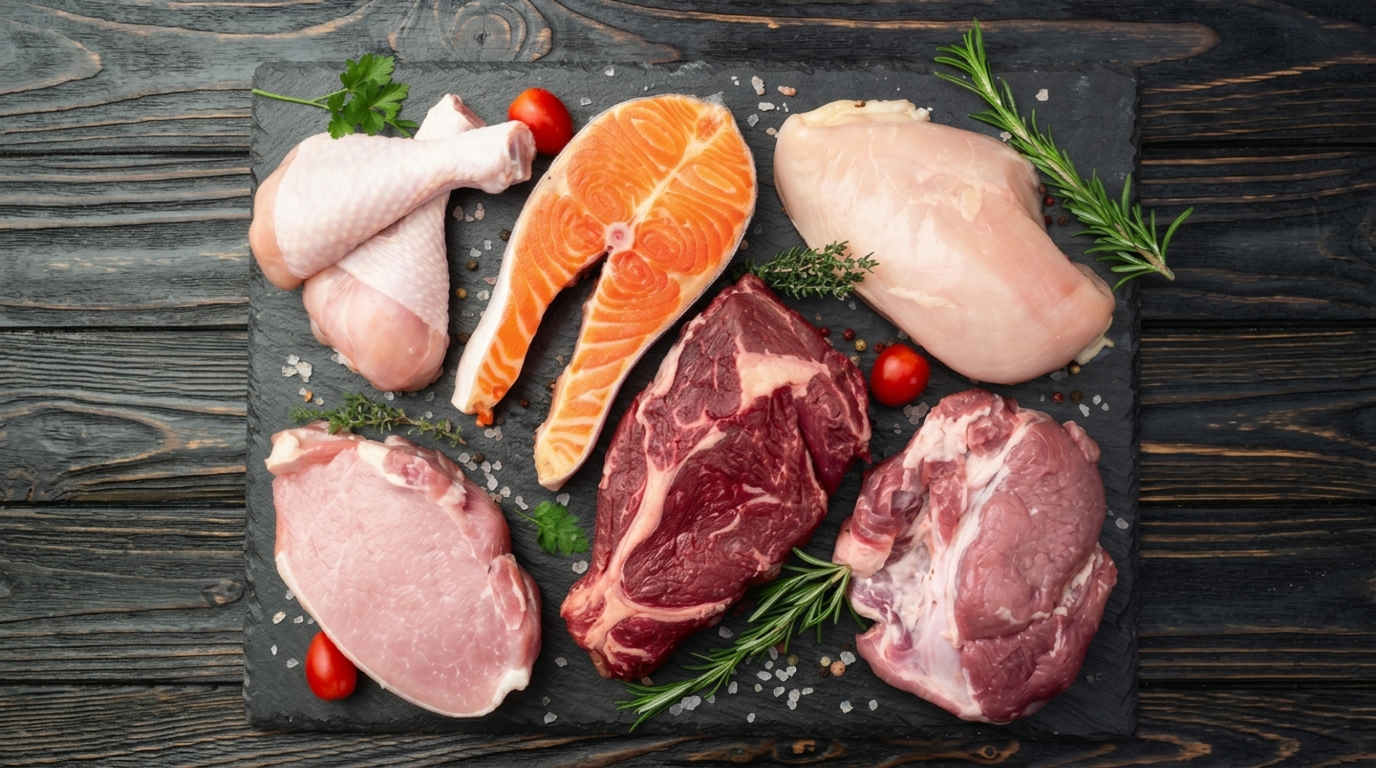
What happens when you remove almost all plant foods from your plate and eat mainly meat, fish, and eggs? That is the idea behind the carnivore diet, an eating trend that has sparked curiosity among people exploring weight management and different approaches to nutrition. But is an all-meat eating pattern as simple as it sounds?
What Is the Carnivore Diet?
Imagine planning every meal around animal foods while leaving fruits, vegetables, grains, and beans off the menu. That is the basic idea behind this eating pattern.
The carnivore diet focuses on foods such as meat, fish, eggs, and sometimes dairy. Unlike eating plans that include a mix of plant and animal foods, it removes most or all plant-based options. In contrast, a varied diet can include vitamin K-rich foods such as leafy green vegetables.
People may try it because they prefer simple food choices or want to explore a low-carbohydrate approach. However, simplicity does not automatically mean nutritional balance, and the long-term effects of following this restrictive pattern remain uncertain.
Which Foods Are Allowed and Excluded?
The carnivore diet food list is relatively short, although the exact rules vary. Some versions allow dairy, while stricter versions focus almost entirely on meat, fish, and eggs.
Foods commonly included:
-
Beef, lamb, pork, and other meats
-
Chicken, turkey, and other poultry
-
Fish and seafood
-
Eggs
-
Butter, animal fats, and selected dairy products, depending on the version
-
Water
Foods generally excluded:
-
Fruits and vegetables
-
Rice, bread, oats, and other grains
-
Beans, lentils, and other legumes
-
Nuts and seeds
-
Most plant-based oils and sugary foods
Fruits and vegetables are excluded from strict versions of this diet, even though they contribute important nutrients to a varied eating pattern. You can learn more about vitamin B12 vegetables and fruits and their nutritional role.
A sample carnivore diet menu might include eggs for breakfast, beef for lunch, and salmon for dinner. Although the choices may seem straightforward, eating the same types of foods repeatedly can make variety difficult.
Potential Health Gains From the Carnivore Diet
Why are some people attracted to an eating pattern with so few food choices? The answer often involves fullness, convenience, and changes they notice in their daily routines. However, reported experiences are not proof of long-term health benefits.
Potential effects include:
-
Greater fullness: Meat, fish, and eggs provide protein, which can help people feel satisfied after meals.
-
Changes in body weight: Removing many snack foods and carbohydrate-rich options may reduce overall calorie intake for some people.
-
Simpler meal preparation: A limited menu can make shopping and cooking feel more predictable.
-
Changes in blood sugar: Eating fewer carbohydrates may influence blood glucose patterns, although individual responses differ.
-
Protein intake: Animal foods provide protein and vitamin B12. Learn more about vitamin B12 foods and their nutritional value.
These possible effects may sound appealing, but the bigger picture matters. Overall digestive health, heart health, energy levels, and long-term well-being depend on many factors.
The Downsides of an All-Meat Diet
A menu built almost entirely around animal foods comes with trade-offs. What disappears from the plate may matter just as much as what remains.
Possible concerns include:
-
Bowel changes: Removing fiber-rich foods may contribute to constipation or changes in bowel habits.
-
Cholesterol changes: A diet high in saturated fat can raise LDL cholesterol in some people, depending on food choices and individual response.
-
Limited food variety: Excluding entire food groups reduces the range of ingredients available for everyday meals.
-
Digestive discomfort: Some people may experience stomach discomfort or changes in digestion.
-
Practical challenges: Restaurant meals, family gatherings, and travel can become harder to navigate.
Restricting food choices may also affect nutrient intake. Although meat and other animal foods provide vitamin B12, vitamin B12 deficiency can occur when the body does not get or absorb enough of this essential nutrient.
The results of carnivore diet weight loss efforts also vary. Some people may lose weight, but this is not guaranteed. Early scale changes can include water loss, and long-term outcomes depend on factors such as overall energy intake and individual habits.
Which Nutrients May Be Missing?
Animal foods provide important nutrients, including protein, vitamin B12, iron, and zinc. However, excluding plant foods can make it harder to obtain adequate amounts of other nutrients and dietary components.
Pay particular attention to:
-
Fiber: Found in whole grains, legumes, fruits, vegetables, nuts, and seeds; it supports regular bowel movements.
-
Vitamin C: Available in many fruits and vegetables, although some animal foods contain small amounts.
-
Folate: Found in leafy greens, beans, and other foods.
-
Magnesium: Present in nuts, seeds, legumes, whole grains, and leafy vegetables.
-
Potassium: Found in foods such as potatoes, beans, fruits, and vegetables.
Although eggs provide protein and several essential nutrients, as explained in this guide to egg nutrition and health benefits, they do not provide enough fiber to replace the plant foods excluded from this diet.
The exact nutritional gaps depend on food choices and individual needs. Still, eating plenty of meat does not automatically guarantee that every nutritional requirement is met.
How Strong Is the Scientific Evidence?
Popular eating trends can attract attention faster than researchers can establish their long-term effects. That is an important distinction when evaluating this diet.
Research specifically examining the carnivore diet benefits remains limited. Much of the information available comes from personal reports, observational research, or studies of other low-carbohydrate diets.
The keto carnivore diet is sometimes compared with a ketogenic diet because both may greatly restrict carbohydrates. However, ketogenic eating plans can include low-carbohydrate vegetables, nuts, and seeds, while strict carnivore versions exclude these foods.
More long-term research is needed to understand potential effects on cholesterol, digestion, kidney function, and overall nutritional status.
Who Should Approach This Diet With Caution?
A highly restrictive eating pattern may not be suitable for everyone. Particular caution is important for:
-
Children and teenagers who are still growing
-
People who are pregnant or breastfeeding
-
People with kidney conditions or concerns about cholesterol
-
Anyone with a history of disordered eating
-
People with increased nutritional needs
People should also pay attention to other health concerns that may affect their well-being. For example, knowing the symptoms of chikungunya can help readers recognize common signs of this mosquito-borne illness.
A varied eating pattern generally offers more opportunities to obtain nutrients from different food groups. Individual needs should be considered before making major dietary changes.
Conclusion
The carnivore diet attracts attention for its simple rules, meat-focused meals, and reported changes in appetite or body weight. However, potential benefits must be weighed against nutritional gaps, possible side effects, and limited long-term evidence. Looking beyond the trend can help you make a more informed decision about your eating habits.
Frequently Asked Questions
1. Is the carnivore diet the same as keto?
No. Both can restrict carbohydrates, but ketogenic diets may include plant foods, whereas strict carnivore versions focus on animal foods.
2. What is a typical carnivore diet meal plan?
A carnivore diet meal plan may include eggs at breakfast, beef or chicken at lunch, and fish or another meat at dinner. The available variety is much narrower than in a balanced eating pattern.
3. Are there carnivore diet recipes for beginners?
Simple meal ideas may include grilled fish, roasted chicken, plain beef patties, or scrambled eggs. Ingredients depend on the version followed and any individual dietary requirements.
4. What does carnivore diet before and after mean?
It usually describes changes people report after starting the diet, such as changes in body weight or eating habits. Individual experiences do not prove that the diet is safe or effective over the long term.
References:
- https://pmc.ncbi.nlm.nih.gov/articles/PMC12845189/
- https://health.clevelandclinic.org/the-carnivore-diet
0 200


No Comments