
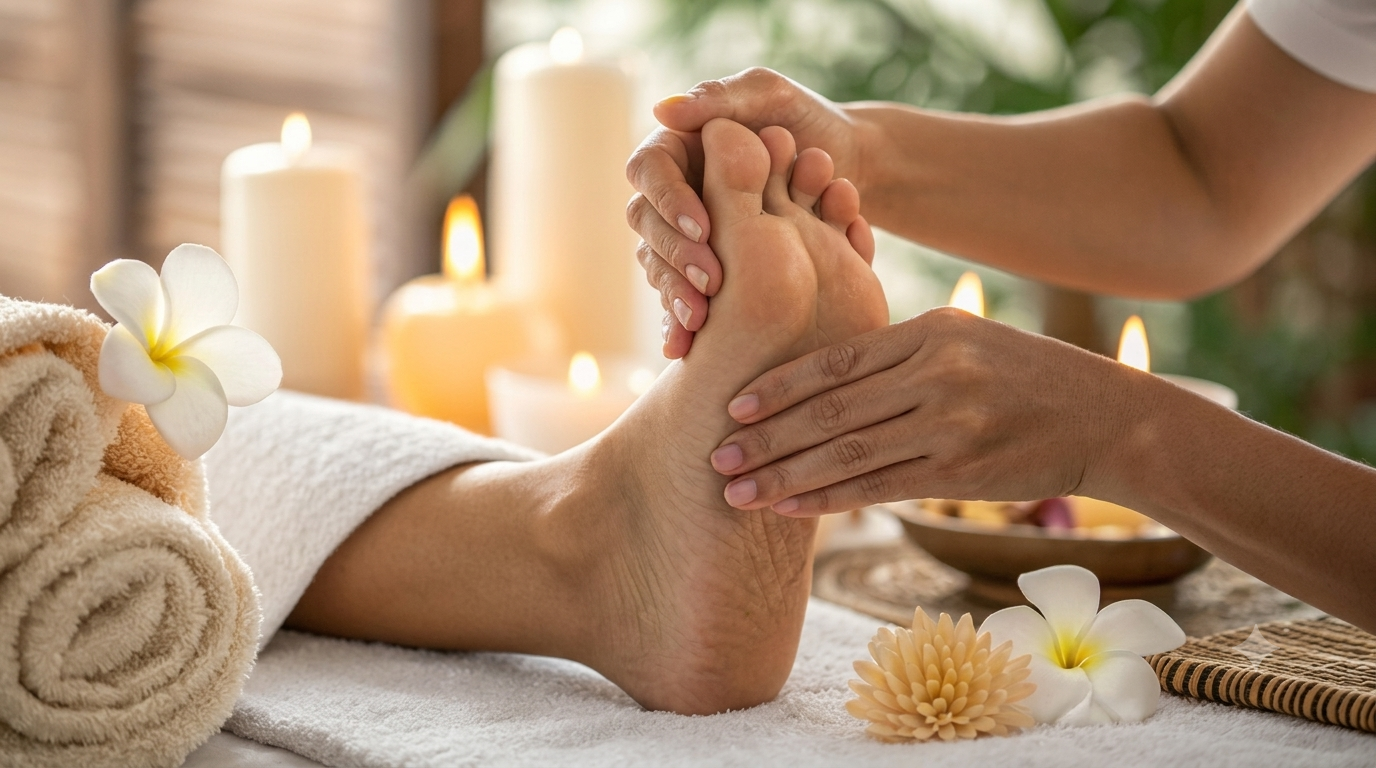
A Reflexology Chart Foot guide shows how traditional reflexology divides the feet into zones associated with different body areas. From the toes to the heel, each section has a traditional meaning. But what does each foot point represent?
A feet reflexology chart makes these pressure-point locations easier to understand and follow.
What Is a Foot Reflexology Chart?
A foot reflexology chart is a visual guide that shows different areas of the feet and their traditional associations with parts of the body. Reflexology is based on the idea that applying pressure to specific points on the feet may promote relaxation and general well-being.
A typical chart includes the toes, ball, arch, heel, and outer edges of the feet. These areas are divided into zones that reflexology practitioners traditionally associate with different body regions.
Unlike an ordinary foot diagram, a reflexology chart focuses on pressure points and their traditional meanings.
How to Read a Reflexology Chart Foot
Understanding a reflexology chart becomes easier when you know how the foot is divided. A reflexology chart feet provides a visual guide to these traditional zones.
-
Toes: Traditionally associated with the head and neck areas.
-
Ball of the foot: Commonly linked with the chest and upper body.
-
Arch: Traditionally associated with digestive organs.
-
Heel: Often connected with the lower body and pelvic region.
-
Outer edge: Commonly linked with the arms, shoulders, and hip areas.
When looking at a reflexology chart foot illustration, remember that the exact locations and associations can differ between reflexology traditions.
What Do Different Foot Zones Represent?
In foot reflexology therapy, different foot zones are traditionally associated with specific body areas. A reflexology chart helps identify these locations.
A feet reflexology chart helps readers understand these traditional pressure-point location
Here are some commonly shown associations:
-
Head and brain: The toe areas are traditionally associated with the head.
-
Neck and shoulders: The base of the toes is commonly linked with the neck and shoulder regions.
-
Chest and lungs: The ball of the foot is traditionally associated with the chest.
-
Stomach and intestines: The middle arch is commonly linked with digestive areas.
-
Lower back and pelvis: The heel is traditionally associated with the lower body.
These are traditional associations, not scientifically established connections to internal organs.
Reflexology Points From Toes to Heel
A traditional foot reflexology point chart provides a closer look at the different areas of each foot.
Here is a simple breakdown:
1. Toes
The toes are traditionally associated with the head, brain, and sinus areas. Some reflexology charts also show individual toe zones.
2. Ball of the Foot
This rounded area beneath the toes is commonly associated with the chest, lungs, and upper body.
3. Arch of the Foot
The arch contains several traditionally mapped zones associated with the stomach, liver, kidneys, and intestines.
4. Heel
The heel is generally associated with the lower back, pelvic region, and lower body.
These traditional foot maps can help beginners understand how reflexology divides the feet into different sections.
Left Foot vs. Right Foot: What’s Different?
Traditional reflexology charts show some differences between the left and right feet. Each side has zones associated with different body areas.
A foot reflexology chart right foot typically shows traditional associations with the right side of the body, while the left chart represents the opposite side.
Some commonly described differences include:
-
Liver: Traditionally mapped on the right foot.
-
Spleen: Traditionally mapped on the left foot.
-
Heart: Commonly shown on the left foot.
-
Paired organs: May appear on both feet.
These placements can vary across reflexology systems. A foot reflexology chart left foot helps illustrate the traditional zones on the left side.
How Is Foot Reflexology Traditionally Practiced?
Traditional reflexology uses gentle pressure on selected foot reflexology points with the fingers, thumbs, or hands.
A typical session includes:
-
Warming the feet with a light massage.
-
Applying gentle pressure to selected zones.
-
Using circular thumb movements.
-
Finishing with relaxing strokes.
Female foot massage pressure points follow similar traditional mappings to other adult foot charts. Gentle foot care is also important when dealing with discomfort, and these heel pain remedies cover common ways to manage heel pain.
Benefits of Foot Reflexology
A female foot reflexology chart shows traditional pressure-point zones that people may explore during foot massage. Gentle reflexology may offer some general wellness benefits, such as:
-
Relaxation: Helps create a calming experience.
-
Stress relief: Supports a relaxing self-care routine.
-
Foot comfort: May ease feelings of tiredness.
-
Body awareness: Encourages attention to foot comfort.
These benefits are mainly associated with relaxation. Reflexology has not been proven to improve the function of specific internal organs.
Who Should Be Careful With Foot Reflexology?
Although gentle foot massage is comfortable for many people, extra care is important if you have:
-
Open cuts, wounds, or skin infections.
-
Swelling or unexplained foot pain.
-
Recent foot injuries or fractures.
-
Reduced foot sensation or circulation concerns.
If you experience heel discomfort, these heel pain home remedies may also be relevant to your foot-care routine.
A reflexology foot map male may show traditional pressure-point locations, but avoid applying pressure to painful or injured areas. Massage should always feel comfortable.
Conclusion
From the toes to the heel, each section of a traditional reflexology chart has its own set of associations. Understanding these zones can make the practice easier to follow and help you explore different relaxation techniques. A Reflexology Chart Foot guide is useful for learning about traditional foot mapping, but its associations should not be considered medically proven connections.
Frequently Asked Questions
1. What is a foot reflexology chart used for?
A foot reflexology chart shows traditional pressure-point locations and their associated body areas. It helps people understand how reflexology divides the feet into different zones.
2. Which part of the foot represents the head?
In traditional reflexology charts, the toes are generally associated with the head, brain, and sinus areas.
3. Are reflexology points the same on both feet?
Many reflexology zones appear on both feet, but some traditional associations differ between the left and right sides.
4. Can foot reflexology help with relaxation?
Gentle foot massage may promote relaxation and provide a calming self-care experience. However, its effects can vary from person to person.
5. How long should you massage each reflexology point?
There is no universally established duration for each point. Gentle pressure for a comfortable period is generally preferred, without causing pain or discomfort.
No Comments