
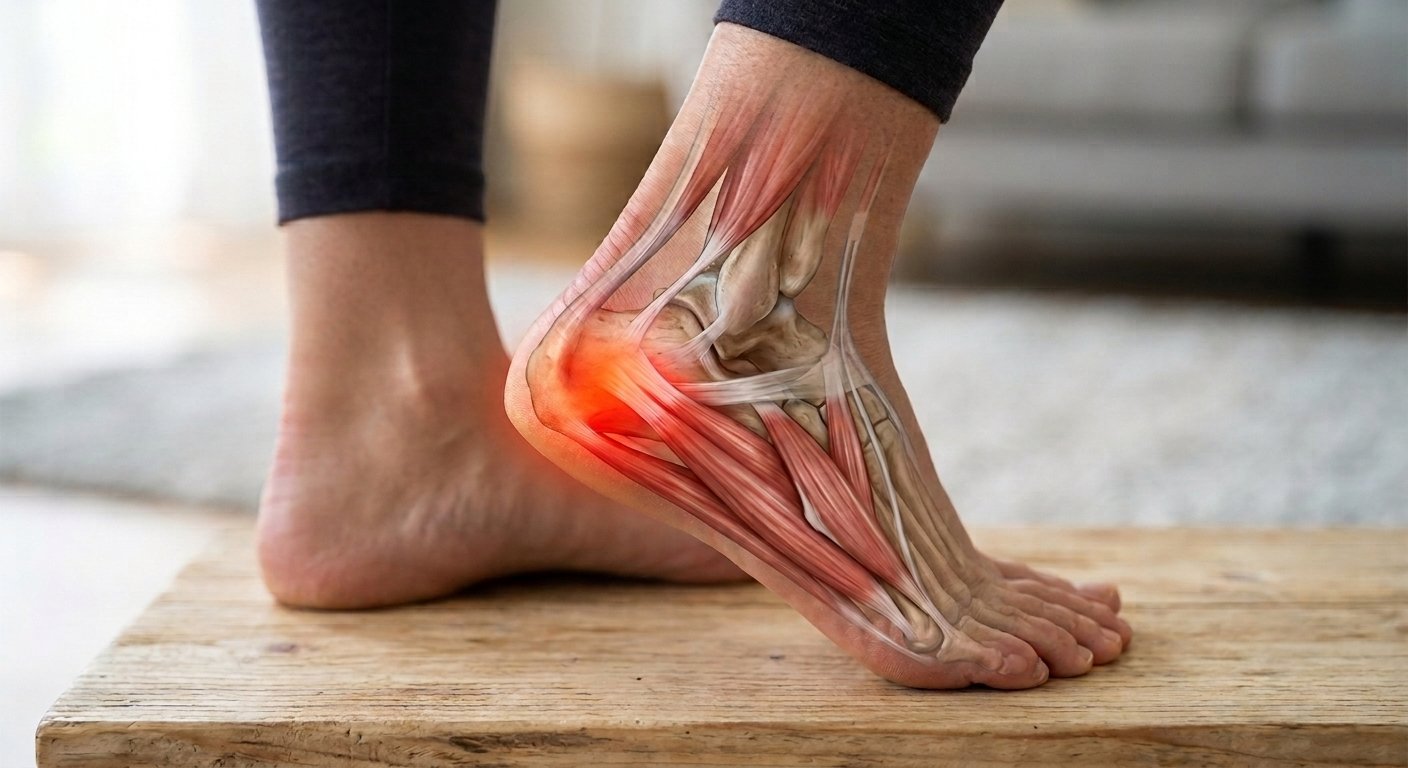
Heel Pain can make simple activities such as walking, standing, exercising, or getting out of bed feel uncomfortable. It may appear after a long day on your feet, after exercise, or first thing in the morning. While the reason is not always the same, understanding the possible trigger can help you choose suitable ways to manage discomfort at home.
From gentle stretches to footwear changes, several simple habits may support better comfort and movement. But first, it helps to understand what may be causing the problem.
Heel Pain Every Morning? Here’s What Could Be Causing It
Morning discomfort around the heel is fairly common, particularly when the first few steps after getting out of bed feel painful or stiff. One possible cause of heel pain in foot is irritation or strain involving the tissues supporting the bottom of the foot.
Other possible reasons include spending long periods standing, sudden increases in physical activity, unsupportive footwear, tight calf muscles, or repeated pressure on the heel.
Common heel pain causes of discomfort may include:
-
Plantar fascia irritation
-
Overuse from walking, running, or standing
-
Tight calf or foot muscles
-
Poorly supportive shoes
-
Repetitive impact on hard surfaces
-
Changes in activity levels
Good nutrition, including vitamin B12 foods, can support normal muscle and nerve function. The location and timing of the discomfort can provide useful clues about what may be contributing to it.
Can Plantar Fasciitis Explain Your Heel Pain?
You may wonder, what is plantar fasciitis when you experience pain underneath your heel. Plantar fasciitis involves irritation of the plantar fascia, a strong band of tissue running along the bottom of the foot.
Typical plantar fasciitis symptoms can include pain near the heel, stiffness after resting, and discomfort that may be strongest during the first few steps in the morning.
Not every painful heel is caused by plantar fasciitis. However, it is one of the conditions commonly associated with pain underneath the foot, especially when discomfort is linked to the first steps after rest.
Which Home Remedies May Actually Help Heel Pain?
A practical heel pain treatment home approach often starts with reducing unnecessary strain while keeping the foot gently mobile. You do not necessarily need complicated routines.
Small adjustments to your routine may help you move around with greater ease.
Try these approaches:
-
Rest from aggravating activities: Temporarily reduce activities that clearly increase discomfort.
-
Use cold therapy: A cold pack wrapped in a cloth may help soothe the area after activity.
-
Choose supportive footwear: Shoes with comfortable cushioning and adequate support may reduce pressure.
-
Avoid prolonged standing: Take regular breaks if your routine requires you to stand for long periods.
-
Keep movements gentle: Avoid suddenly increasing running, jumping, or other high-impact activities.
Aloe vera is also commonly explored as a natural self-care ingredient, and you can learn more about 10 aloe vera benefits.
These approaches are intended to support comfort rather than replace attention to an ongoing or worsening problem.
Can Stretching Really Help With Heel Pain?
Gentle heel stretches can be useful when tight calf and foot muscles contribute to discomfort. Stretching should feel mild rather than sharp or painful.
A simple routine may include:
-
Sit with one leg extended and gently pull the toes toward you using a towel.
-
Stand facing a wall and place one foot behind you, keeping the back heel down.
-
Gently stretch the calf without bouncing.
-
Hold a comfortable stretch for around 20–30 seconds and repeat several times.
Consistency is generally more useful than forcing a deep stretch. Stop if an exercise significantly increases discomfort.
Which Exercises Could Make Heel Pain Easier to Manage?
The relationship between heel pain and exercise depends on the cause and the type of activity. High-impact exercise may temporarily increase symptoms, while gentle strengthening and mobility work may support normal foot function.
Low-impact options can include:
-
Gentle calf raises
-
Controlled foot and ankle movements
-
Walking at a comfortable pace
-
Swimming
-
Cycling with comfortable resistance
If running or jumping clearly increases discomfort, consider temporarily switching to lower-impact activities while maintaining comfortable movement.
Could Your Shoes Be the Reason Your Heel Hurts?
Footwear can influence how much pressure reaches the heel during walking and standing. Very worn-out shoes, thin soles, poor cushioning, or a lack of support may contribute to discomfort.
If heel pain is a frequent part of your day, look for footwear that offers:
-
Comfortable cushioning
-
A stable sole
-
Enough room for your toes
-
Appropriate support for your everyday activities
Replacing heavily worn footwear may be a simple change worth trying.
Are You Unknowingly Making Your Heel Pain Worse?
Your everyday routine can also influence how much stress your feet experience. Spending hours standing, suddenly increasing exercise, or walking long distances without enough recovery may place repeated stress on the feet.
For pain walking on heel, consider taking short sitting breaks, changing positions regularly, and increasing activity gradually rather than suddenly.
It can also help to pay attention to when discomfort appears. Does it happen after exercise, after sitting, first thing in the morning, or after a long day? Recognizing a pattern may help you identify activities that contribute to the problem.
Can Simple Habits Help Keep Heel Pain Away?
Keeping your feet comfortable often comes down to the small choices you make throughout the day. After your symptoms settle, returning too quickly to intense workouts or long periods of standing may put extra stress on your heels.
A few simple habits can help support your feet:
-
Build activity gradually: Increase walking, running, or workouts step by step instead of making sudden changes.
-
Keep your feet flexible: Gentle calf and foot stretches can help maintain comfortable movement.
-
Choose supportive footwear: Replace shoes when they become worn or lose their cushioning.
-
Warm up before exercise: Give your muscles and feet time to prepare before more demanding activities.
-
Take regular breaks: If you spend much of the day standing or walking, allow your feet some time to rest.
-
Allow recovery time: Give your body a chance to recover after intense or prolonged physical activity.
Staying hydrated can also support an active lifestyle, and some people include detox water for weight loss in their daily routine.
These everyday habits can also make it easier to stay active comfortably. Regular movement supports mobility, balance, muscle strength, and overall physical fitness.
Is Heel Pain More Than Just a Foot Problem?
In many cases, discomfort is related to everyday strain or foot mechanics.
If foot pain at the heel continues, becomes intense, gets worse over time, follows an injury, or makes everyday walking difficult, it deserves closer attention.
Some people also search is heel pain a sign of cancer because they are concerned about serious causes. Heel discomfort by itself is not a specific sign of cancer, and common causes are much more typical. The pattern, severity, duration, and other symptoms matter when considering possible causes.
If the pain continues despite reasonable self-care, repeatedly interferes with normal activities, or comes with significant swelling, numbness, weakness, or an injury, getting the problem properly assessed is important.
Conclusion
Heel Pain can interfere with walking, exercise, work, and everyday activities, but simple changes may help improve comfort. Understanding possible heel pain causes, choosing supportive footwear, using gentle stretches, and adjusting high-impact activities can be useful starting points.
If discomfort keeps returning, becomes severe, or significantly affects normal movement, it is important to look beyond temporary remedies and identify what may be contributing to it. A consistent approach to foot comfort, activity, stretching, and recovery can also support healthier movement over time.
FAQ: What Should You Know About Heel Pain?
1. What Usually Causes Heel Pain?
Plantar fascia irritation is a common cause, particularly when discomfort occurs underneath the heel and is worse during the first steps after rest. Other causes include overuse, footwear issues, tight muscles, and repeated impact.
2. What is the best remedy for heel pain at home?
There is no single remedy that works for everyone. Rest from aggravating activities, comfortable footwear, gentle stretching, cold therapy, and gradual return to activity may help depending on the cause.
3. Can stretching help heel pain?
Yes, gentle stretching of the calves and feet may improve flexibility and reduce strain. Avoid forcing stretches or continuing an exercise that causes sharp or worsening discomfort.
4. Can exercise make heel pain worse?
Certain high-impact activities can increase symptoms, particularly when activity levels rise suddenly. Lower-impact movement may be more comfortable while the foot settles.
5. How long can heel pain last?
The duration varies depending on the underlying cause, activity level, and how the foot is managed. Persistent or worsening discomfort deserves further evaluation rather than being repeatedly ignored.
References:
- https://my.clevelandclinic.org/health/symptoms/heel-pain
- https://medlineplus.gov/ency/article/003181.htm
0 200
No Comments