
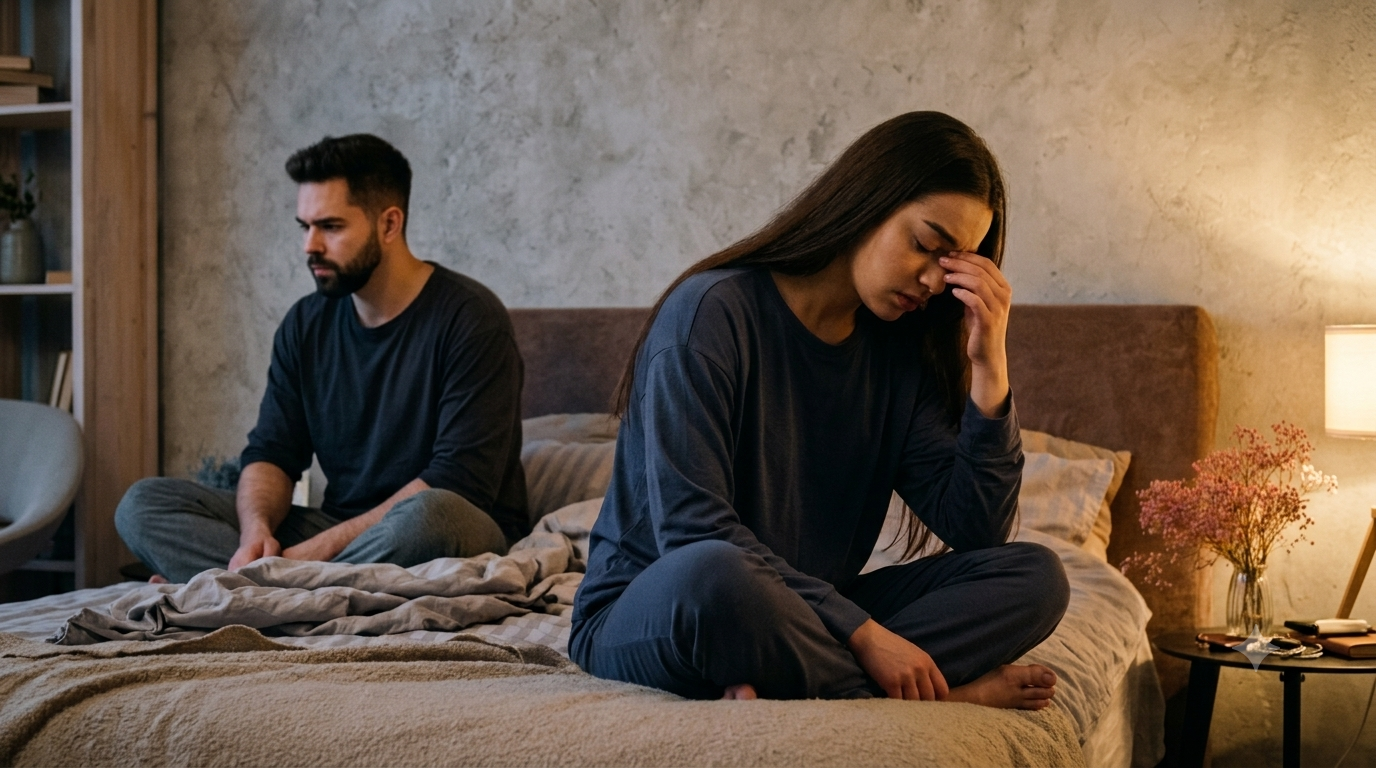
Have you noticed less interest in intimacy than before? Low Sex Drive can be influenced by stress, anxiety, hormonal changes, poor sleep, and everyday lifestyle habits. These changes can affect both men and women at different stages of life.
Sexual desire, commonly called libido, varies from person to person. Understanding what affects it can help you recognize changes and make healthier choices for your overall well-being.
Low Sex Drive: More Than Just a Lack of Desire
The term low sex drive describes a reduced level of interest in sexual activity compared with a person’s usual desire. If you are wondering what libido means, it is simply another term for sexual desire.
The sexual libido meaning is not limited to physical attraction. Emotional connection, personal experiences, energy levels, and mental well-being can also influence interest in intimacy.
A lower libido does not always indicate a problem. Some people naturally have less sexual interest, while others experience temporary changes because of their circumstances.
Hidden Factors That May Lower Your Libido
Several physical and emotional factors can influence sexual desire.
Some of the common reasons include:
-
Stress and anxiety: Everyday pressure and constant worrying can reduce interest in intimacy.
-
Hormonal changes: Fluctuations in estrogen and testosterone may influence sexual desire. Other symptoms of hormonal imbalance may also appear.
-
Poor sleep: Inadequate rest can cause tiredness and affect your mood.
-
Lifestyle habits: Limited exercise, excessive alcohol consumption, and unbalanced eating habits may affect overall wellness.
-
Relationship concerns: Emotional distance and unresolved disagreements can influence intimacy.
-
Physical discomfort: Uncomfortable intimate experiences may reduce interest in sexual activity.
How Stress and Anxiety Affect Sexual Desire
Stress and anxiety can influence how your mind and body respond to intimacy. When your thoughts are occupied with responsibilities and worries, sexual interest may become less important.
Here are some possible effects:
-
Mental distraction: Constant worrying can make it difficult to focus on intimate moments.
-
Emotional exhaustion: Ongoing pressure may leave you feeling mentally drained.
-
Sleep problems: Anxiety can disturb your sleep and reduce your energy.
-
Relationship tension: Stress may contribute to misunderstandings and emotional distance.
Simple relaxation habits can support emotional wellness. Activities such as walking, deep breathing, and the benefits of meditation may help you manage everyday pressure.
Low Sex Drive in Men vs. Women
Men and women can both experience shifts in sexual interest, but the reasons behind these changes are not always the same.
Low sex drive in men
Male low sex drive may be associated with:
-
Changes in testosterone levels
-
Ongoing stress and anxiety
-
Poor sleep and fatigue
-
Relationship difficulties
-
Unhealthy lifestyle habits
Men might experience differences in their energy, emotional state, and interest in physical closeness.
Low sex drive in women
Women’s low sex drive may be influenced by:
-
Menstrual cycle changes
-
Pregnancy and breastfeeding
-
Menopause-related hormonal changes
-
Emotional stress
-
Relationship concerns
-
Discomfort during intimacy
Low libido in women can occur at different life stages. Neither men nor women have one fixed level of normal sexual desire.
Signs Your Libido May Be Changing
Changes in sexual interest can happen gradually or unexpectedly. Some common signs include:
-
Less interest in sexual activity than usual
-
Fewer thoughts about intimacy
-
Reduced interest in physical affection
-
Avoiding intimate situations
-
Difficulty feeling emotionally connected
-
Changes in desire affecting your relationship
Physical discomfort can also influence sexual interest. For example, pain during sex may make intimacy less comfortable for some people.
Natural Ways to Increase Libido
Wondering how to increase libido naturally? Building healthy daily habits may support your energy, mood, and overall sexual well-being.
1. Manage stress: Try breathing exercises, meditation, or relaxing activities to reduce everyday pressure.
2. Eat a balanced diet: Include fruits, vegetables, whole grains, nuts, seeds, and protein-rich foods.
3. Stay physically active: Walking, cycling, swimming, and other enjoyable activities can support fitness and mood.
4. Improve sleep habits: Follow a regular sleep schedule and create a relaxing bedtime routine.
5. Strengthen emotional connections: Spend quality time together and communicate openly about personal needs.
6. Understand personal comfort: Discomfort and intimate experiences can influence desire. Understanding condom side effects can help partners discuss possible irritation and comfort.
People searching for how to increase libido in male adults or how to increase libido in men can start with regular exercise, balanced nutrition, and better sleep.
When Low Sex Drive Needs Attention
It is normal for sexual interest to fluctuate from time to time. However, ongoing changes may deserve attention, particularly when they cause emotional distress or affect relationships.
Eating a variety of nutritious foods helps maintain the body’s overall health. Include protein-rich foods, fruits, vegetables, and vitamin B12 foods in a balanced eating routine.
Pay attention to changes such as:
-
A sudden or unexplained drop in sexual interest
-
Reduced desire that continues over time
-
Ongoing fatigue or mood changes
-
Discomfort during intimacy
-
Changes affecting confidence or relationships
Understanding these patterns can help you make informed choices about your well-being.
Conclusion
Sexual desire can change due to stress, anxiety, hormonal fluctuations, sleep habits, and relationship experiences. Everyone experiences sexual desire differently, and a short-term decrease in interest does not automatically suggest a concern.
Balanced nutrition, regular physical activity, quality sleep, and emotional connection can support overall health. Paying attention to your changing needs is an important part of maintaining a healthy relationship with yourself and your partner.
Frequently Asked Questions
1. Do men and women both experience low sexual desire?
Yes. Both men and women can experience changes in sexual desire due to stress, hormones, age, and lifestyle habits.
2. Can hormonal changes affect sexual desire?
Yes. Changes in estrogen and testosterone may influence libido. Pregnancy, breastfeeding, and menopause can also affect sexual interest.
3. Can insufficient sleep affect sexual interest?
Yes. Not getting enough rest may contribute to exhaustion, reduced energy, and mood changes that influence sexual desire.
4. What are some natural ways to support libido?
Staying active, eating nutritious meals, getting restful sleep, managing daily stress, and maintaining open communication can support sexual health.
References:
- https://my.clevelandclinic.org/health/diseases/15216-low-libido-low-sex-drive
- https://www.mayoclinic.org/diseases-conditions/low-sex-drive-in-women/symptoms-causes/syc-20374554

No Comments