

Ovarian cancer is a serious health condition that affects the female reproductive system, specifically the ovaries. It is often called the “silent killer” because its early symptoms can be vague and easily mistaken for other common conditions. Understanding the symptoms of ovarian cancer, recognizing the signs of ovarian cancer, and knowing about available treatments are critical for early detection and improved outcomes.
What is Ovarian Cancer?
Cancer is a type of malignancy that originates in the ovaries, the organs responsible for producing eggs and hormones such as estrogen and progesterone. Also referred to as cancer of the ovaries, this condition can develop without noticeable symptoms in its early stages, which is why regular check-ups and awareness of cancer signs and symptoms are essential.
The ovarian disease can occur in women of any age, but it is most commonly diagnosed in women over 50. Risk factors include a family history of ovarian or breast cancer, genetic mutations such as BRCA1 and BRCA2, age, and certain reproductive history factors.
Symptoms of Ovarian Cancer
Recognizing symptoms of cancer early can make a significant difference in treatment outcomes. Common ovarian cancer symptoms include:
-
Abdominal bloating or swelling – Persistent bloating that does not go away is often one of the first signs of ovarian cancer.
-
Pelvic or abdominal pain – Persistent discomfort or aching in the lower abdomen or pelvic region.
-
Changes in bowel habits – Constipation, diarrhea, or frequent urges to urinate may appear.
-
Loss of appetite or feeling full quickly – Many women notice decreased appetite or unexplained weight changes.
-
Fatigue – Persistent tiredness not relieved by rest can be a warning sign.
-
Back pain – Especially lower back discomfort that is not linked to physical activity.
-
Unexplained weight loss or gain – Changes in body weight without diet or exercise modifications.
These are the most common symptoms of cancer, but the exact manifestation can vary. Some women may experience only mild discomfort or non-specific symptoms. That’s why paying attention to subtle changes in the body is critical.
My First Symptoms of Ovarian Cancer
Many women report their first symptoms of ovarian cancer as abdominal bloating, fatigue, or irregular periods. These early signs are often overlooked because they resemble other common health issues like indigestion or hormonal changes. Early detection is key, so if you notice persistent changes, consult a healthcare professional.
Ovarian Cancer Markers
Doctors often use blood tests to detect cancer markers, such as CA-125, which may indicate the presence of the disease. While not all ovarian cancers produce elevated CA-125 levels, this test is an important part of diagnosis and monitoring treatment effectiveness. Imaging tests like ultrasounds, CT scans, and MRI can also help identify abnormal growths in the ovaries.
Treatment of Ovarian Cancer
Treatment options depend on the stage of the cancer, overall health, and patient preferences. Common cancer treatment options include:
-
Surgery – Often the first line of treatment, surgery may involve removing one or both ovaries, fallopian tubes, and sometimes the uterus.
-
Chemotherapy – Medications are used to kill cancer cells, either before surgery to shrink tumors or after surgery to eliminate remaining cells.
-
Targeted therapy – Medications designed to attack specific genetic mutations or molecular pathways in cancer cells.
-
Radiation therapy – Less common but may be used in specific cases to reduce tumor growth.
Early detection improves the ovarian cancer survival rate, highlighting the importance of recognizing ovarian cancer signs and symptoms as soon as they appear.
Ovarian Cancer Prognosis
The ovarian cancer prognosis depends on the stage at diagnosis, the patient’s overall health, and how well the cancer responds to treatment. Early-stage ovarian cancer has a higher survival rate, whereas late-stage diagnosis can be more challenging. Advances in treatment, including targeted therapy and improved surgical techniques, have gradually improved outcomes for patients with cancer.
Common Ovarian Cancer Signs and Symptoms
To summarize, the most common cancer signs and symptoms include:
-
Persistent bloating or abdominal swelling
-
Persistent discomfort or aching in the lower abdomen and pelvic region
-
Changes in urinary or bowel habits
-
Fatigue and unexplained weight changes
-
Loss of appetite or feeling full quickly
-
Back pain or discomfort
Monitoring these symptoms of cancer is crucial for timely diagnosis. Women with a family history or genetic predisposition should have regular screenings and discuss cancer markers with their healthcare provider.
Importance of Awareness
Awareness of cancer of the ovaries signs can save lives. Many women delay seeking medical attention because early symptoms seem minor. Regular gynecological exams, knowledge of personal risk factors, and attentiveness to bodily changes are vital for early detection.
Ovarian Cancer Survival Rate
The cancer survival rate varies by stage:
-
Stage I (localized): Around 90% 5-year survival rate
-
Stage II (spread within pelvis): About 70% 5-year survival rate
-
Stage III (spread to abdomen): Approximately 39% 5-year survival rate
-
Stage IV (distant metastasis): Around 17% 5-year survival rate
Early recognition of cancer symptoms significantly improves these outcomes.
FAQs
1. How can I recognize the first symptoms of cancer?
Early symptoms often include bloating, abdominal discomfort, fatigue, and changes in urinary or bowel habits. Noticing these symptoms early can aid in timely detection.
2. How is cancer diagnosed?
Diagnosis involves a combination of pelvic exams, imaging tests like ultrasound or MRI, blood tests for cancer markers like CA-125, and sometimes a biopsy.
3. Can cancer be prevented?
While there is no guaranteed prevention, regular check-ups, genetic counseling for high-risk individuals, and awareness of early cancer signs and symptoms can aid in early detection and intervention.
4. What is the treatment for cancer?
Treatment options include surgery, chemotherapy, targeted therapy, and sometimes radiation therapy. The approach depends on cancer stage, overall health, and patient preferences.
5. What is the prognosis for cancer?
The cancer prognosis depends on the stage at diagnosis. Early-stage cancer has a much higher survival rate, emphasizing the importance of recognizing symptoms of cancer early.
Reference
https://www.mayoclinic.org/diseases-conditions/ovarian-cancer/symptoms-causes/syc-20375941
https://my.clevelandclinic.org/health/diseases/4447-ovarian-cancer
https://medlineplus.gov/ovariancancer.html
0 200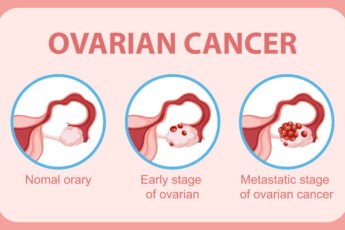
No Comments