
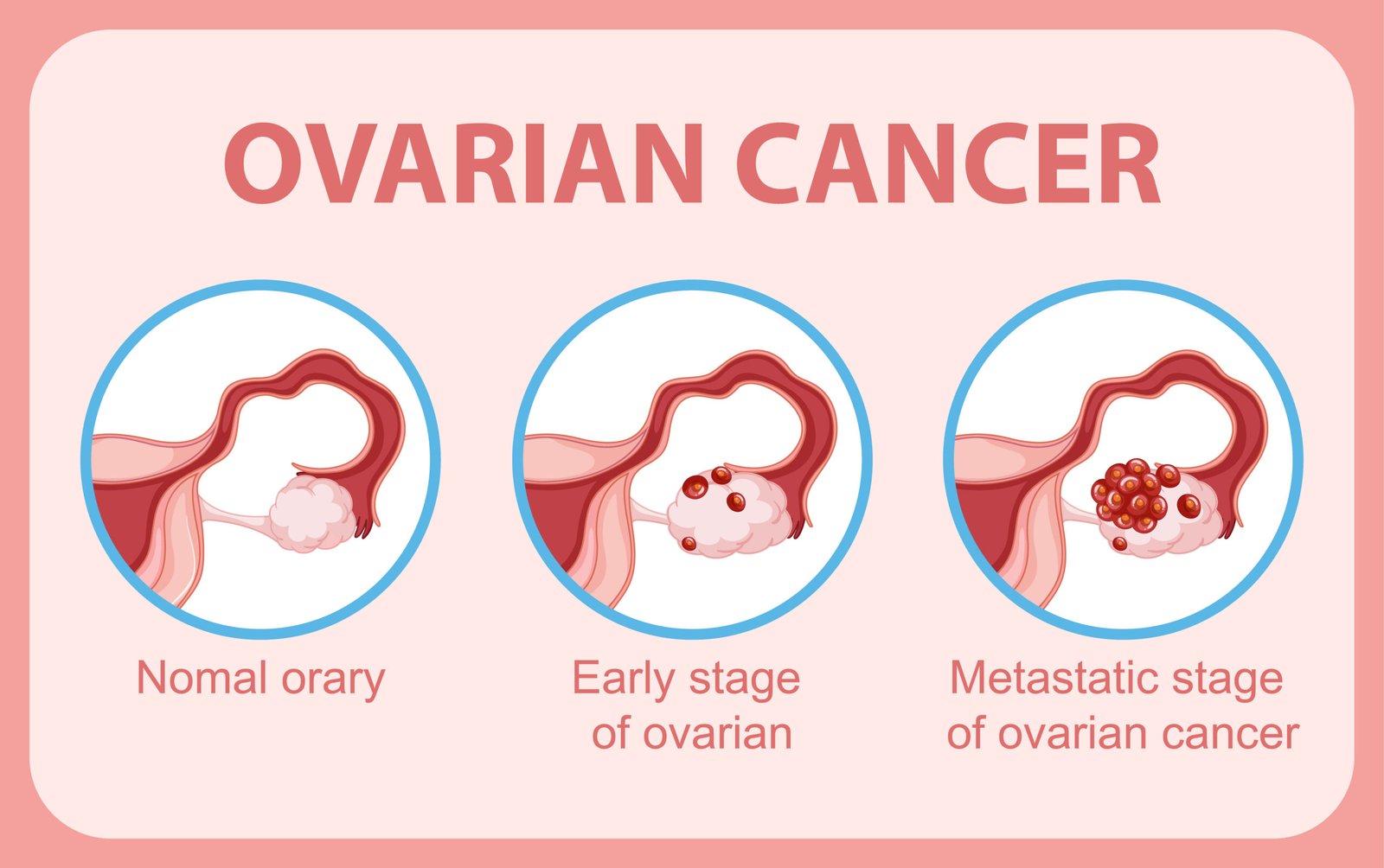
A hysterectomy is often performed to treat conditions such as fibroids, endometriosis, heavy bleeding, or certain cancers involving the uterus. However, many people assume that removing the uterus eliminates all risks of reproductive cancers. In reality, ovarian cancer can still occur after a hysterectomy, depending on whether the ovaries were removed during surgery. Understanding this risk is important for early detection and timely treatment.
Understanding Ovarian Cancer Meaning
The ovarian cancer meaning refers to the abnormal and uncontrolled growth of cells in the ovaries, which are part of the female reproductive system. The Ovaries produce eggs along with hormones such as estrogen and progesterone. When these cells mutate and grow uncontrollably, they can form tumors that may spread to other parts of the body if not treated early.
Where Does Ovarian Cancer Start and Where Is It Located?
To understand the condition better, it is important to know where the germ cell tumor starts and where it is located. It typically begins in the ovaries, but research shows it may also start in the fallopian tubes or even the lining of the abdomen in some cases. The ovaries are situated on both sides of the uterus in the lower abdomen.
Even after a hysterectomy, if one or both ovaries are left intact, the risk of developing a germ cell tumor remains. In rare cases, ovarian-like cells can still be present in the pelvic or abdominal area, which may also lead to cancer development.
Can Ovarian Cancer Still Happen After Hysterectomy?
Because of this, it is important to understand the early warning signs of germ cell tumors and monitor any unusual changes in the body.
Ovarian Cancer Symptoms and Stages
The germ cell tumor symptoms and stages vary depending on how early the disease is detected.
In stage 1 ovarian cancer, symptoms and signs are often mild and may include:
- Bloating or abdominal discomfort
- Feeling full quickly when eating
- Mild pelvic pain
- Frequent urination
These symptoms are often mistaken for digestive issues, which makes early detection difficult.
As the disease progresses, symptoms become more noticeable and may include:
- Persistent abdominal swelling
- Weight loss or gain without reason
- Fatigue
- Back pain
- Changes in bowel habits
What Are Symptoms of Ovarian Cancer?
Many people ask what symptoms of germ cell tumors are or what germ cell tumor symptoms are in general. Common signs include persistent bloating, pelvic pain, difficulty eating, and urinary urgency. These symptoms tend to occur often and persist, unlike typical digestive discomfort that usually resolves on its own.
Another important sign is a germ cell tumor lump, which may be felt during a pelvic exam or imaging tests. However, lumps are not always detectable in early stages.
How to Recognize Ovarian Cancer
If you are wondering how to know if you have a germ cell tumor, it is important to pay attention to persistent and unusual symptoms. Because early signs are often vague, many people do not realize something is wrong until the cancer progresses.
Medical evaluation is necessary if symptoms persist for more than a few weeks. Doctors may recommend imaging tests and blood tests to confirm the suspicion.
How Is Ovarian Cancer Diagnosed?
Many patients ask how a germ cell tumor is diagnosed. Diagnosis typically involves a combination of methods:
- Pelvic examination to check for abnormalities
- Ultrasound imaging to detect masses
- Blood tests, such as the CA-125 marker test
- CT or MRI scans for detailed imaging
- Biopsy in some cases for confirmation
These tests help doctors determine the presence, stage, and spread of the disease.
Is Ovarian Cancer Treatable?
A common concern is whether a germ cell tumor is treatable and whether it can be cured. The answer depends on the stage at which it is detected.
When diagnosed early, germ cell tumor is highly treatable through surgery and chemotherapy. In advanced stages, treatment focuses on controlling the spread and improving the quality of life. While not all cases are fully curable, many patients achieve long-term remission with proper treatment.
Ovarian Cancer Risk After Hysterectomy
Even after surgery, understanding symptoms and risks remains important. If ovaries are preserved, regular health check-ups are essential. Women who have undergone a hysterectomy should still report any unusual abdominal or pelvic symptoms to a doctor.
FAQs
1. Can ovarian cancer still occur after a hysterectomy?
Yes, a germ cell tumor can still occur if the ovaries are not removed during the hysterectomy. Even after a full hysterectomy, rare cases may still develop.
2. What is the early warning sign of a germ cell tumor?
The early warning signs of germ cell tumor include bloating, pelvic pain, feeling full quickly, and frequent urination that persists over time.
3. How is a germ cell tumor diagnosed?
Ovarian cancer is diagnosed using pelvic exams, ultrasound, blood tests like CA-125, and imaging scans such as CT or MRI.
4. Is a germ cell tumor treatable?
Yes, germ cell tumor is treatable, especially when detected early. Treatment may involve surgery, chemotherapy, or targeted therapy.
5. What are the symptoms of germ cell tumors in the early stages?
Early symptoms include mild bloating, abdominal discomfort, loss of appetite, and frequent urination, often mistaken for digestive issues.
Reference
https://my.clevelandclinic.org/health/diseases/4447-ovarian-cancer
https://www.mayoclinic.org/diseases-conditions/ovarian-cancer/symptoms-causes/syc-20375941
1 250
Visitor Rating: 5 Stars