
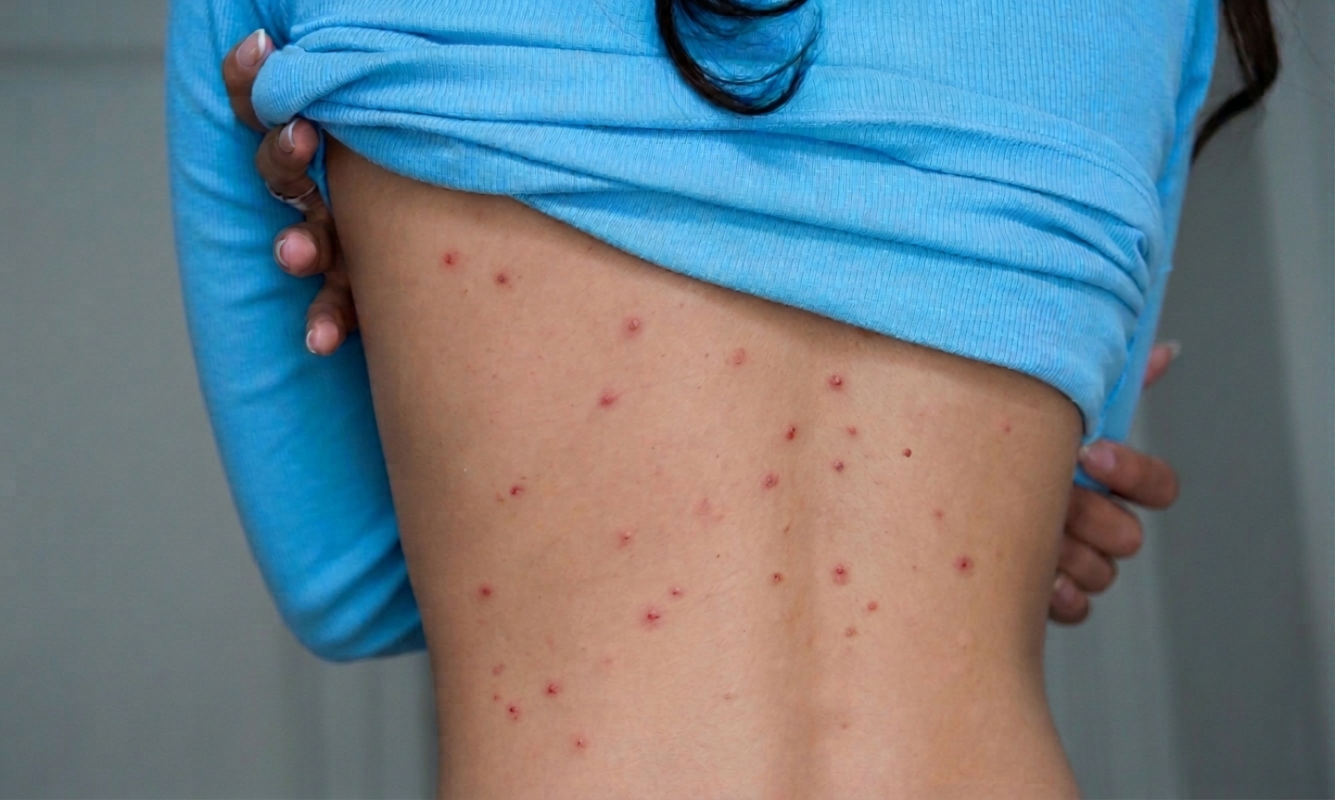
Bed Bug Bites can cause itchy, red marks and skin irritation, especially after a night of sleep. These bites occur when small insects feed on human blood, often while people are resting. Although they can be uncomfortable, understanding their appearance, common symptoms, and causes can help you manage skin reactions more effectively.
Knowing bed bug bites symptoms and learning simple ways to care for irritated skin can make the recovery process more comfortable. This guide explains why bed bugs bite, where their marks usually appear, and how to manage the discomfort at home.
What Do Bed Bug Bites Look Like on Skin?
Bed bug bites often appear as small, red or slightly swollen bumps on exposed areas of the skin. They may occur individually or in clusters, sometimes forming a line or zigzag pattern.
However, their appearance can vary from person to person. Some people develop noticeable marks, while others may have little or no visible reaction. Certain skin conditions and illnesses can also cause similar changes, so it is useful to understand the difference between insect bites and other symptoms, such as chikungunya symptoms.
Common visual characteristics include:
-
Small, reddish or pink bumps.
-
Slight swelling around the affected area.
-
Groups of bites appearing close together.
-
Darker or more noticeable marks on some skin tones.
-
Mild irritation around the bite area.
Understanding what do bed bugs look like on the skin can help you recognize possible bites, although their appearance alone cannot confirm the cause.
Signs and Skin Reactions Caused by Bed Bug Bites
Skin reactions can develop differently depending on individual sensitivity. Some people notice irritation shortly after being bitten, while others may experience a delayed reaction.
Common signs include:
-
Itching: An uncomfortable sensation that may become more noticeable at night.
-
Redness: Small red patches surrounding the affected area.
-
Swelling: Slightly raised bumps or localized puffiness.
-
Skin irritation: Sensitivity or discomfort around the bite marks.
-
Blister-like spots: Small fluid-filled bumps in some individuals.
If you wonder do bed bug bites itch, the answer is yes; itching is one of the most common reactions. However, not everyone experiences it.
Why Do Bed Bugs Bite Humans?
Humans are one of their common food sources, which is why they often become active when people are sleeping.
These insects are attracted to certain human signals, including:
-
Body heat.
-
Carbon dioxide released during breathing.
-
The presence of a nearby host.
They usually hide during the daytime in places such as mattress seams, bed frames, furniture joints, and small cracks. At night, they may come out to feed.
Not every skin irritation or unusual sensation is caused by insect bites. Other health-related factors, including vitamin B12 deficiency, can also be associated with different symptoms and should not be confused with bed bug activity.
Understanding what causes bed bugs to enter living spaces can help you identify possible hiding places and take steps to prevent an infestation.
Where Do Bed Bug Bites Usually Appear?
These bites commonly appear on exposed areas of the body during sleep. Since bed bugs can reach uncovered skin, their marks may occur in several locations.
Commonly affected areas include:
-
Arms and hands.
-
Legs and ankles.
-
Neck and shoulders.
-
Face and cheeks.
-
Back and other exposed areas.
The location of the marks can provide useful clues, but it is not enough to identify bed bugs on its own. Check sleeping areas for other signs, such as tiny dark spots, shed insect skins, or live insects.
How to Treat Bed Bug Bites at Home
If you are looking for how to cure bed bug bites, simple home-care steps may help reduce itching and discomfort. The aim is to soothe irritated skin and avoid further irritation.
Try these practical steps:
1. Clean the affected area
Gently wash the skin with mild soap and water to remove dirt and keep the area clean.
2. Apply a cold compress
Place a clean, cool, damp cloth over the affected area for a few minutes. This may help reduce itching and swelling.
3. Avoid scratching
Scratching can damage the skin and increase the risk of secondary infection. Keep your nails short and avoid rubbing the affected areas.
4. Keep your skin moisturized
Use a gentle, fragrance-free moisturizer if the surrounding skin feels dry or irritated.
5. Consider suitable soothing products
Calamine lotion or other appropriate over-the-counter anti-itch products may help relieve discomfort. Follow the product instructions and check suitability before use.
These steps can support treating bed bug bites at home, but they do not remove the insects from your surroundings.
How Long Does It Take for Bed Bug Bites to Heal?
The recovery period varies depending on skin sensitivity and the severity of the reaction. Mild marks may disappear within a few days, while more noticeable reactions can take one to two weeks or sometimes longer to settle.
You can support skin recovery by:
-
Keeping the affected areas clean.
-
Avoiding scratching and unnecessary friction.
-
Using gentle skin-care products.
-
Wearing comfortable clothing.
-
Following suitable skin-care instructions.
Maintaining a balanced diet is also important for overall health. Including foods that provide essential nutrients, such as those discussed in our guide to vitamin B12 foods, can help support normal body functions.
Remember that healing the skin and eliminating an infestation are two different things. Proper cleaning and pest-control measures are important to prevent repeated bites.
Conclusion
Understanding the appearance, causes, and skin reactions associated with Bed Bug Bites can help you take better care of irritated skin. Simple home-care practices, such as gentle cleansing, cold compresses, and avoiding scratching, may provide relief. Along with proper cleaning and preventive measures, these steps can help protect your skin, support comfortable sleep, and reduce the chances of repeated exposure.
Frequently Asked Questions About Bed Bug Bites
1. Are bed bug bites dangerous?
Most bites cause temporary skin irritation, itching, and redness. However, excessive scratching can damage the skin and increase the risk of infection.
2. How can you identify bed bug bites?
They may appear as small red bumps, often in clusters or lines on exposed skin. However, other insect bites and skin conditions can look similar.
3. Do bed bug bites itch immediately?
Not always. Some people experience itching soon after being bitten, while others develop skin reactions several hours or days later.
4. How many days do bed bug bites last?
Mild reactions may settle within a few days. More noticeable skin reactions can take one to two weeks or longer to disappear.
5. Can bed bug bites spread from person to person?
No. The bites themselves are not contagious. However, bed bugs can spread through infested luggage, clothing, furniture, and other belongings.
References:
- https://www.mayoclinic.org/diseases-conditions/bedbugs/symptoms-causes/syc-20370001
- https://my.clevelandclinic.org/health/diseases/17847-bedbugs
0 200


No Comments