
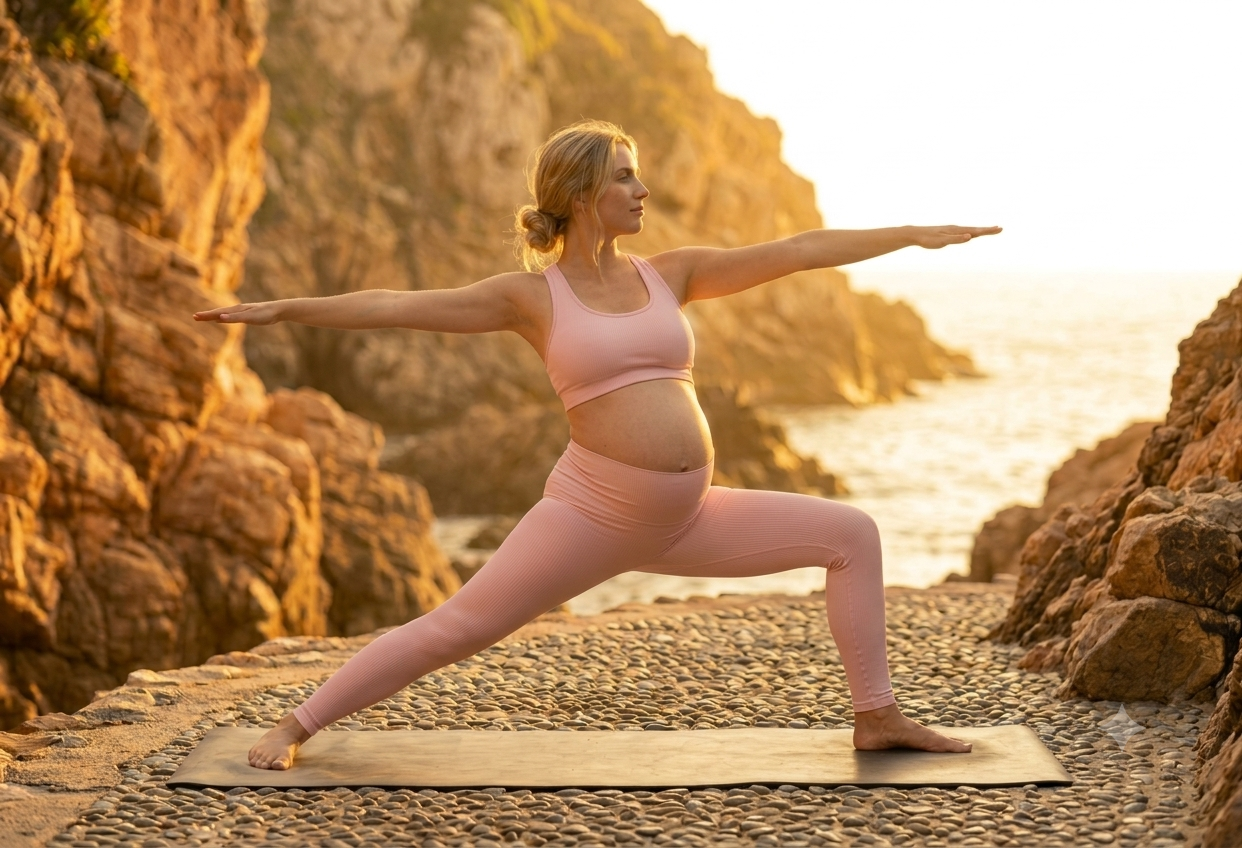
Pregnancy brings many physical changes, and staying active may help you feel more comfortable as your body prepares for childbirth. Choosing suitable Exercises for Normal Delivery can help maintain muscle strength, flexibility, balance, and stamina throughout pregnancy.
Why Are Low-Impact Exercises Helpful During Pregnancy?
Staying active with suitable movements throughout pregnancy may help you maintain your physical comfort and everyday fitness.
A suitable pregnancy exercise routine, combined with balanced eating habits, can support your overall well-being. For more nutritional ideas, explore the benefits of eating sprouts daily as part of a varied diet.
-
Maintains energy and endurance: Regular, comfortable movement may help you manage daily tasks with greater ease.
-
Maintains muscle strength: Appropriate exercises work the muscles used for posture, balance, and movement.
-
Improves flexibility: Gentle stretching may ease muscle tightness and help you move comfortably.
-
Supports emotional well-being: Physical activity may help improve mood and reduce everyday stress.
Although Exercise During Pregnancy may support your overall well-being, choose activities that match your energy level and avoid pushing yourself too hard. The goal is to stay active safely, not to push your body beyond its limits.
7 Pregnancy-Friendly Exercises to Build Strength and Flexibility
These activities may suit many uncomplicated pregnancies, but choose movements according to your comfort and pregnancy stage.
1. Side-Lying Leg Raises
Side-lying leg raises gently engage the muscles around your hips and thighs.
How to do it:
-
Lie on your side on a comfortable mat, keeping your body aligned.
-
Bend your lower leg slightly for support.
-
Slowly lift your upper leg a short distance without rotating your hips.
-
Lower your leg gently and repeat a few times before switching sides.
This gentle exercise for pregnant women can be adapted to your comfort level, but check whether side-lying exercises are suitable for your pregnancy before adding them to your routine.
2. Supported Squats
Supported squats engage the thighs, hips, and buttocks.
How to do it:
-
Stand with your feet about shoulder-width apart.
-
Place your hands on a stable chair or kitchen counter to help steady yourself.
-
Lower your hips gently toward the floor by bending your knees, keeping the movement similar to sitting on a chair.
-
Push through your feet to rise gradually, stopping before the movement becomes uncomfortable.
Move your pelvis gently and avoid exaggerated movements that strain your lower back.
3. Kegel Exercises
A Kegel exercise in pregnancy involves gently tightening and relaxing the pelvic floor muscles. The pelvic floor forms a supportive layer of muscle that helps control bladder and bowel function.
How to do it:
-
Gently contract the muscles you would use to prevent passing gas.
-
Hold briefly while breathing normally.
-
Let the muscles soften completely before attempting another contraction.
-
Repeat a few times without straining.
Avoid regularly practising Kegels by stopping your urine stream. If tightening these muscles causes discomfort or you struggle to release the contraction, pause the exercise and obtain personalised advice.
4. Pelvic Tilts
A gentle pelvic exercise in pregnancy, such as a pelvic tilt, can help you practise controlled pelvic movements and engage your abdominal muscles without unnecessary strain.
How to do it:
-
Stand with your back against a wall and knees slightly bent.
-
Gently tilt your pelvis so your lower back moves closer to the wall.
-
Hold briefly while breathing normally.
-
Relax and repeat several times.
Keep the motion controlled and stay within a comfortable range rather than arching or pressing your back too far.You can also ask about alternative positions if standing becomes difficult.
5. Butterfly Stretch
The butterfly stretch gently works the inner thighs and may help maintain hip mobility.
How to do it:
-
Sit comfortably on a mat or firm cushion.
-
Bring the soles of your feet together.
-
Let your knees move outward naturally.
-
Keep your back upright and breathe comfortably.
Allow your knees to rest naturally and keep the stretch mild instead of trying to increase its depth. This during pregnancy exercise should feel gentle, not painful.
6. Cat-Cow Stretch
The cat-cow movement involves gently changing the position of your spine. It may help ease stiffness and encourage comfortable movement in the back.
How to do it:
-
Position yourself on all fours, aligning your wrists with your shoulders and keeping your knees comfortably apart.
-
Breathe out as you curve your spine upward and let your head move downward naturally.
-
Bring your spine back to its natural alignment, then raise your chest slightly while keeping your lower back relaxed.
-
Repeat slowly while breathing naturally.
Use a padded surface under your knees. Stop if the position causes discomfort or feels unstable.
7. Birthing Ball Hip Circles
Using a birthing ball for a pregnancy exercise with ball routine lets you make small, controlled circles with your hips while sitting comfortably.
How to do it:
-
Position yourself in the middle of the ball, keeping both feet firmly planted and spaced for stability.
-
Sit tall without stiffening your back, and make sure you feel steady before moving.
-
Move your hips slowly in small circles.
-
Reverse the direction if comfortable.
Place the ball on flooring that will not slide, and stay close to a fixed support. Skip the movement if sitting on the ball feels unsteady.
When Is the Best Time to Start Pregnancy Exercises?
The appropriate time depends on your existing activity level, pregnancy stage, and health circumstances. If exercise is new to you, begin with gentle activities only when they are appropriate for your pregnancy.
For many uncomplicated pregnancies, gentle walking and simple mobility exercises can be considered early on. As pregnancy progresses, changes in balance, energy, and comfort may mean modifying your routine.
How Can You Exercise Safely During Pregnancy?
Safe exercise in pregnancy starts with listening to your body and choosing activities that match your abilities.
Keep these practical points in mind:
-
Warm up gently and finish with a gradual cool-down.
-
Drink water before, during, and after activity.
-
Avoid overheating, breath-holding, and movements that risk falling.
-
Use stable support when balancing becomes difficult.
You can explore these vitamin B12 foods to learn more about dietary sources of this important nutrient.
Stop exercising and seek prompt assessment if you experience vaginal bleeding, fluid leakage, chest pain, faintness, unusual shortness of breath, or regular painful contractions.
Conclusion
Suitable Exercises for Normal Delivery can help maintain strength, mobility, stamina, and general well-being during pregnancy. Depending on your pregnancy needs, you may consider activities such as walking, gentle squats, pelvic floor contractions, pelvic movements, stretching, and seated hip rotations.
Your Questions About Staying Active Before Childbirth
1. Which pregnancy-friendly activities can improve flexibility?
The butterfly position, gentle spinal movements, and small pelvic rotations can help you practise comfortable movement during pregnancy. Avoid forcing a stretch or continuing through pain.
2. When should you start exercising during pregnancy?
You can begin gentle activity when it is suitable for your pregnancy. Consider your fitness level, trimester, and any activity restrictions before starting.
3. How much exercise is recommended during pregnancy?
For most people with uncomplicated pregnancies, aim for about 150 minutes of moderate activity per week, divided into shorter sessions as needed.
4. Can regular walking support fitness before childbirth?
Taking regular walks may help you stay active and maintain endurance during pregnancy, although it cannot predict or determine how your delivery will progress.
5. Can you do squats during pregnancy?
Some pregnant women may be able to perform gentle squats while holding a stable support. Keep movements comfortable and avoid them if you have been advised to restrict this activity.
Reference:
- https://www.mayoclinic.org/healthy-lifestyle/pregnancy-week-by-week/in-depth/pregnancy-exercises/art-20546799
- https://pmc.ncbi.nlm.nih.gov/articles/PMC4622376/
0 200


No Comments