
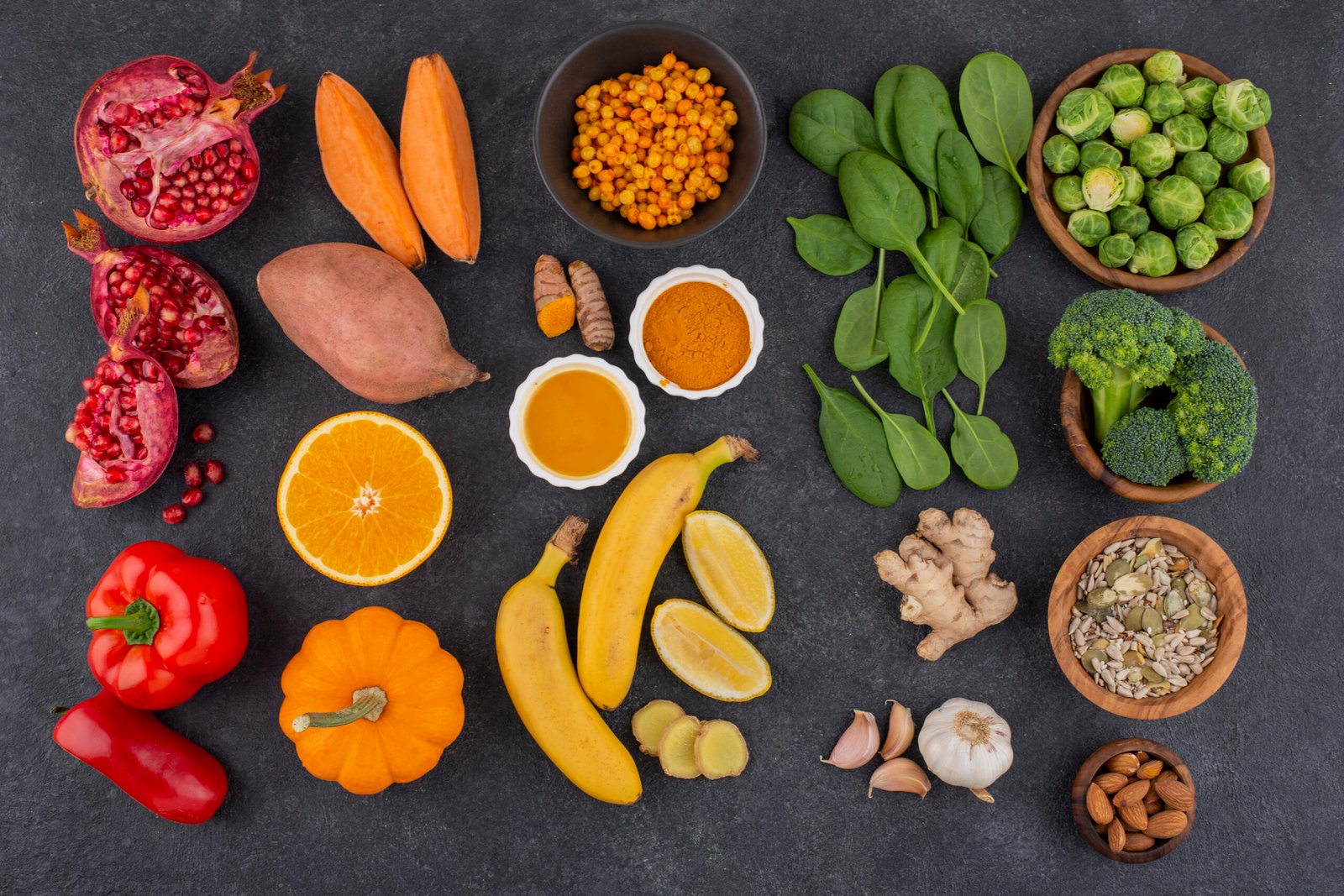
Feeling tired all the time, experiencing frequent dizziness, or becoming short of breath after minimal activity may be more than just the result of a busy lifestyle. These symptoms may sometimes be associated with low hemoglobin levels. Foods for hemoglobin deficiency include spinach, lentils, beans, eggs, and iron-rich fortified cereals that support healthy red blood cell production.
Hemoglobin is an essential protein in red blood cells that carries oxygen from the lungs to tissues throughout the body. When hemoglobin levels drop, the body may not get enough oxygen, which can lead to fatigue, weakness, and reduced energy.
The good news is that a nutritious, well-balanced diet can play an important role in supporting healthy hemoglobin levels. Including the right foods to increase hemoglobin can provide essential nutrients such as iron, folate, vitamin B12, and vitamin C, which are important for healthy red blood cell production and iron absorption.
What Is Hemoglobin?
Hemoglobin is an iron-rich protein found within red blood cells. When hemoglobin levels drop below the normal range, the body may not receive enough oxygen. Its primary role is to carry oxygen from the lungs to tissues throughout the body and transport carbon dioxide back to the lungs, where it is removed through breathing.
Maintaining healthy hemoglobin levels is important for:
-
Delivering sufficient oxygen to cells and tissues
-
Supporting energy production and reducing fatigue
-
Maintaining normal brain function
-
Supporting healthy muscles and vital organs
-
Reducing the risk of anemia
When hemoglobin levels fall below the healthy range, the body may struggle to deliver enough oxygen to its tissues. This can result in symptoms such as tiredness, weakness, reason of dizziness, and shortness of breath. A balanced diet and appropriate medical care can help address low hemoglobin, depending on its underlying cause.
20 Foods to Boost Hemoglobin Naturally
1. Spinach
Spinach provides iron, folate, and vitamin C, making it a nutritious addition to meals. Add it to soups, curries, salads, or smoothies to make your meals more nutritious.
2. Beetroot
Beetroot contains folate and other nutrients that support overall blood health. While beetroot haemoglobin benefits are often discussed, beetroot should not be considered a treatment for anemia by itself.
3. Lentils
Lentils are a good plant-based source of iron, protein, and folate. Make dal, lentil soups, and fresh salads part of your daily diet to get more essential nutrients.
4. Chickpeas
Chickpeas contain iron and folate and can be included in curries, salads, hummus, or roasted snacks.
5. Beans
Kidney beans, black beans, and other varieties provide iron, protein, and several nutrients involved in red blood cell production.
6. Pumpkin Seeds
Pumpkin seeds are rich in iron and can be eaten as a snack or added to oatmeal, salads, and smoothies.
7. Sesame Seeds
Sesame seeds contain iron and other minerals. Sprinkle them over vegetables, salads, or use them in homemade energy snacks.
8. Dates
Dates contain some iron and other essential nutrients that can contribute to a balanced diet. Enjoy them in moderation as part of a balanced diet.
9. Raisins
Raisins contain iron and can be added to breakfast cereals, yogurt, oatmeal, or snacks.
10. Pomegranate
Pomegranate is frequently included among fruits for increase hemoglobin because it provides folate, vitamin C, and other nutrients. However, it cannot replace appropriate iron treatment for people with anemia.
11. Oranges
Oranges are rich in vitamin C, which can improve the absorption of non-heme iron from plant-based foods.
12. Guava
Guava is an excellent source of vitamin C. Pairing vitamin C-rich fruits with iron-containing foods may help your body absorb iron more effectively.
13. Apples
Apples provide several nutrients and can be part of a balanced diet. Combine them with nuts or seeds for a more nutrient-dense snack.
14. Watermelon
Watermelon contributes to hydration and provides vitamins and antioxidants. It can complement an overall healthy eating pattern.
15. Apricots
Dried apricots contain iron and can be eaten as a convenient snack. Because dried fruit is concentrated in natural sugars and calories, keep portions moderate.
16. Eggs
Eggs provide protein, vitamin B12, and other nutrients important for overall health. They can be included in breakfast or main meals.
17. Lean Meat
Lean meat provides heme iron, which is generally absorbed more efficiently than the non-heme iron found in plant foods.
18. Fish
Certain fish provide iron, vitamin B12, and high-quality protein. Including fish as part of a balanced diet can support overall nutritional needs.
19. Tofu
Tofu is a useful plant-based source of protein and can contribute iron to the diet. Include it in stir-fried dishes, curries, or fresh salads for a nutritious meal.
20. Fortified Cereals
Some breakfast cereals are fortified with iron, folate, and other nutrients. Read the nutrition label to find cereals fortified with iron.
Does Beetroot Increase Hemoglobin Fast?
A common question is, does beetroot increase haemoglobin fast? Beetroot can be part of a nutritious diet, but there is not strong evidence that eating beetroot alone rapidly raises hemoglobin. Beetroot for hemoglobin is best viewed as one component of a balanced diet rather than a quick cure for anemia.
If you enjoy beetroot juice for hemoglobin, you can combine beetroot with vitamin C-rich ingredients such as orange or lemon. For those wondering how to make beetroot juice for hemoglobin, wash and peel a small beetroot, blend it with water, and add a little lemon or orange juice. Avoid relying on beet juice hemoglobin claims as a replacement for medical evaluation or prescribed treatment.
What Raises Hemoglobin Levels?
Understanding what raises hemoglobin levels depends on the reason your hemoglobin is low. Iron deficiency may require increased dietary iron or iron supplements, while vitamin B12 or folate deficiency requires a different approach. Blood loss, chronic diseases, kidney problems, and other conditions can also cause anemia.
Therefore, if you are searching for the best medicine to increase hemoglobin, it is important not to self-medicate. The appropriate treatment depends on the underlying cause and your blood test results.
For people looking for a low hemoglobin natural treatment, eating iron-rich foods, getting enough vitamin B12 and folate, and pairing plant-based iron sources with vitamin C can help support nutritional health. However, persistent or severe anemia needs professional medical assessment.
How to Increase Hemoglobin Quickly and Naturally
If you are wondering how to increase hemoglobin quickly, first identify why your level is low. A healthcare professional may recommend blood tests to determine whether you have iron, vitamin B12, or folate deficiency.
To understand how to build your hemoglobin, focus on a varied diet containing iron-rich foods and adequate protein, while including vitamin C-rich fruits and vegetables. This can also help answer questions such as how to increase low blood count and how to increase hemoglobin and red blood cells. The appropriate treatment, however, depends on the underlying cause.
People undergoing cancer treatment should be especially careful. If you are searching for how to increase hemoglobin naturally for cancer patients, speak with your oncologist or dietitian before making significant dietary changes or taking iron supplements. Anemia during cancer treatment can have several causes, and treatment should be individualized.
FAQs
1. Which fruits increase hemoglobin naturally?
Fruits such as guava, oranges, pomegranate, apricots, and raisins can contribute nutrients such as vitamin C, folate, or iron. Vitamin C-rich fruits can also support the absorption of plant-based iron.
2. Is beetroot good for hemoglobin?
Beetroot can be included in a balanced diet and provides folate and other nutrients. However, it should not be considered a standalone treatment for low hemoglobin or iron-deficiency anemia.
3. Can beetroot juice increase hemoglobin quickly?
There is no reliable evidence that beetroot juice rapidly increases hemoglobin on its own. If your hemoglobin is low, identifying and treating the underlying cause is more important than relying on beetroot juice.
4. How can I increase my hemoglobin naturally?
Include iron-rich foods such as lentils, beans, spinach, seeds, eggs, meat, fish, and fortified foods. Pair plant-based iron sources with vitamin C-rich foods to support iron absorption.
5. When should I see a doctor for low hemoglobin?
Seek medical advice if you have persistent fatigue, dizziness, breathlessness, unusual weakness, or a blood test showing low hemoglobin. Severe symptoms or very low hemoglobin require prompt medical evaluation rather than relying only on dietary changes.
Reference
https://www.medicalnewstoday.com/articles/321530
https://www.healthline.com/health/how-to-increase-hemoglobin
0 200

No Comments