
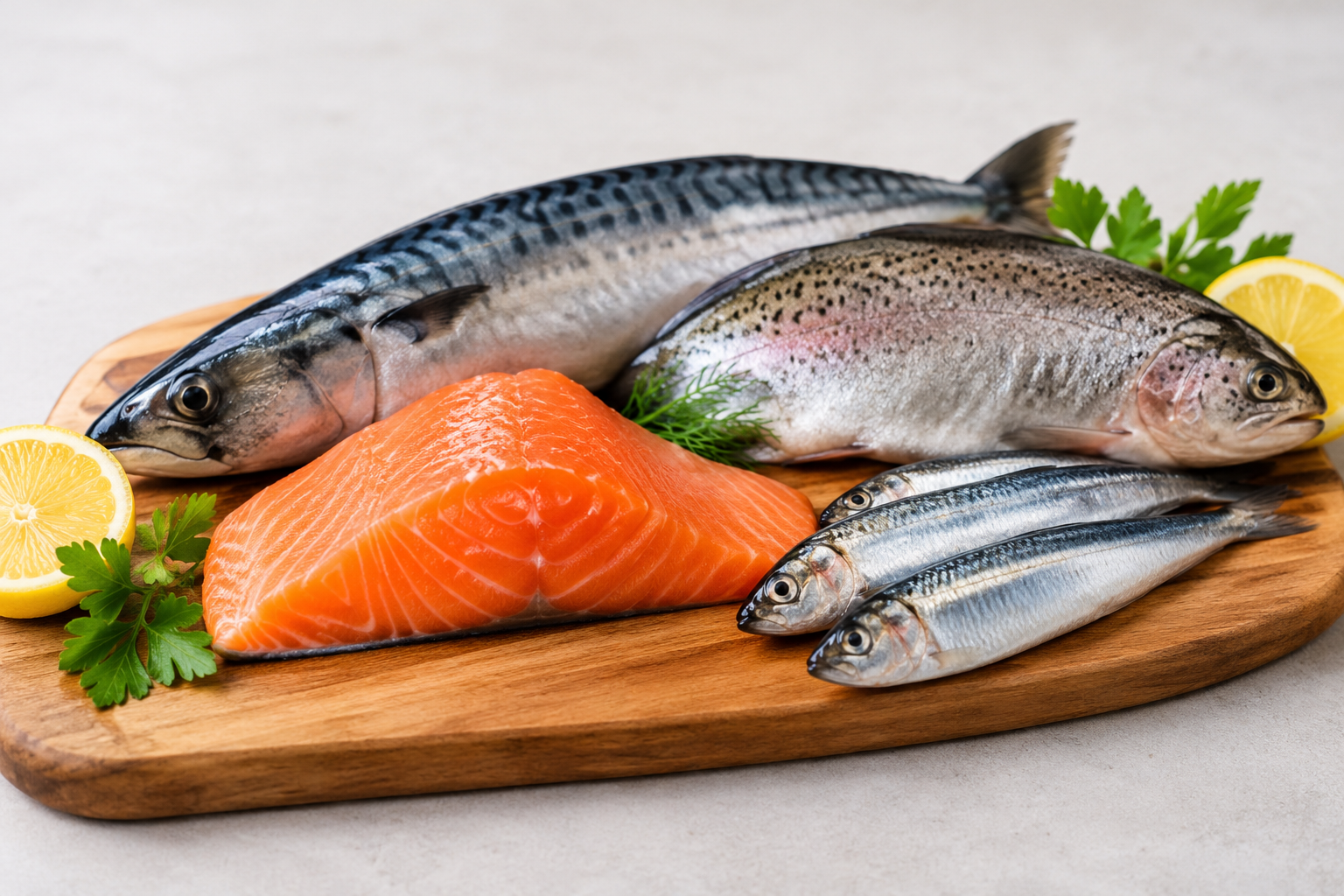
The healthiest fish are generally those that provide plenty of omega-3 fatty acids while containing relatively low levels of mercury and other contaminants. The American Heart Association (AHA) recommends eating two servings of fish per week, particularly fatty fish, to support cardiovascular health. Ready to find your next healthy favorite? Let’s dive in!
Discover 6 of the healthiest fish to eat for better heart health, brain function, and overall wellness. These nutritious options are rich in essential nutrients, including omega-3 fatty acids, while helping you make smarter choices for your health and the environment.
Looking for a simple way to boost your health through diet? Adding fish to your meals is one of the best choices you can make! But with so many varieties available, which fish offer the most health benefits—fatty fish or lean fish?
The Health Benefits of Eating Fish
Adding fish to your weekly diet is an easy way to improve your nutrition and support overall health. Eating fish at least twice a week can provide several important benefits, from building stronger muscles to supporting heart and brain health.
Here are some of the top reasons to include fish in your diet:
-
High in protein: Fish provides high-quality protein that helps build and repair muscles, maintain healthy tissues, and support essential body functions.
-
Easy to digest: The protein in fish is generally highly digestible, allowing your body to absorb and use it efficiently.
-
Rich in healthy fats: Fatty fish contain omega-3 fatty acids, which help support heart health, brain function, and normal inflammatory responses.
-
Packed with essential vitamins: Many types of fish provide important nutrients, including vitamin D and vitamin B12, which support bone health, nerve function, and energy metabolism.
-
A good source of minerals: Depending on the variety, fish can supply minerals such as iodine, selenium, phosphorus, zinc, iron, and calcium, which play important roles in thyroid function, immunity, and overall well-being.
6 of the Healthiest Fish to Eat for Better Health
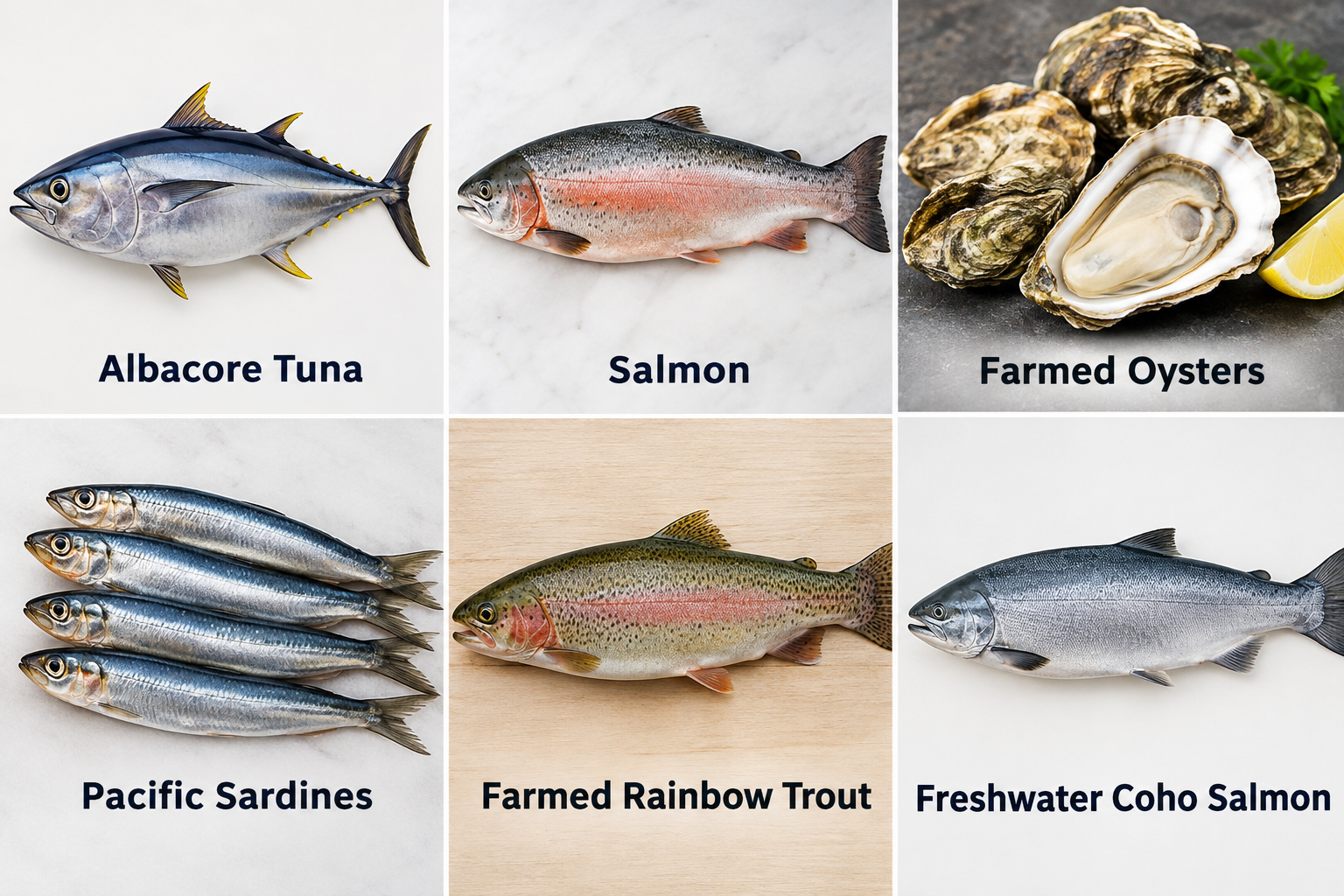
Choosing the right fish can help you get more protein, omega-3 fatty acids, vitamins, and essential minerals in your diet. From heart-healthy salmon to nutrient-rich sardines and oysters, these seafood options offer impressive nutritional benefits. Here are some of the healthiest fish and seafood choices to consider adding to your weekly meals.
1. Albacore Tuna
Albacore tuna is a popular choice for people looking to add lean protein to their diet. It’s packed with essential nutrients including vitamin B12, selenium, and omega-3 fatty acids that help support nerve health, strengthen immune function, and promote overall well-being.
Health benefits of albacore tuna:
-
It delivers high-quality protein that helps build muscle, repair tissues, and maintain overall muscle health.
-
Contains omega-3 fatty acids that support heart health.
-
Supplies vitamin B12 for healthy nerves and red blood cell production.
-
It contains selenium, a vital mineral that helps protect cells from oxidative damage and supports immune health.
2. Salmon
Salmon is widely considered one of the healthiest fish to eat because it’s rich in omega-3 fatty acids, high-quality protein, and several important vitamins and minerals. Both wild-caught and responsibly farmed salmon can be nutritious additions to a balanced diet.
Health benefits of salmon:
-
Packed with EPA and DHA, two essential omega-3 fatty acids that help support heart and brain health.
-
Provides high-quality protein for muscle maintenance.
-
Contains vitamin D for bone health.
-
Supplies vitamin B12 and selenium for essential body functions.
3. Farmed Oysters
Although oysters are shellfish rather than finfish, they’re a highly nutritious seafood choice. Farmed oysters provide protein, vitamin B12, iron, and exceptionally high amounts of zinc, a mineral that supports immune function, wound healing, and normal growth.
Health benefits of oysters:
-
Exceptionally rich in zinc for immune health.
-
Provides vitamin B12 for nerve function and red blood cell formation.
-
Contains iron, which helps transport oxygen throughout the body.
-
Supplies protein and other essential minerals.
4. Pacific Sardines (Wild-Caught)
Pacific sardines are small, oily fish packed with nutrients. They’re an excellent source of omega-3 fatty acids, protein, vitamin B12, and vitamin D. Because sardines are small and relatively low on the food chain, they generally contain less mercury than larger predatory fish.
Health benefits of Pacific sardines:
-
Rich in heart-healthy omega-3s.
-
Low in mercury compared with larger fish.
-
Provides calcium when the bones are eaten.
-
Contains vitamin B12, vitamin D, and high-quality protein.
5. Farmed Rainbow Trout
Farmed rainbow trout is another excellent choice for a healthy diet. It’s rich in protein, omega-3s, vitamin B12, and essential nutrients. Its mild flavor also makes it easy to include in a variety of meals.
Health benefits of rainbow trout:
-
Supplies omega-3 fatty acids that support cardiovascular health.
-
Provides protein for muscle repair and maintenance.
-
Provides vitamin B12 to support healthy nerves and red blood cell production.
-
Offers selenium and other essential nutrients.
6. Freshwater Coho Salmon
Freshwater coho salmon can be another nutritious choice, depending on its source and how it is raised or harvested. Like other salmon varieties, coho salmon provides high-quality protein, omega-3 fatty acids, vitamin B12, and selenium.
Health benefits of coho salmon:
-
Provides EPA and DHA omega-3 fatty acids.
-
Supports muscle health with high-quality protein.
-
Supplies vitamin B12 and selenium.
- Can contribute to a balanced, nutrient-rich diet.
Healthiest Fish to Eat: Top Low-Mercury Seafood for a Healthy Heart
Looking for the healthiest fish to eat? Salmon, sardines, and rainbow trout are nutritious options packed with omega-3s, quality protein, and vital vitamins. If you’re searching for the least toxic fish to eat, these options are generally low in mercury compared with large predatory fish.
Sardines are among the most nutrient-dense fish, while oysters provide zinc, iron, and vitamin B12. Salmon is especially beneficial for heart health, as its omega-3 fats may help lower triglyceride levels. Trout contains some dietary cholesterol but is low in saturated fat, making it a heart-friendly choice.
Both wild-caught and responsibly farmed salmon can be nutritious, making several types of salmon healthy additions to your diet. For the best results, choose a variety of seafood, prepare it by grilling, baking, or steaming, and aim for about two servings of fish per week as part of a balanced, heart-healthy diet.
FAQs
1. What is the healthiest fish to eat?
Salmon, sardines, and rainbow trout are excellent choices because they provide omega-3 fatty acids, protein, and essential nutrients.
2. What is the healthiest seafood to eat?
Salmon, sardines, and oysters offer valuable nutrients. Choose low-mercury options and prepare seafood safely.
3. What fish is good for cholesterol?
Salmon, sardines, and trout contain omega-3 fats that can help lower triglycerides. They are best enjoyed as part of a heart-healthy diet.
4. Is salmon good for high blood pressure?
Salmon provides omega-3 fatty acids that support heart health. Choose baked or grilled salmon with minimal added salt.
5. Which type of salmon is the healthiest?
Both wild-caught and responsibly farmed salmon are nutritious. Their omega-3 and vitamin content varies depending on the species and farming conditions.
Reference
https://www.bbcgoodfood.com/health/nutrition/healthy-fish-to-eat
https://www.webmd.com/diet/ss/slideshow-best-worst-fish
0 200

No Comments