
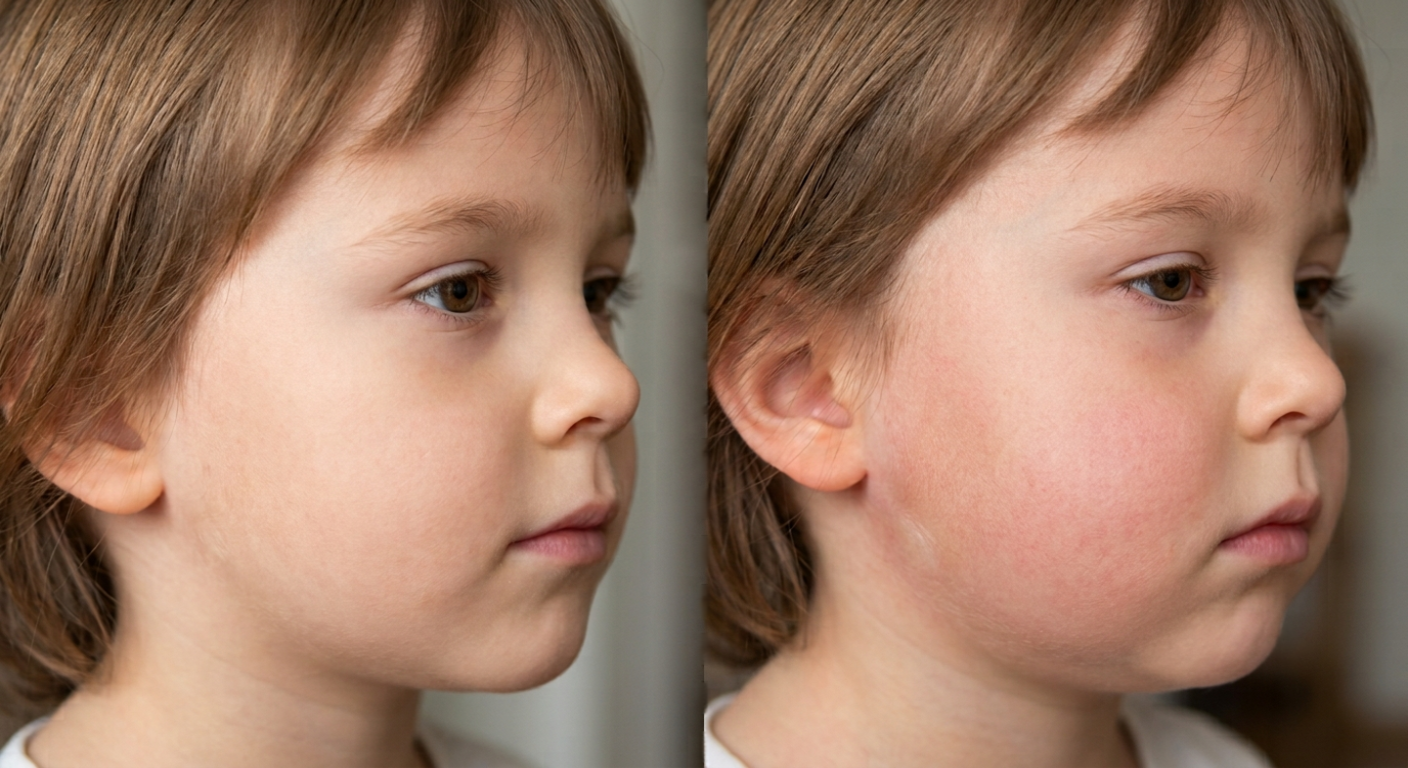
Mumps Symptoms can begin with fever, tiredness, headache, and muscle aches before the familiar swelling around the cheeks and jaw appears. This contagious viral infection can affect both children and adults, although some people experience only mild symptoms. Knowing the early signs, how the infection spreads, and what helps during recovery can make it easier to understand mumps disease symptoms and take steps to protect others.
What Are the Early Symptoms of Mumps?
Mumps may start with symptoms similar to those of other common viral illnesses.
Mumps can cause headaches and tiredness, while does dehydration cause headaches is another useful topic to explore when learning about common causes of head pain.
Common symptoms of the mumps include:
-
Swelling and tenderness around the cheeks or jaw
-
Fever and chills
-
Headache
-
Muscle aches
-
Tiredness and weakness
-
Loss of appetite
-
Pain while chewing or swallowing
-
Dry mouth
These mumps symptoms may develop gradually rather than appearing all at once. Symptoms may be mild in some people but more noticeable in others. The swelling may develop on either side of the face or both.
How Do Symptoms Differ in Adults and Children?
Mumps in children may cause fever, tiredness, reduced appetite, and swollen cheeks. Some children experience mild symptoms, making the infection harder to recognize at first.
Adults can experience similar signs, but the illness may sometimes cause more discomfort or complications.
Key differences may include:
-
Children: Fever, facial swelling, irritability, and difficulty eating.
-
Adults: Jaw tenderness, headaches, fatigue, and muscle aches.
-
Both age groups: Some individuals experience only mild signs, while others may not notice any symptoms.
The severity of mumps can vary regardless of a person’s age. Vaccination status and individual health factors can also influence the likelihood of infection and its severity.
How Does Mumps Spread?
The main cause of mumps is the mumps virus, which belongs to the paramyxovirus family. It spreads through respiratory droplets and saliva when an infected person coughs, sneezes, talks, or shares items contaminated with saliva.
Knowing what causes mumps and how it spreads can help people take steps to prevent infection.
Mumps can spread through:
-
Close contact with an infected person.
-
Sharing cups, bottles, or eating utensils.
-
Contact with saliva or respiratory secretions.
-
Spending time in crowded settings where the virus can circulate.
Symptoms usually appear around 16–18 days after exposure, although the incubation period can range from 12 to 25 days. An infected person may spread the virus before facial swelling becomes noticeable.
Can Mumps Occur Without Swollen Cheeks?
Yes. Not everyone develops the typical swelling associated with mumps. Some people experience only fever, headache, tiredness, or muscle aches, while others have no noticeable symptoms.
The symptoms of mumps virus infection can vary depending on the individual. This variation means that the absence of swollen cheeks does not completely rule out infection.
Mumps can also resemble other illnesses that cause fever and facial discomfort. For this reason, symptoms alone may not always be enough to identify the infection accurately.
How Is Mumps Diagnosed?
Mumps diagnosis may involve checking symptoms and exposure history, while understanding the deficiency of vitamin B12 can help you learn about another health condition that may cause symptoms such as fatigue and weakness.
Depending on the situation, laboratory testing may be used to confirm the infection. A commonly used test detects the virus’s genetic material in a sample collected from the mouth or throat.
The measles, mumps, and rubella (MMR) vaccine helps prevent mumps, but vaccination does not eliminate the possibility of infection. In some cases, vaccinated people can still develop mumps, although vaccination generally reduces the risk and severity.
How Can You Relieve Mumps Symptoms?
There is no specific antiviral medicine that routinely cures uncomplicated mumps.
Choosing soft, nutritious foods such as soups and porridge can make eating easier during mumps recovery, and these vitamin B12 foods can help readers learn about dietary sources of this essential nutrient.
Helpful measures include:
-
Drink plenty of fluids: Water and other suitable drinks help maintain hydration.
-
Choose soft foods: Soups, porridge, mashed vegetables, and yogurt may be easier to eat.
-
Avoid acidic foods: Citrus fruits and sour drinks can stimulate saliva and worsen gland pain.
-
Use a cool or warm compress: Apply whichever temperature feels more comfortable to swollen areas.
-
Get enough rest: Adequate sleep and reduced physical activity can support recovery.
-
Maintain good hygiene: Wash hands regularly and avoid sharing utensils or drinking bottles.
Although people often search for a mumps cure, recovery generally depends on supportive care rather than a specific antiviral treatment.
What Complications Can Mumps Cause?
Most people recover without lasting problems, but mumps can sometimes affect other parts of the body.
Possible complications include:
-
Orchitis: Inflammation of one or both testicles, particularly after puberty.
-
Oophoritis: Inflammation of the ovaries in some affected females.
-
Meningitis: Swelling of the protective membranes around the brain and spinal cord.
-
Pancreatitis: Inflammation of the pancreas, which may cause abdominal pain.
-
Hearing loss: Rarely, mumps can cause permanent hearing damage.
These complications are uncommon, but understanding them helps explain why mumps should not be dismissed as simply swollen cheeks.
How Can You Prevent Mumps?
Vaccination offers the strongest protection against mumps. The MMR vaccine covers measles, mumps, and rubella and is part of routine childhood vaccination programs in many countries.
Other useful precautions include:
-
Wash your hands regularly with soap and water.
-
Avoid sharing cups, utensils, and personal items.
-
Cover coughs and sneezes.
-
Limit close contact with infected people.
-
Stay home during the recommended contagious period.
Checking vaccination records and following local immunization guidance can help protect individuals and communities.
Conclusion
Identifying mumps symptoms early can help you recognize the infection and take steps to limit its spread to others. Fever, tiredness, headache, and swollen cheeks or jaw are common signs, although some people experience no noticeable swelling. Rest, fluids, suitable foods, and vaccination are important parts of managing the illness and reducing infection risk.
Frequently Asked Questions About Mumps Symptoms
1. What is the first sign of mumps?
Fever, headache, tiredness, and muscle aches may appear first. Swelling near the cheeks and jaw often develops afterward.
2. Can adults get mumps?
Yes. Adults can develop mumps, particularly if they lack immunity. Symptoms may include fever, swollen salivary glands, jaw pain, and fatigue.
3. Is mumps contagious?
Yes. Mumps spreads through saliva and respiratory droplets. An infected person can transmit the virus before facial swelling appears.
4. Is there a specific cure for mumps?
There is no specific antiviral cure for uncomplicated mumps. Rest, hydration, and measures to relieve discomfort can support recovery.
5. Can you get mumps after vaccination?
Yes, breakthrough infections can occur. However, vaccination substantially reduces the risk of getting mumps and developing severe illness.
References:
- https://my.clevelandclinic.org/health/diseases/15007-mumps
- https://www.mayoclinic.org/diseases-conditions/mumps/symptoms-causes/syc-20375361
No Comments