
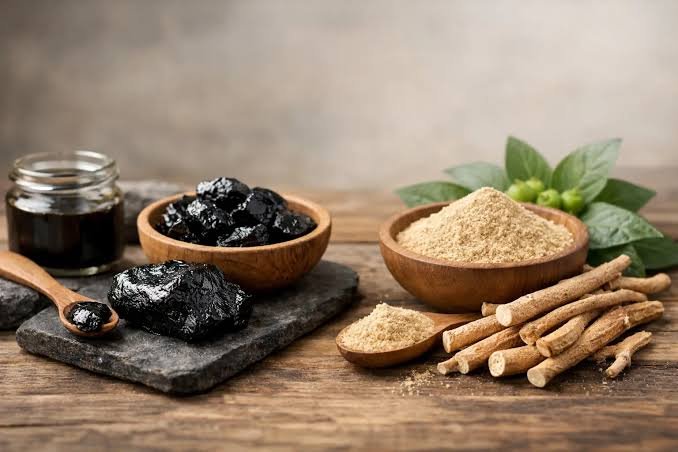
Shilajit vs Ashwagandha are two of the most popular natural supplements used in traditional wellness practices. While both are known for supporting energy, vitality, and overall health, they work in different ways and offer unique benefits. If you’re trying to decide between these two supplements, understanding their differences can help you choose the one that best fits your wellness goals.
In this guide, we’ll compare Shilajit and Ashwagandha, including their benefits, uses, potential side effects, and whether they can be taken together.
What Is Shilajit?
Found in mountainous areas such as the Himalayas, Shilajit is a mineral-dense resin formed over centuries from decomposed plant matter. It forms over centuries from decomposed plant material and contains fulvic acid, trace minerals, and antioxidants. Traditionally used in Ayurvedic medicine, Shilajit is valued for supporting energy production, stamina, and healthy aging.
Many people use it to improve physical performance, mental clarity, and overall vitality.
What Is Ashwagandha?
Known scientifically as Withania somnifera, Ashwagandha is a popular Ayurvedic herb valued for its adaptogenic effects. Adaptogens support the body’s ability to handle physical and emotional stress more efficiently. Ashwagandha is commonly taken to promote relaxation, improve sleep quality, support cognitive function, and maintain healthy hormone balance.
Unlike Shilajit, which is primarily a mineral supplement, Ashwagandha is an herbal remedy that focuses more on stress management.
Shilajit vs Ashwagandha: Key Differences
| Feature | Shilajit | Ashwagandha |
|---|---|---|
| Source | Mineral-rich resin | Herbal root |
| Primary Use | Energy and vitality | Stress support |
| Main Components | Fulvic acid and minerals | Withanolides |
| Traditional System | Ayurveda | Ayurveda |
| Best For | Physical performance | Mental wellness |
Although both supplements promote overall health, they target different aspects of wellness.
Ashwagandha Shilajit Benefits
When comparing ashwagandha shilajit benefits, it’s important to understand that each supplement has its own strengths. Shilajit may help support cellular energy production, physical endurance, and healthy aging, while Ashwagandha is widely recognized for helping the body adapt to stress, supporting restful sleep, and promoting emotional balance. Some individuals choose one based on their primary health goals, while others may use both under professional guidance.
Is Shilajit an Adaptogen?
A common question is is shilajit an adaptogen. Technically, Shilajit is not classified as an adaptogen like Ashwagandha. Rather, it is a naturally occurring mineral-rich compound known for supporting energy metabolism and antioxidant functions. Ashwagandha, on the other hand, is a true adaptogenic herb known for helping the body manage stress.
Shilajit Cortisol
Researchers have explored the relationship between shilajit cortisol levels, but current evidence remains limited. While Shilajit is commonly used to support energy and overall wellness, Ashwagandha has more scientific evidence supporting its ability to help maintain healthy cortisol levels during stress.f
How Shilajit and Ashwagandha Support Men’s Wellness
Many people ask, what does shilajit and ashwagandha do for men? These supplements are commonly used to support energy, physical performance, reproductive health, and overall vitality. Some studies suggest they may contribute to healthy testosterone levels in men, although individual results vary and more research is needed.
Shilajit for Anxiety
Some individuals use shilajit for anxiety, hoping its antioxidant and energy-supporting properties may improve overall well-being. However, Ashwagandha has significantly more clinical research supporting its use for stress and anxiety management. Anyone experiencing ongoing anxiety should consult a healthcare professional rather than relying solely on supplements.
Can You Take Both Together?
A frequently asked question is can you take ashwagandha and shilajit together. Many healthcare professionals believe these supplements can often be combined because they work through different mechanisms. However, dosage, medical history, medications, and individual health conditions should always be considered before starting any supplement combination.
Benefits of Combining Them
The benefits of shilajit and ashwagandha may include support for energy, resilience to stress, cognitive performance, and overall wellness. Because they complement one another rather than perform identical functions, some users find the combination beneficial when used responsibly.
Many supplement manufacturers now offer a shilajit and ashwagandha combination designed for convenience. Similarly, a shilajit and ashwagandha combo may appeal to people seeking both physical vitality and stress support in one product.
Some wellness enthusiasts also report shilajit and ashwagandha together benefits, such as improved stamina, balanced mood, and better recovery after exercise, although individual experiences differ and scientific evidence continues to evolve.
Shilajit vs Ashwagandha Which Is Better?
The answer to shilajit vs ashwagandha which is better depends entirely on your goals.
Choose Shilajit if you want:
- Better energy levels
- Improved stamina
- Mineral supplementation
- Support for healthy aging
Choose Ashwagandha if you want:
- Better stress management
- Improved sleep
- Emotional balance
- Adaptogenic support
There is no universal winner because each supplement serves different purposes.
Which Is Better for Testosterone: Shilajit or Ashwagandha?
Many people wonder shilajit or ashwagandha which is better for testosterone. Research suggests both supplements may support healthy testosterone levels in certain men, particularly when combined with a healthy lifestyle. However, neither should be viewed as a replacement for medical evaluation if hormone concerns exist.
Shilajit vs Moringa
Another common comparison is shilajit vs moringa. While Shilajit primarily provides minerals and fulvic acid for energy support, Moringa is a nutrient-rich plant known for its vitamins, antioxidants, and anti-inflammatory compounds. Your choice depends on whether you’re seeking mineral support or broader nutritional supplementation.
Shilajit Alternative
If Shilajit isn’t suitable for you, several natural supplements may serve as a shilajit alternative, including Rhodiola, Panax Ginseng, Coenzyme Q10, or Moringa. The best alternative depends on your specific health objectives and should ideally be selected with professional guidance.
Shilajit Ashwagandha Para Que Sirve
Spanish-speaking users often search shilajit ashwagandha para que sirve, which translates to “What are Shilajit and Ashwagandha used for?” Both Shilajit and Ashwagandha benefit overall well-being, but Shilajit is often used for energy and endurance, whereas Ashwagandha is valued for promoting calmness and helping the body manage stress.
Final Thoughts
Choosing between Shilajit and Ashwagandha doesn’t have to be difficult. Both have long histories in Ayurvedic medicine and offer unique health-supporting properties. While Shilajit is valued for enhancing vitality, endurance, and mineral support, Ashwagandha is primarily recognized for helping manage stress and supporting overall balance.
For many healthy adults, taking Ashwagandha and Shilajit together may support overall wellness by complementing each other’s benefits. However, it’s important to consult a healthcare professional before combining these supplements, especially if you have a medical condition, are pregnant or breastfeeding, or take prescription medications.
At Medslike.com, we encourage informed decisions by providing reliable health information to help you understand natural supplements and make choices that align with your wellness goals.
FAQs
1. Can Shilajit and Ashwagandha be taken every day?
Many healthy adults use them daily, but it’s best to follow the recommended dosage and consult a healthcare professional before long-term use.
2. Which supplement is better for stress?
Ashwagandha has stronger clinical evidence for supporting stress management and promoting relaxation.
3. Does Shilajit increase energy?
Shilajit is traditionally used to support energy production, stamina, and physical performance due to its fulvic acid and mineral content.
4. Are there any side effects?
Both supplements are generally well tolerated when taken as directed. Mild digestive upset or interactions with certain medications are possible, so consult your healthcare provider before use.
5. Can I choose one instead of taking both?
Yes. If your main goal is energy and vitality, Shilajit may be more suitable. If you’re focused on stress relief and better sleep, Ashwagandha may be the better choice. Your decision should be based on your individual health needs and medical advice.


No Comments