

Frequent sneezing and a runny nose can make everyday activities uncomfortable, particularly when accompanied by itchy eyes, nasal congestion, or throat irritation. These symptoms may occur because of allergies, viral infections such as the common cold, or exposure to dust, pollen, and other irritants. Fortunately, a few simple remedies can help ease symptoms and provide relief.
What Causes Sneezing and a Runny Nose?
Sneezing helps the nose get rid of irritants, while a runny nose develops when the nasal passages produce excess mucus. Common causes include colds, allergy symptoms, smoke, pollution, and sudden temperature changes.
Common symptoms of sneezing and runny nose include repeated sneezing, nasal irritation, watery nasal discharge, and a stuffy or blocked nose.
If you experience sudden sneezing and a runny nose, consider whether you have recently encountered dust, perfume, pollen, or another irritant. If symptoms persist for a few days or become more severe, seek medical advice to identify the cause and receive appropriate treatment.
How to Stop Sneezing and Runny Nose Instantly
If frequent sneezing and a runny nose are causing discomfort, try the following simple steps to soothe irritation and manage your symptoms.
1. Use a saline nasal spray
A saline nasal spray helps keep your nasal passages moist while clearing excess mucus, dust, and allergens. It may calm irritation inside the nose and ease discomfort associated with repeated sneezing and persistent mucus drainage.
If you use a nasal rinse, always choose sterile, distilled, or previously boiled and cooled water to ensure safe use.
2. Drink enough fluids
Water, warm soups, and other non-caffeinated fluids can help maintain hydration and make mucus easier to clear. Drinking warm beverages can soothe throat irritation and help ease discomfort.
3. Avoid common triggers
Avoid exposure to smoke, dust, pollen, and strong fragrances, as these can irritate your nasal passages and worsen symptoms.
4. Try a warm shower
Taking a warm shower may help soothe nasal irritation and loosen mucus, making it easier to breathe. Avoid using boiling water for steam inhalation, as it can cause serious burns.
5. Rest and monitor your symptoms
If sneezing accompanies a cold, adequate rest and fluids can support recovery. These measures may help with extreme runny nose and sneezing, although they do not cure every underlying cause.
How to Clear a Stuffy Nose Fast
A blocked nose can make breathing difficult, especially at night. If you’re looking for ways to learn how to clear stuffy nose fast, try using a saline nasal spray, gently blowing your nose, and drinking plenty of fluids to help relieve congestion.
If you experience nasal congestion and stuffy nose symptoms, sleeping with your head slightly elevated may help you breathe more easily. Stay away from cigarette smoke, dust, and other irritants that may increase nasal inflammation and make congestion worse.
A stuffy nose to runny nose transition can happen during a common cold or when nasal inflammation causes excess mucus production. If you have runny nose and nasal congestion, saline irrigation may help clear secretions and reduce irritation.
Runny Nose and Sneezing Treatment Options
The most suitable treatment for a runny nose and frequent sneezing varies depending on the underlying cause of your symptoms.
-
For allergies: Antihistamines can help relieve symptoms such as frequent sneezing, nasal itching, and a watery runny nose.
-
For a common cold: Getting enough rest, drinking plenty of fluids, and using saline nasal sprays can help relieve symptoms as your body recovers.
-
For nasal congestion: Decongestants may help reduce nasal swelling and provide temporary relief. However, consult a doctor or pharmacist before using them, especially if you have high blood pressure, heart disease, glaucoma, or any other underlying health condition.
-
For persistent symptoms: A healthcare professional can assess whether allergies, sinus problems, or another condition is responsible.
Selecting the appropriate medicine for a stuffy nose can help relieve congestion effectively. Using decongestant nasal sprays for too long can worsen nasal blockage and cause rebound congestion.
The most suitable medicine for a stuffy nose depends on your age, symptoms, medical history, and any medications you currently use. Antibiotics do not work against viral colds, and allergy medicines may not help if sneezing is caused by other conditions.
Can Allergies Cause a Runny Nose?
Yes, can allergies cause runny nose symptoms? Absolutely. Allergic rhinitis occurs when the immune system reacts to substances such as pollen, dust mites, or pet dander.
Allergies can cause an itchy, runny nose, frequent sneezing, watery eyes, and nasal irritation, particularly after exposure to pollen, dust, or pet dander. If you keep sneezing and runny nose symptoms appear after exposure to a particular trigger, an allergy may be responsible.
A sneezy nose with clear discharge and itching often suggests an allergy, especially when symptoms recur seasonally. A common cold can cause similar symptoms, so it’s important to consider how long they last and whether other symptoms are present.
Home Remedies for Stuffy Nose
Several home remedies for stuffy nose symptoms may provide temporary relief:
-
Use a saline spray to clear nasal passages.
-
Stay hydrated by drinking water and warm fluids.
-
Take a warm shower to loosen mucus.
-
Keep your bedroom free of dust and smoke.
-
Wash bedding regularly to reduce dust mites.
These measures can help relieve a stuffy nose cure concern, but there is no single remedy that works for everyone. Avoid inserting oils or unprescribed substances into your nose.
When Should You See a Doctor?
Mild sneezing and nasal discharge usually settle on their own or improve with appropriate care. However, seek medical advice if symptoms last more than 10 days without improvement, worsen after initially getting better, or are accompanied by persistent fever, significant facial pain, or concerning discharge.
Identifying your triggers and choosing the right treatment can help control severe sneezing and a runny nose. If symptoms recur frequently, seek advice from a healthcare professional to identify the cause and determine the right approach to care.
FAQs
1. How to stop sneezing and runny nose instantly?
Use a saline nasal spray, avoid common triggers, and consider suitable treatment to help manage your symptoms.
2. Can allergies cause a runny nose and frequent sneezing?
Yes. Allergies can cause repeated sneezing, clear nasal discharge, itching, and watery eyes. Dust, pollen, and pet dander are common triggers.
3. What is the best medication for a stuffy nose?
The best option depends on the cause. Saline sprays, antihistamines, steroid nasal sprays, or short-term decongestants may help in different situations. Ask a pharmacist or doctor for advice.
4. Why do I have a stuffy nose at night?
Nasal congestion may feel worse when you lie down. Allergies, a cold, dry air, and exposure to bedroom irritants can contribute to nighttime symptoms.
5. When should I seek medical advice for sneezing and a runny nose?
Consult a healthcare professional if symptoms persist beyond 10 days without improvement, become severe, or are accompanied by significant facial pain or persistent fever. Seek urgent care for breathing difficulties or signs of a severe allergic reaction.
Reference
https://my.clevelandclinic.org/health/diseases/17980-nasal-congestion
https://medlineplus.gov/ency/article/003049.htm
0 200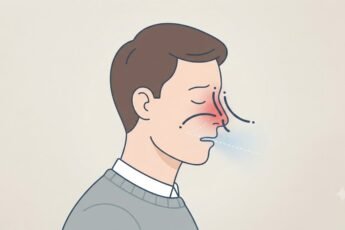
No Comments