
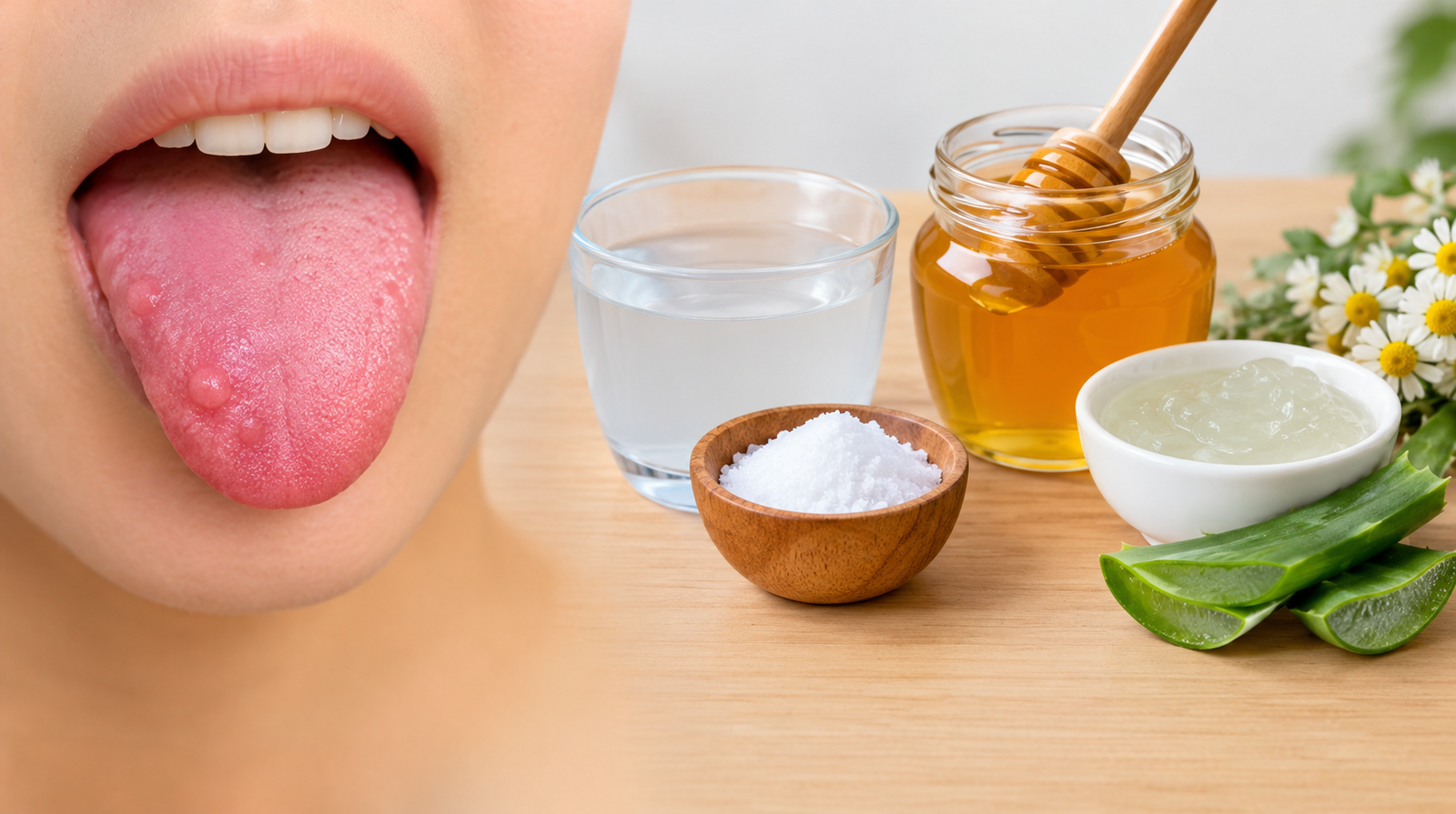
Tongue bumps are common and can develop due to irritation, minor injuries, inflamed taste buds, or other oral conditions. They may appear as small red, white, or swollen spots and sometimes cause pain while eating, drinking, or speaking. Although many tongue bumps improve on their own, simple home remedies may help soothe discomfort and support healing.
If you have tongue bumps on back of tongue, understanding their possible causes can help you choose the right approach. This guide covers seven easy home remedies, practical prevention tips, and signs that indicate when you should consult a healthcare professional.
What Causes Tongue Bumps?
Small bumps on the tongue can develop for several reasons. Common causes include irritated taste buds, accidentally biting your tongue, burns from hot foods, spicy meals, and canker sores. Viral infections and other oral conditions may also cause changes in the tongue.
The bumps on rear of tongue may sometimes be normal structures called circumvallate papillae. These larger taste buds naturally sit toward the back of the tongue. However, new, painful, growing, or persistent bumps should not automatically be assumed to be normal.
If you notice tongue bumps on back that do not improve or are accompanied by other symptoms, consider getting them examined by a dentist or healthcare professional.
7 Easy Home Remedies for Tongue Bumps
1. Rinse With Warm Salt Water
Saltwater rinses may help keep your mouth clean and soothe minor irritation. Mix half a teaspoon of salt into a glass of warm water, swish gently for about 15–30 seconds, and spit it out.
Repeat a few times daily as needed. Do not swallow the mixture, and avoid using water that is too hot.
2. Drink Plenty of Water
Staying hydrated helps prevent dry mouth and supports normal dental healthcare. Drink water regularly, particularly if your tongue feels irritated or uncomfortable.
Adequate hydration may help when you are wondering how to get rid of bumps on tongue caused or worsened by dryness and irritation. However, persistent bumps may need a different treatment depending on their cause.
3. Avoid Spicy and Acidic Foods
Hot peppers, citrus fruits, vinegar, and highly seasoned foods may aggravate sensitive areas of the tongue. Choose soft, mild foods such as oatmeal, yogurt, and mashed potatoes while the area heals.
Avoid extremely hot beverages and foods that scrape or irritate the affected area.
4. Apply a Cool Compress
A cool drink or small ice chip allowed to melt gently in your mouth may temporarily relieve swelling and discomfort. Avoid biting or pressing ice directly against the tongue, as excessive cold can cause irritation.
This simple method may help if you are searching for ways to get rid of tongue bumps that feel tender or inflamed.
5. Maintain Gentle Oral Hygiene
Brush your teeth twice daily with a soft-bristled toothbrush and clean your tongue gently without scraping the affected area.
Good oral hygiene helps reduce food debris and supports a healthy mouth. Avoid harsh mouthwashes containing alcohol if they make the irritation worse.
6. Avoid Touching or Popping the Bump
Tongue bumps are not necessarily pimples. Avoid popping, cutting, or scratching tongue bumps, as this may lead to bleeding, irritation, or infection.
If you are wondering how do you get rid of pimples on your tongue, the safest approach is to avoid popping them and identify the underlying cause. Do not use acne creams or harsh chemicals inside your mouth.
7. Choose Appropriate Treatment When Needed
Most minor taste-bud irritation improves within several days. If a bump is very painful, keeps returning, or does not improve, a dentist or doctor can recommend treatment based on its cause.
The right tongue pimple treatment depends on the cause and may include reducing irritation or treating an underlying bacterial infection. Antibiotics and antifungal medicines should only be used when medically indicated.
How to Relieve Painful Tongue Bumps Quickly
If you want to know how to get rid of bumps on tongue that hurt, start by avoiding spicy foods, drinking cool water, and rinsing gently with salt water. These steps may reduce discomfort while minor irritation heals.
The same measures may help if you are searching for how to get rid of painful bump on tongue or how to get rid of bump on tongue that hurts. However, pain alone cannot identify the cause, and severe or worsening symptoms deserve medical attention.
People searching for how to heal bump on tongue, how to heal tongue bumps, or how to cure tongue bumps should remember that treatment depends on the underlying condition. There is no single remedy that cures every type of tongue bump.
Similarly, searches such as how to remove pimple from tongue, how to remove tongue pimples, tongue pimple cure, cure for pimple on tongue, pimple on tongue cure, and treatment for pimple on tongue often refer to different conditions that can look similar. Avoid trying to remove a bump yourself.
When Should You See a Doctor?
Seek professional advice if a tongue bump lasts longer than two weeks, grows, bleeds, becomes increasingly painful, or is accompanied by a persistent sore throat, unexplained lump, or difficulty swallowing.
If you notice new or unusual bumps behind your tongue or on its back, consult a dentist to find out whether they are normal taste buds or need treatment.
Get urgent medical help if tongue swelling develops suddenly or causes difficulty breathing or swallowing.
FAQs
1. How long do tongue bumps take to go away?
Minor irritation and inflamed taste buds often improve within a few days. Other causes may take longer and require treatment. See a healthcare professional if a bump persists for more than two weeks.
2. Are bumps on the back of the tongue normal?
Some bumps at the back of the tongue are normal taste buds. However, new, enlarging, painful, or persistent bumps should be examined by a dentist or doctor.
3. What is the fastest way to relieve painful tongue bumps?
Cool water, gentle saltwater rinses, and avoiding spsicy or acidic foods may provide temporary relief. The best treatment depends on what is causing the bump.
4. Can I pop a pimple on my tongue?
No. Tongue bumps are not always pimples, and popping them may cause injury, bleeding, or infection. Avoid cutting or squeezing them.
5. When should I worry about a tongue bump?
Seek medical advice if a bump lasts more than two weeks, grows, bleeds, or causes persistent pain. Sudden tongue swelling with breathing or swallowing difficulties requires emergency care.
Reference
https://www.healthline.com/health/dental-and-oral-health/tongue-bumps
https://www.medicalnewstoday.com/articles/321891
0 200

No Comments