
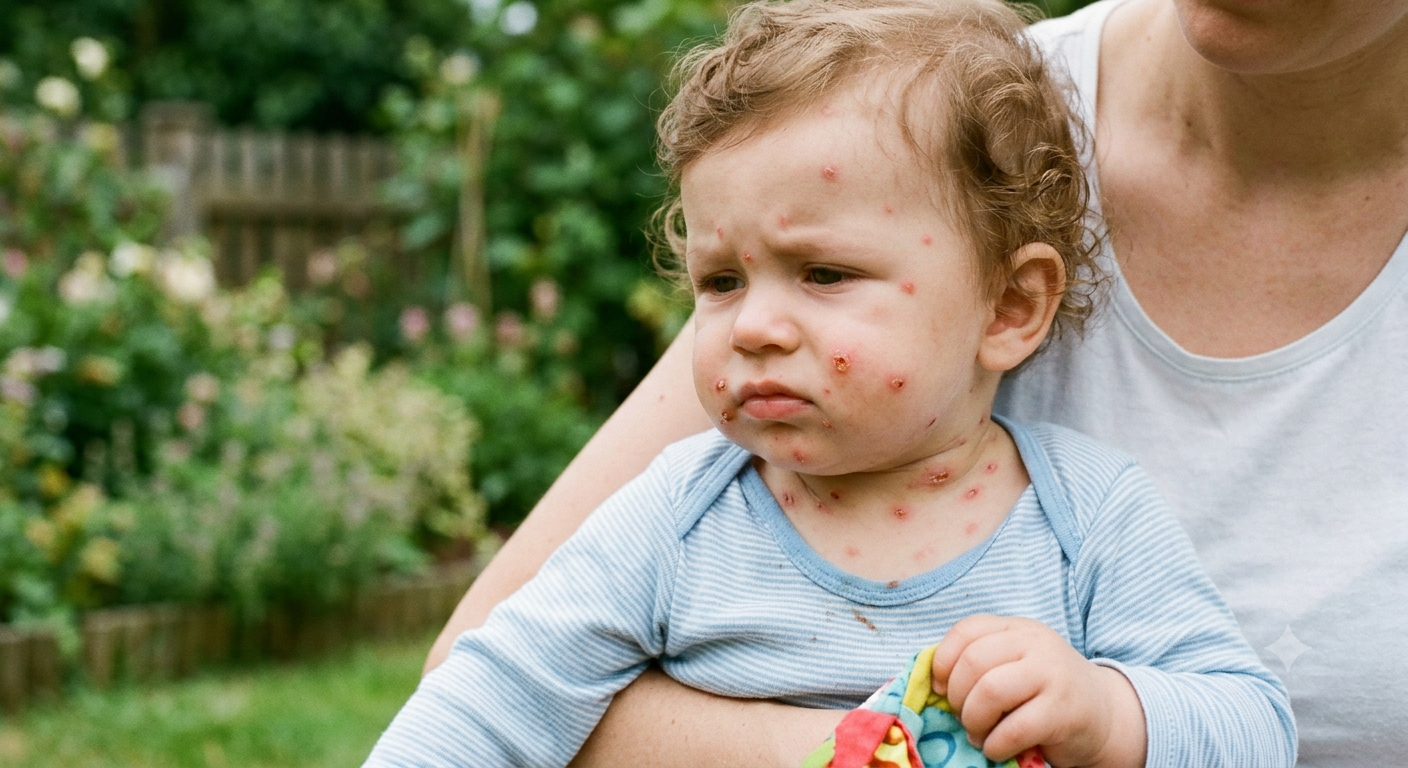
Chickenpox is a common viral infection that can cause fever, tiredness, and an itchy skin rash. In babies, the first signs may be easy to mistake for an ordinary illness or irritation. Knowing the chickenpox symptoms early can help parents understand what may be happening as the illness develops.
The infection can affect a baby’s comfort, sleep, feeding, and overall well-being. It usually follows a recognizable pattern, beginning with general symptoms and later causing spots and fluid-filled blisters. Understanding these changes can make it easier to monitor your baby’s health and provide appropriate comfort at home.
Could These Be the 7 Early Signs of Chickenpox in Your Baby?
The first symptoms do not always begin with a rash. Some babies may initially seem unsettled or less energetic before noticeable skin changes develop.
Here are seven signs parents may notice:
- Fever: Your baby may feel warmer than usual or develop a fever.
- Tiredness: Your baby may seem less active, sleepy, or unusually quiet.
- Fussiness: Your baby may become more irritable or unsettled than usual.
- Reduced appetite: Your baby may temporarily eat or drink less than usual.
- General discomfort: Your baby may appear restless or have difficulty settling.
- Small red spots: Tiny red or pink spots may begin appearing on the skin.
- Itchy spots or blisters: Some spots can develop into itchy, fluid-filled blisters.
These signs can vary from one child to another.
A baby rash can happen for many different reasons, so paying attention to how the spots look and how they change over time can provide useful clues.
What Happens to a Baby’s Skin After Chickenpox First Appears?
The rash generally develops in stages rather than appearing as one uniform patch. Small red spots can become raised bumps and then develop into fluid-filled blisters.For general information about soothing and caring for skin, you can also explore 10 aloe vera benefits, although aloe vera is not a cure for chickenpox.
As the rash progresses, new spots may continue appearing while earlier ones begin drying. This means different stages can sometimes be visible on the skin at the same time.
Parents may notice:
-
Small red or pink spots
-
Raised bumps
-
Fluid-filled blisters
-
Drying or crusting areas
This changing appearance is one reason a viral rash baby may look different from one day to the next.
Why Does Chickenpox Cause So Much Itching?
The itching comes from the skin inflammation associated with the rash and developing blisters. For a baby, this can be particularly difficult because they may not understand why their skin feels uncomfortable.
Scratching can irritate the skin further and may damage blisters. Keeping nails short and using gentle clothing can help reduce accidental scratching.
If your baby seems especially restless, simple comfort measures can make the day and night easier.
How Might Your Baby Have Picked Up Chickenpox?
Chickenpox is caused by the varicella-zoster virus. If you have been wondering chicken pox is caused by which virus, the answer is the varicella-zoster virus.
The infection can spread through close contact with an infected person, including exposure to respiratory droplets or fluid from the characteristic blisters.
Because babies may have close contact with family members and caregivers, infection can spread within households. This is also why understanding how the infection is transmitted is important for protecting other people around the baby.
Can Your Baby Spread Chickenpox Before the Rash Shows?
Yes, chickenpox can be contagious before the characteristic rash becomes obvious. A person may spread the infection during the period leading up to the appearance of the rash and while new lesions are developing.
So, is chicken pox spreadable before parents notice spots? It can be.
The infection is generally considered contagious until the blisters have dried and crusted over. During this period, limiting close contact with people who could be particularly vulnerable can help reduce transmission.
What Can You Do to Help Your Baby Feel More Comfortable?
There is no simple home method that instantly eliminates the infection. Instead, supportive care focuses on keeping your baby comfortable while the illness runs its course.
Parents can focus on:
-
Offering appropriate fluids regularly
-
Encouraging rest and comfortable sleep
-
Dressing the baby in soft, loose clothing
-
Keeping the skin clean and avoiding harsh products
-
Keeping fingernails short to reduce scratching
-
Watching for changes in feeding, hydration, or general behavior
Gentle skin care is also important when a baby has an itchy rash. If you are interested in general skincare ingredients, you can learn more about rose water benefits for skin, although rose water should not be considered a treatment for chickenpox or applied to irritated blisters without appropriate guidance.
When people search for How to cure chickenpox, it is important to understand that treatment is generally focused on relieving symptoms and supporting the body’s recovery rather than instantly removing the virus.
What Happens When Chickenpox Blisters Start to Heal?
The blisters gradually dry out and form crusts as the skin begins to recover. New spots may still appear while older blisters are already drying, so the rash may not heal everywhere at exactly the same time.
Avoid picking or scratching the blisters. Allowing the skin to heal naturally can help reduce unnecessary irritation.
The healing stage is also important when considering the possibility of marks after the rash has disappeared.
Could Chickenpox Leave Scars on Your Baby’s Skin?
Chickenpox can sometimes leave temporary marks, and scratching or damaging the blisters may increase the chance of longer-lasting scars.
Parents looking for how to cure chicken pox scars should know that prevention is often more useful than trying to correct marks afterward. Avoiding scratching and allowing damaged skin to heal naturally can support healthier-looking skin.
A balanced diet also supports normal skin health, and parents can learn more about vitamin B12 foods as part of understanding important nutrients in the diet.
After the infection has cleared, remaining marks may gradually become less noticeable. Skin healing can take time, so changes may not disappear immediately.
Can Chickenpox Happen More Than Once in a Baby?
A second episode is considered uncommon because infection usually produces lasting immunity. However, not every childhood rash is chickenpox, and other skin conditions can look similar.
This is why recognizing the overall pattern matters rather than assuming every blistering or itchy rash is the same infection.
From an overall health perspective, maintaining good hydration, adequate nutrition, rest, and healthy hygiene habits supports a baby’s general well-being while recovering from an illness. These habits do not prevent or cure every infection, but they are important parts of healthy daily care.
Conclusion
Recognizing the early pattern of chickenpox can help parents understand what they may be seeing on their baby’s skin and how the illness can progress. From the first general symptoms to spots, blisters, crusting, and eventual healing, each stage can look different.
The most useful approach is to focus on comfort, hydration, rest, gentle skin care, and preventing unnecessary scratching. Understanding chicken pox symptoms early, how the infection spreads, and what happens as the rash heals can help parents feel more prepared while caring for their baby.
What Do Parents Often Ask About Chickenpox in Babies?
1. What are chicken pox symptoms early?
Early symptoms may include fever, tiredness, fussiness, reduced appetite, and general discomfort before the characteristic rash becomes noticeable.
2. Is chickenpox contagious?
Yes. The infection can spread through close contact and may be contagious before the rash becomes obvious and until the blisters have crusted.
3. What is the difference between a baby rash and chickenpox?
A baby rash can have many causes. Chickenpox typically develops through recognizable stages, including spots, bumps, fluid-filled blisters, and crusting.
4. Why chicken pox cause itching?
The rash and inflammation associated with the infection can make the skin itchy. Scratching can further irritate the affected areas.
5. Can chickenpox leave marks?
Yes, temporary marks can remain after the rash heals. Scratching or damaging the blisters can increase the likelihood of scarring.
6. How long does chickenpox usually last?
The illness commonly develops over several days, with the rash progressing through different stages before the affected areas dry and heal. The exact course can vary between children.
References:
- https://www.cdc.gov/chickenpox/signs-symptoms/index.html
- https://pmc.ncbi.nlm.nih.gov/articles/PMC2722564/

No Comments