
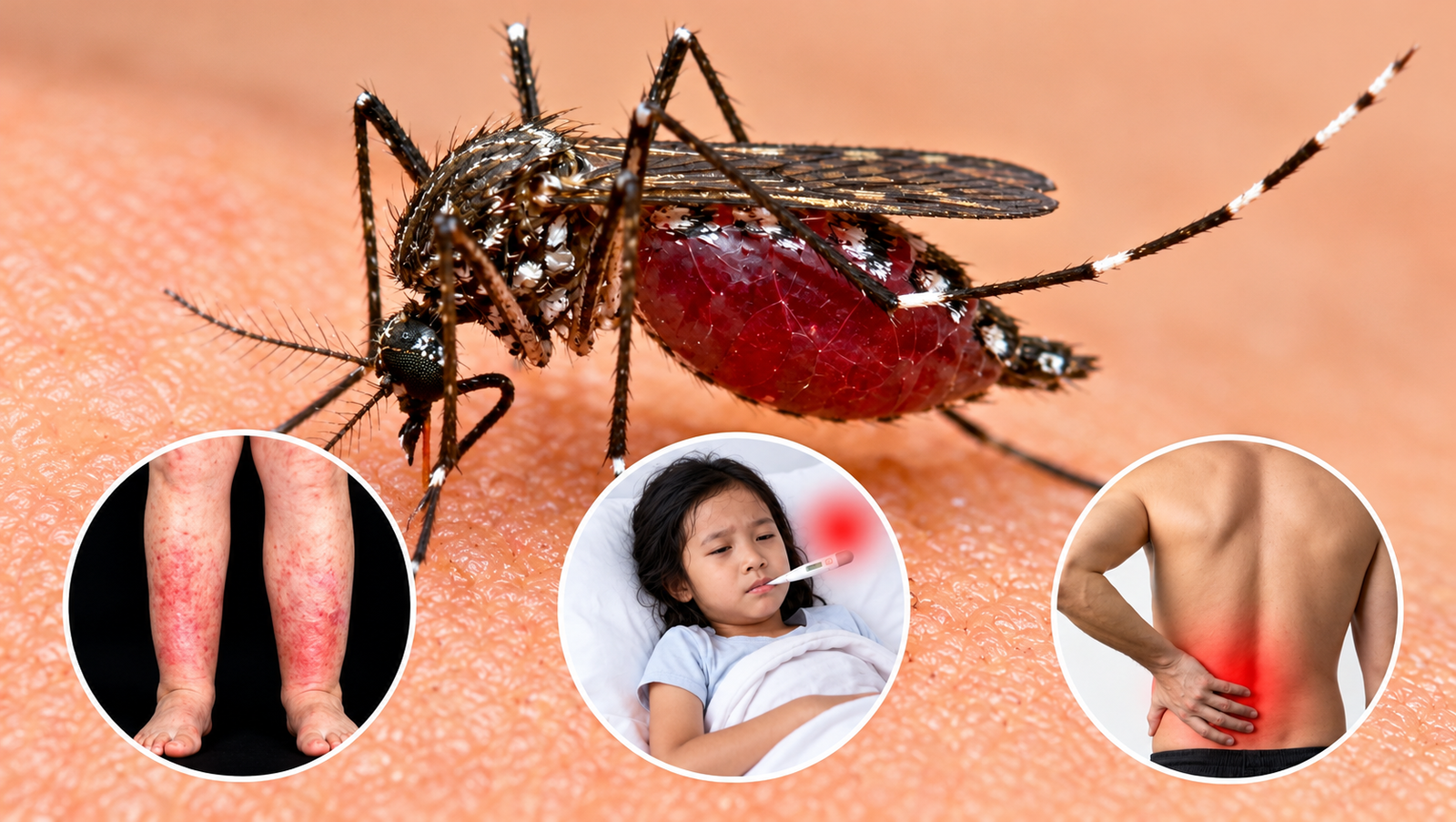
Chikungunya is a mosquito-borne viral illness that can cause sudden fever, severe joint pain, tiredness, and skin rashes. Recognizing the symptoms of chikungunya early can help you understand what is happening in your body and take appropriate steps toward recovery. Although many people improve within days or weeks, joint discomfort may continue for months in some cases.
What Are the Early Symptoms of Chikungunya?
The first chikungunya symptoms often appear suddenly after an infected mosquito bite.
Early signs include:
-
Sudden high fever
-
Severe joint pain
-
Headache
-
Muscle aches
-
Unusual tiredness or weakness
Weakness may also be linked to vitamin B12 deficiency.
Later signs may include:
-
Skin rash
-
Swelling around affected joints
-
Nausea or reduced appetite
-
Persistent joint stiffness
The symptoms of chikungunya virus infection can resemble dengue and other mosquito-borne illnesses.
When Do Symptoms Begin and End?
Symptoms generally develop around 3–7 days after an infected mosquito bite, although the incubation period can vary.
The chikungunya fever often improves within about a week. However, joint pain and stiffness may persist longer, particularly in older adults and people with existing joint problems.
Recovery varies between individuals. Some people return to their usual activities relatively quickly, while others experience lingering discomfort and fatigue.
Primary Causes of Chikungunya
The main chikungunya cause is infection with the chikungunya virus, which spreads primarily through the bites of infected Aedes mosquitoes, particularly Aedes aegypti and Aedes albopictus.
In simple terms, chikungunya is caused by a virus transmitted through mosquito bites rather than by eating particular foods or being exposed to cold weather.
The infection can spread when a mosquito bites an infected person and later transmits the virus to another person. Preventing mosquito bites is therefore essential for reducing transmission.
Which Unusual Symptoms Can Occur?
Besides common symptoms, some people experience less typical problems. The chikungunya fever rash may be accompanied by itching, while other symptoms can include:
-
Eye discomfort or inflammation
-
Digestive problems
-
Persistent fatigue
-
Unusual skin changes
-
Prolonged joint stiffness
Rarely, serious complications involving the eyes, heart, nervous system, or other organs can occur. New confusion, difficulty breathing, severe weakness, or chest pain should not be dismissed as ordinary viral symptoms.
How Is Chikungunya Diagnosed?
Because chikungunya can resemble dengue and other infections, symptoms alone cannot confirm the illness.
Testing methods may include:
-
RT-PCR testing: Can detect viral genetic material during the early phase of infection.
-
Antibody testing: Can help identify the body’s immune response, depending on when the sample is collected.
Accurate diagnosis matters because dengue can cause similar symptoms but may require different precautions, especially regarding bleeding risks and medication choices.
Which Home Remedies May Ease Symptoms?
There is no specific home remedy that eliminates the chikungunya virus. However, supportive care can help relieve discomfort and prevent dehydration.
These chikungunya remedies may support comfort during recovery:
-
Drink enough fluids: Water, oral rehydration solution when appropriate, and clear soups can help replace lost fluids.
-
Get adequate rest: Reduce strenuous activities while fever, fatigue, or joint pain continues.
-
Use a cool compress: A cool, damp cloth may help soothe discomfort or an itchy rash.
-
Try gentle movement: Once fever settles, gentle movements within a comfortable range may help prevent stiffness.
-
Wear loose clothing: Soft, breathable fabrics may feel more comfortable when the skin is sensitive.
You can also include vitamin B12-rich foods in your daily meals to support overall health.
Avoid strenuous exercise during the acute illness.
What Should You Eat During Recovery?
A balanced diet provides energy and nutrients that support normal immune function, muscle health, and tissue repair.
Consider including:
-
Fruits: Bananas, oranges, melons, and other fruits provide vitamins, minerals, and fluids.
-
Vegetables: Cooked carrots, spinach, and other vegetables supply essential nutrients.
-
Protein-rich foods: Eggs, lentils, beans, yogurt, fish, or other suitable protein sources support tissue maintenance.
-
Gentle meals: Choose foods such as soft rice, warm soup, or porridge when you don’t feel like eating much.
-
Fluids: Water and suitable soups help maintain hydration.
Coconut water can also contribute to fluid intake, but it should not replace oral rehydration solution when that is needed.
Which Foods Should You Limit?
There is no specific chikungunya food to avoid list, but limiting greasy meals and sugary drinks may help you feel more comfortable if you experience digestive discomfort.
You may wish to limit:
-
Sugary drinks that provide little nutritional value
-
Excessively greasy or heavy meals if they worsen nausea
-
Alcohol, particularly when dehydrated or taking medication
-
Foods that appear to trigger digestive discomfort
Eat smaller meals if you have a reduced appetite, and continue drinking fluids throughout the day. Avoid extreme diets or unnecessary food restrictions during recovery.
Who Is at Risk of Severe Complications?
Although chikungunya can affect people of any age, some groups have a higher risk of severe illness.
These include:
-
Newborns infected around the time of birth
-
Older adults, particularly those with underlying health conditions
-
People with chronic heart, kidney, or metabolic conditions
-
Individuals with significant immune-system problems
Severe symptoms require prompt medical assessment. Early attention is particularly important for high-risk individuals, even when the initial symptoms seem mild.
How Can You Prevent Chikungunya?
Prevention focuses on avoiding mosquito bites and reducing mosquito breeding sites around homes and workplaces. There is no proven chikungunya cure, so preventing mosquito bites is essential.
Useful measures include:
-
Apply an appropriate mosquito repellent according to its label.
-
Wear long sleeves and trousers when practical.
-
Use window screens, mosquito nets, or air conditioning where available.
-
Empty, cover, or clean containers that collect standing water.
- Pumpkin seeds provide useful nutrients that support overall health. Learn more about the benefits of pumpkin seeds.
These steps also help reduce the risk of other mosquito-borne infections, including dengue.
Conclusion
Recognizing the symptoms of chikungunya can help you identify a possible infection and take sensible steps toward recovery. Rest, adequate fluids, nutritious meals, and gentle movement when appropriate may help manage discomfort, but they cannot replace proper diagnosis when needed.
Frequently Asked Questions
1. How long does chikungunya recovery take?
Fever often settles within a week, but joint pain and fatigue may last several weeks or months in some people.
2. Can chikungunya symptoms return after recovery?
Joint pain or stiffness can persist or recur after the initial illness. Persistent or worsening symptoms deserve assessment to identify other possible causes.
3. Can chikungunya spread directly from person to person?
It does not usually spread through ordinary contact. Transmission occurs mainly through infected mosquitoes, although transmission around childbirth is possible in certain circumstances.
4. Can home remedies cure chikungunya?
No. Home remedies may support hydration and comfort, but they do not eliminate the virus. Supportive care remains the main approach to symptom management.
5. When should you get tested for chikungunya?
Consider testing if you develop sudden fever and significant joint pain, especially after mosquito exposure in an area where chikungunya occurs.
Reference:
- https://www.who.int/news-room/fact-sheets/detail/chikungunya
- https://www.cdc.gov/chikungunya/about/index.html

No Comments