
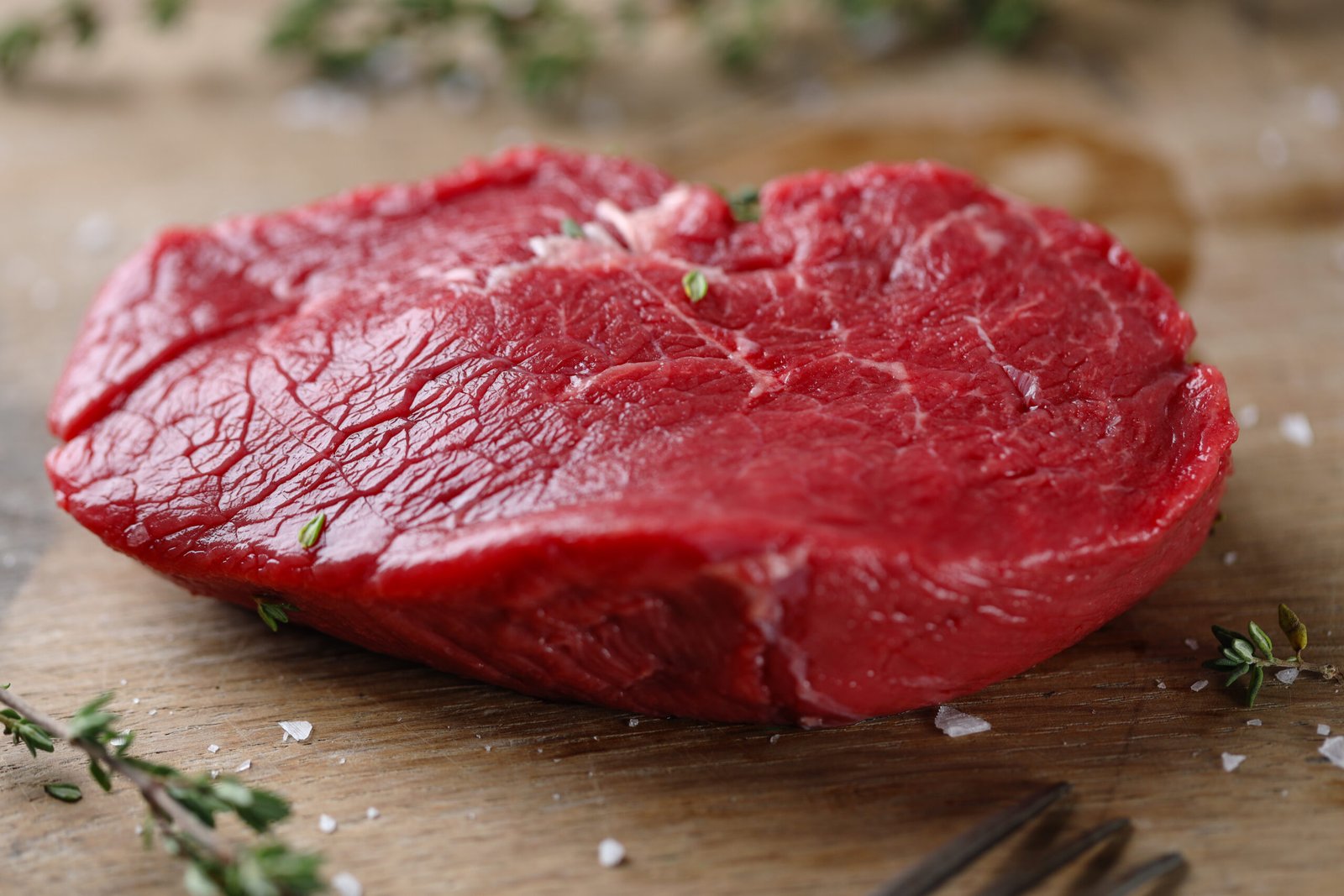
Red meat is a popular food choice worldwide because of its rich flavour, high protein content, and essential nutrients. It is commonly included in meals in the form of beef, pork, lamb, and goat meat. But is red meat healthy, and should you include it in your daily diet?
Red meat provides several important nutrients, including protein, iron, zinc, and vitamin B12, which support various bodily functions. However, eating too much red meat, particularly processed meat, may increase certain health risks.
Understanding red meat benefits, its nutritional value, and possible side effects can help you make informed food choices. Let’s explore what red meat is, its health benefits, potential risks, and how much you should eat.
What Is Red Meat?
If you are wondering what is red meat, it refers to meat that comes from mammals and generally has a higher myoglobin content than white meat. Myoglobin is a protein that stores oxygen in muscle tissue and gives meat its characteristic reddish colour.
Common examples include beef, pork, lamb, mutton, and goat meat. The colour may vary depending on the animal, cut, and preparation method.
Red Meat List: What Animals Are Considered Red Meat?
Here is a red meat list featuring some commonly consumed varieties:
-
Beef: Meat obtained from cattle.
-
Pork: Meat obtained from pigs.
-
Lamb: Meat obtained from young sheep.
-
Mutton: Meat obtained from mature sheep.
-
Goat meat: Meat obtained from goats.
-
Veal: Meat obtained from young cattle.
-
Venison: Meat obtained from deer.
These are some of the common examples of red meat animal sources. The classification generally depends on the type of animal rather than the meat’s appearance after cooking.
10 Red Meat Benefits You Should Know
When consumed in moderate quantities and prepared using healthier cooking methods, lean red meat can contribute several essential nutrients to your diet.
1. Provides High-Quality Protein
One of the major meat nutritional benefits is its high-quality protein content. Red meat contains all nine essential amino acids required by the body.
Protein supports muscle development, tissue repair, and the production of enzymes and hormones. Including moderate portions of lean beef or lamb in a balanced diet can help meet daily protein requirements.
2. Rich Source of Iron
Red meat is rich in iron, particularly haem iron, which is generally absorbed more efficiently by the body than non-haem iron found in plant foods.
People often search for red meat rich in iron because iron supports haemoglobin production and helps transport oxygen throughout the body. Beef and lamb are particularly useful dietary sources.
3. Supports Muscle Growth
The protein in red meat provides amino acids that help repair and maintain muscle tissue. This makes lean red meat a useful food choice for people who engage in regular physical activity and strength training.
However, muscle development also requires appropriate exercise, sufficient calories, and a balanced diet.
4. Provides Vitamin B12
Red meat is a good dietary source of vitamin B12, which supports nerve function, red blood cell formation, and DNA production.
A deficiency in this vitamin can contribute to fatigue, weakness, and certain neurological problems. Including suitable sources of vitamin B12 in your diet can help maintain normal body functions.
5. Supports Immune Function
Red meat contains zinc, an essential mineral involved in immune system function, wound healing, and cell growth.
Eating a balanced diet that includes zinc-rich foods can help support normal immune activity.
6. Helps Maintain Energy Levels
Iron and vitamin B12 play important roles in healthy red blood cell production and oxygen transport. Adequate intake of these nutrients helps support normal energy metabolism.
Red meat can contribute to meeting your nutritional requirements, although it is not a treatment for persistent fatigue.
7. Provides Essential Vitamins and Minerals
Understanding red meat vitamins and minerals helps explain why it can be part of a nutrient-rich diet.
Depending on the cut, red meat may provide:
-
Vitamin B12
-
Vitamin B6
-
Niacin (vitamin B3)
-
Zinc
-
Iron
-
Selenium
-
Phosphorus
These nutrients contribute to energy metabolism, immune function, and healthy cell activity.
8. Supports Healthy Blood Formation
Iron and vitamin B12 are essential for producing healthy red blood cells. Red meat contains both nutrients, making it a useful dietary option for people looking to improve their intake.
However, individuals with anaemia should seek medical advice rather than relying solely on red meat to address the condition.
9. Helps Maintain Overall Nutrition
Red meat provides a combination of protein, iron, zinc, and B vitamins. These nutrients contribute to several important functions, including tissue maintenance, metabolism, and normal immune activity.
Including lean portions alongside vegetables, whole grains, and other nutrient-rich foods can help create balanced meals.
10. Contains Important Trace Minerals
Red meat also supplies minerals such as selenium and phosphorus. Selenium supports antioxidant enzymes and thyroid function, while phosphorus contributes to healthy bones and normal energy production.
These minerals are needed in relatively small amounts but play important roles in maintaining overall health.
What Is the Nutritional Value of Red Meat?
If you are asking what is the nutritional value of red meat, it depends on the animal, cut, fat content, and cooking method.
A 100-gram serving of lean cooked beef generally provides:
|
Nutrient |
Approximate amount |
|---|---|
|
Protein |
26 g |
|
Iron |
2.5 mg |
|
Zinc |
6 mg |
|
Vitamin B12 |
2.5 mcg |
|
Vitamin B6 |
0.4 mg |
Red meat vitamins are particularly valuable because they support energy metabolism, blood formation, and nervous system function.
Red Meat vs White Meat: What’s the Difference?
The main difference between red meat vs white meat is their animal source, myoglobin content, and nutritional composition.
|
Red meat |
White meat |
|---|---|
|
Beef, lamb, pork and goat |
Chicken and turkey |
|
Generally richer in haem iron |
Generally contains less haem iron |
|
Often provides more vitamin B12 |
Provides protein and B vitamins |
|
Fat content varies by cut |
Fat content varies by cut |
Both can provide high-quality protein. Choosing lean cuts and eating a variety of protein sources can support a balanced diet.
List of Red Meats to Avoid or Limit
Although fresh red meat can provide essential nutrients, it is important to limit processed meat products.
Consider reducing your intake of:
-
Bacon
-
Sausages
-
Salami
-
Ham
-
Hot dogs
-
Corned beef
-
Cured and smoked meat products
Processed meats are associated with an increased risk of colorectal cancer. Excessive red meat consumption is also linked to increased colorectal cancer risk.
FAQs
1. Is red meat good for health?
Yes, lean red meat can be part of a balanced diet. It provides protein, iron, zinc, and vitamin B12. However, excessive consumption should be avoided.
2. What are the healthiest types of red meat?
Lean cuts of beef, lamb, and goat can be nutritious options. Choose fresh, unprocessed meat and remove visible fat before cooking.
3. Is red meat rich in iron?
Yes. Red meat contains haem iron, which the body can absorb more easily than non-haem iron from plant-based foods.
4. Can eating red meat every day be harmful?
Regularly eating large amounts of red meat may increase certain health risks, particularly colorectal cancer. It is better to consume moderate portions and include other protein sources in your diet.
5. Which red meats should I avoid?
It is best to limit processed meats such as bacon, sausages, salami, ham, and hot dogs. Choose fresh, lean meat instead.
Reference
https://www.health.harvard.edu/healthy-aging-and-longevity/whats-the-beef-with-red-meat
https://www.healthline.com/nutrition/is-red-meat-bad-for-you-or-good
0 200
No Comments