
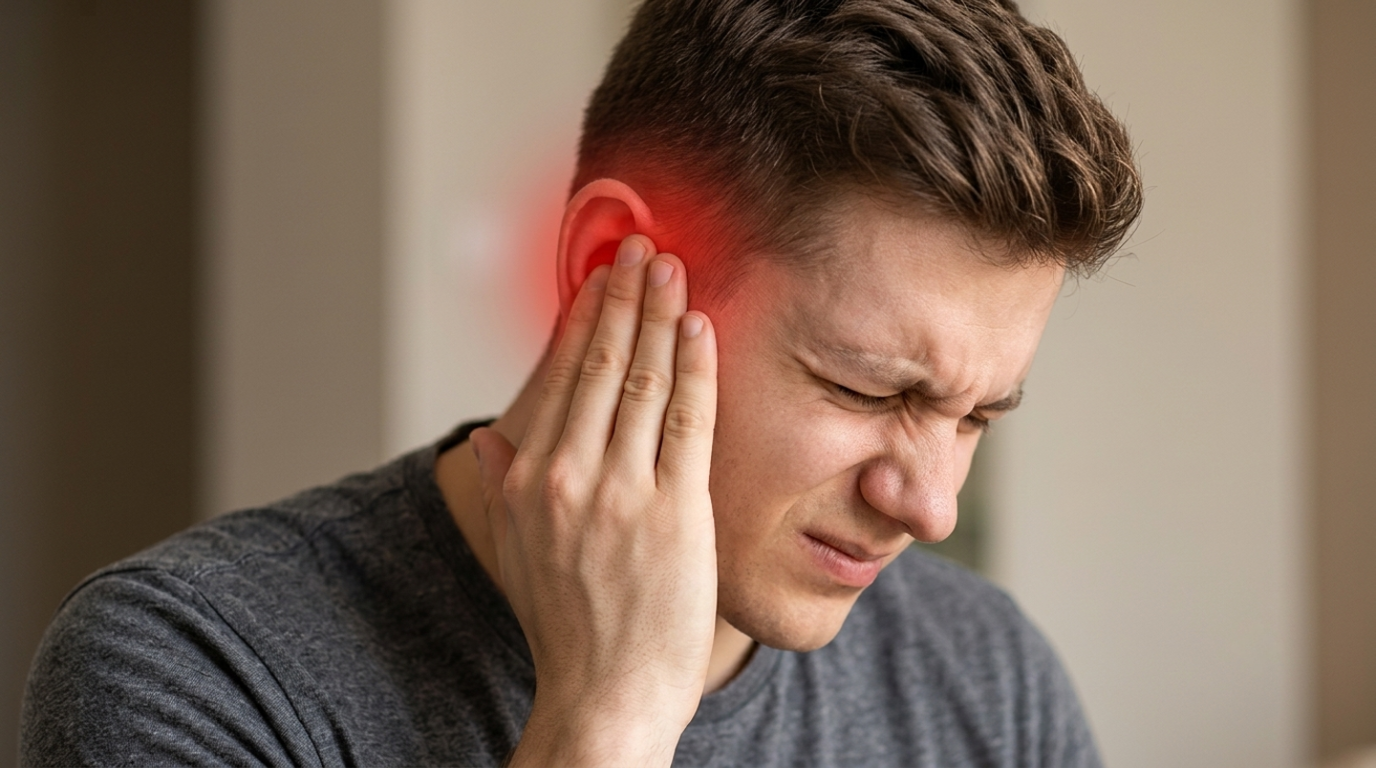
Ear pain can begin with mild discomfort, pressure or a blocked feeling. Sometimes, these changes are linked to a cold, fluid buildup or an ear infection. Recognizing the early signs can help you understand what may be affecting your ears.
Ear problems can affect adults, children and newborns. They may also interfere with sleep, balance, hearing and daily activities. Knowing the possible causes and symptoms can help you make informed decisions about ear health.
Early Signs of Ear Infection
The first signs may be mild but can become more noticeable over time. Ear infection symptoms depend on the affected area and the underlying cause.
Common signs include:
-
Ear pain or tenderness
-
A feeling of fullness or pressure
-
Muffled sounds or reduced hearing
-
Fluid or discharge from the ear
-
Itching or irritation
-
Fever or unusual discomfort
-
Difficulty sleeping
These symptoms may develop quickly or become noticeable over time. Health symptoms can have different causes, just as Peanut Allergy Symptoms may involve skin, stomach or breathing changes.
Ear Pain Causes and Cold-Related Pain
Ear discomfort can occur for reasons other than an infection. Several conditions can cause discomfort or pressure inside the ear.
Headaches may also occur alongside congestion. Does Dehydration Cause Headaches discusses another possible reason for head discomfort.
Other possible causes include:
-
Left ear pain can be caused by pressure changes, irritation, or fluid buildup.
-
Sinus congestion and allergies
-
Earwax buildup
-
Water trapped inside the ear
-
Jaw joint problems
-
Changes in air pressure
One possible reason is ear pain due to cold. Congestion can affect the Eustachian tube, making it difficult to regulate middle ear pressure.
Types of Ear Infections
Ear infections affect different parts of the ear, and their symptoms depend on the location.
For general nutritional awareness, Vitamin K Rich Food covers another aspect of everyday health.
The main types include:
-
Outer ear infection: Also called otitis externa, it may cause itching, redness, and ear canal pain.
-
Middle ear infection: Develops behind the eardrum and may involve fluid buildup.
-
Inner ear problems: May affect balance and hearing.
The term external otitis media is sometimes used incorrectly. Otitis externa refers to an outer ear infection, while otitis media affects the middle ear.
Otitis Media and Middle Ear Fluid
Otitis media affects the middle ear, which lies just behind the eardrum.. It often develops when fluid builds up in this area, sometimes after a cold or respiratory infection.
There are two main forms:
-
Acute otitis media: Develops suddenly and may cause ear pain, fever and pressure.
-
Otitis media with effusion: Fluid collects behind the eardrum without the usual signs of an active infection.
Some common otitis media symptoms include muffled hearing, ear discomfort, pressure and irritability in children.
Viral infections, bacteria and Eustachian tube problems are among the possible otitis media causes.
Fungal Ear Infection Causes
A fungal ear infection develops when fungi grow in the outer ear canal. This fungal ear condition is called otomycosis.
Ear infection fungus may develop due to:
-
Excess moisture inside the ear
-
Frequent swimming
-
Warm and humid conditions
-
Scratches in the ear canal
-
Inserting objects into the ear
Symptoms may include itching, flaky skin, discomfort, discharge, and a blocked sensation.
Balanced nutrition supports general health. Vitamin B12 Foods explains dietary sources of this essential nutrient, although it is not a specific remedy for fungal infections.
Ear Infection and Hearing Loss
Fluid or swelling inside the ear can affect the way sound is transmitted.
The main types of hearing loss include:
-
Conductive hearing loss: Sound transmission becomes less effective through the outer or middle ear.
-
Sensorineural hearing loss: Changes involving the inner ear or auditory nerve affect hearing.
-
Mixed hearing loss: A combination of both types.
Temporary hearing changes may occur with middle ear fluid. However, persistent hearing difficulties should not be ignored.
A hearing loss check can identify changes in hearing. Some people with slight hearing difficulties may find a hearing aid helpful.
Home Care for Ear Pain
Simple steps may help relieve mild ear discomfort, but they may not clear an infection.
Some ear pain remedies at home include:
-
Apply a warm compress.
-
Keep your ears dry.
-
Avoid inserting cotton buds.
-
Get enough rest and fluids.
Adults considering ear pain drops for adults should choose carefully, as some drops may be unsafe if the eardrum is damaged. Avoid unverified home mixtures or leftover drops.
Newborn Ear Infection Symptoms
Newborns cannot explain ear pain, so parents should watch for changes in their behaviour.
Newborn ear infection symptoms may include:
-
Frequent crying or fussiness
-
Difficulty sleeping
-
Reduced feeding
-
Fever
-
Pulling or rubbing the ear
-
Increased discomfort while lying down
These symptoms can also have causes unrelated to an infection. Similar changes can occur with other childhood conditions.
For broader infant health awareness, Chickenpox in Babies covers another condition parents may encounter.
Newborns with fever, poor feeding, unusual sleepiness, or suspected ear infections need prompt medical assessment.
Frequently Asked Questions
1. Can a cold trigger an ear infection?
Yes. A cold can cause swelling around the Eustachian tube, allowing fluid to collect in the middle ear.
2. How can you identify an ear infection early?
Ear pain, pressure, muffled hearing, discharge, and fever may indicate an infection.
3. Can an ear infection lead to hearing loss?
Yes. Fluid or inflammation in the ear can temporarily affect hearing.
4. Is otitis media a middle ear infection?
Yes. Otitis media describes inflammation or infection affecting the middle ear behind the eardrum.
5. Can fungal infections develop inside the ear?
Yes. Fungi can grow in the outer ear canal, particularly in warm and moist conditions.
Conclusion
Noticing early ear changes may help you identify possible signs of an infection. Ear pain, pressure, discharge, and hearing changes may indicate different underlying problems.
From otitis media and fungal infections to fluid buildup, each condition can affect the ear differently. Paying attention to symptoms and maintaining ear hygiene can support better hearing and overall well-being.
References:
- https://my.clevelandclinic.org/health/diseases/8613-ear-infection-otitis-media
- https://www.mayoclinic.org/diseases-conditions/ear-infections/symptoms-causes/syc-20351616
0 200


No Comments