
Red Dye 40, also called FD&C Red No. 40 or Allura Red AC, is one of the most widely used synthetic food colors. It gives foods and drinks a bright red, orange-red, or pink appearance and is commonly found in candy, beverages, desserts, cereals, snack foods, sauces, and other processed products. In the United States, Red 40 remains an approved color additive and is listed by the FDA as a permanently listed color additive that requires certification.
What Is Red Dye 40?
Red 40 is a synthetic color additive rather than a natural ingredient. Like other certified food colors, it is manufactured from chemical raw materials and must meet FDA requirements for identity, purity, and permitted use. Color additives must be approved before they can legally be used in foods in the United States.
Red Dye 40 is a synthetic food coloring used widely in processed foods, but concerns remain about potential sensitivities and behavioral effects.
Is Red 40 Safe?
So, is red 40 safe? For most people, current U.S. regulations consider approved uses of Red 40 acceptable when the additive is used according to established requirements. However, “approved” does not necessarily mean that every person will respond to it in exactly the same way.
The FDA has reviewed research concerning food colors and children’s behavior. Its current position is that most children do not experience adverse effects from junk foods containing color additives, although some children may be sensitive to them.
Is Red 40 Dangerous?
Is red 40 dangerous? The evidence does not support the idea that Red 40 is universally dangerous at permitted food-use levels. However, concerns about synthetic food dyes have increased, particularly regarding children’s diets and behavioral sensitivity.
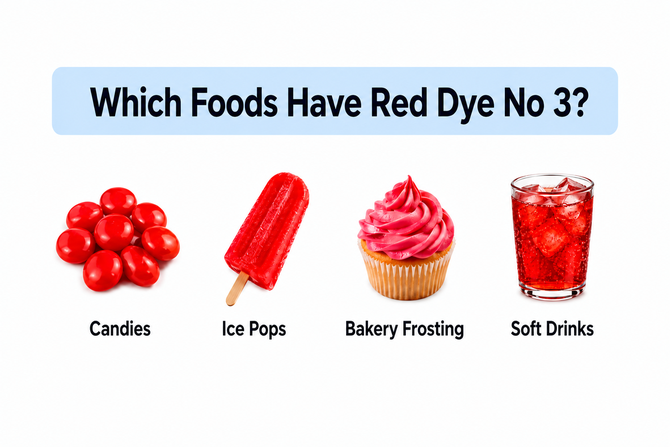
It is also important to distinguish Red 40 from other red dyes. A major source of confusion is Red No. 3, which is a different color additive. In January 2025, the FDA revoked authorization for Red No. 3 in foods and ingested drugs, with food products required to phase it out by January 15, 2027, and ingested drugs by January 18, 2028.
What Is Red Dye 40, and Why Is It a Concern?
Red Dye 40 is a synthetic food coloring commonly used in candy, drinks, desserts, and snacks. Concerns focus on possible sensitivities and behavioral effects, especially in children.
Red 40 Why Is It Bad?
People searching for red dye 40 why is it bad are often concerned because Red 40 provides color but no meaningful nutritional benefit. It can also appear in highly processed foods that are already high in added sugar, sodium, or saturated fat.
That does not mean Red 40 itself is responsible for all of the health concerns associated with these foods. Instead, looking at the entire ingredient list and nutritional profile is a better approach.
Red Food Dye and Kids: ADHD, Cancer Myths, Allergies, and Safety Explained
Red food dyes have raised concerns about ADHD and anxiety, cancer, and allergies in children. Research on behavior has produced mixed results, and sensitivity may vary.
Red 40 Side Effects
Potential Red 40 side effects are an area of ongoing scientific and regulatory interest. Some people report sensitivity to artificial colors, while research on behavioral effects in children has produced mixed findings. The FDA says most children do not have adverse effects, but some may be sensitive.
Anyone experiencing recurring symptoms after eating a particular food should consider keeping a food diary and speaking with a qualified healthcare professional rather than eliminating large numbers of foods without guidance.
Why Is Red 40 Banned?
A common search question is why is red 40 banned, but this wording is misleading in the United States. Red 40 has not been federally banned in the U.S. The FDA still lists FD&C Red No. 40 as an approved color additive.
Is Red Dye 40 Safer Than Red Dye 3?
Red Dye 40 and Red Dye 3 are different synthetic food colors. Red Dye 40 remains approved for food use in the U.S., while the FDA revoked authorization for Red Dye 3 in 2025.
What About the U.S. Ban on Red Dye 3?
This action applies to Red 3, not Red 40.
Foods With Red Dye 40
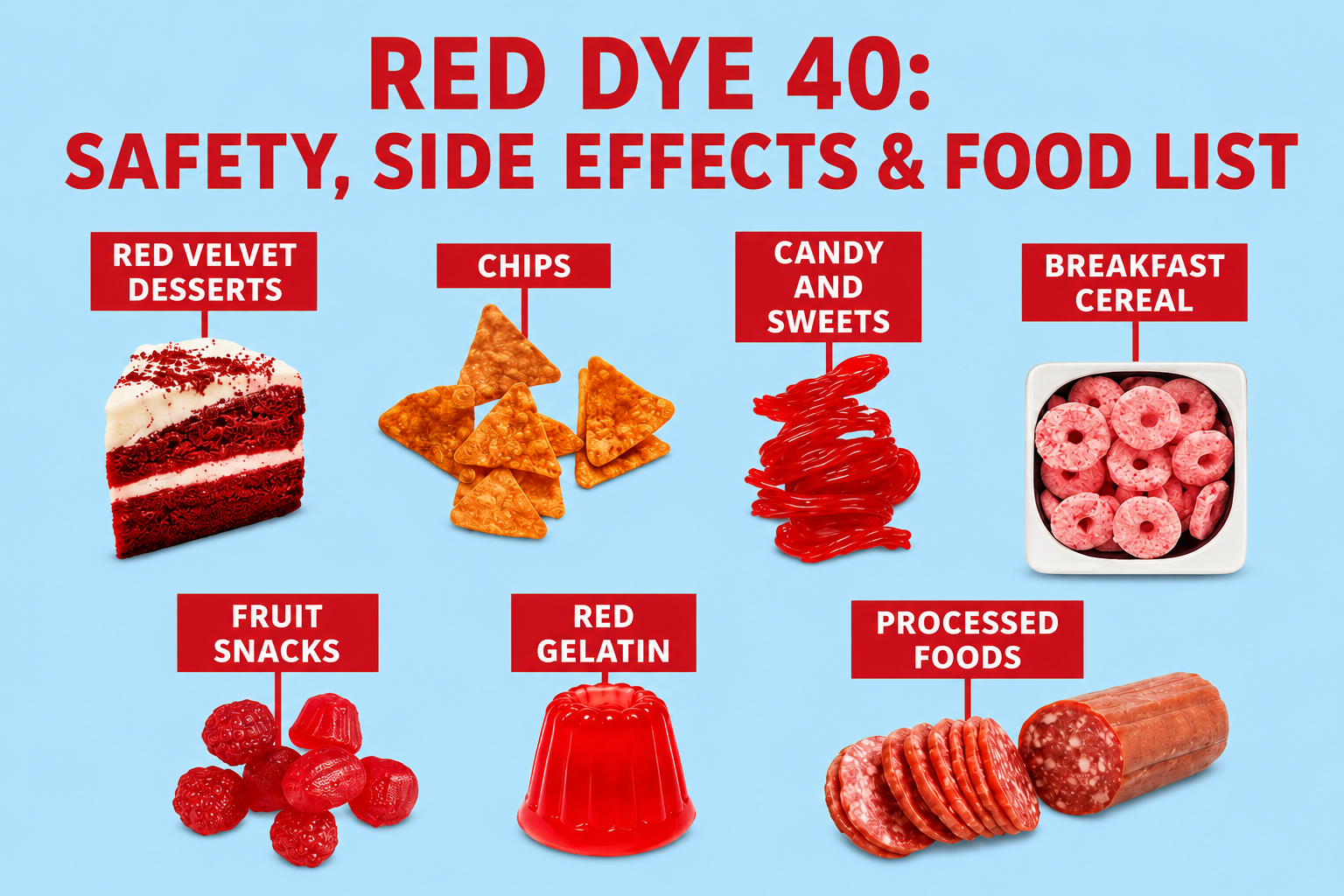
Red 40 can appear in many brightly colored processed foods. Examples may include:
- Red or pink candy
- Fruit-flavored snacks
- Frosting and cake decorations
- Cereals
- Soft drinks and powdered drink mixes
- Flavored desserts
- ketchup without red dye 40
- Candy without red dye 40
- Some sauces and snack products
Because recipes change, the safest approach is to read the ingredient label rather than relying on a general list.
If you want foods without red dye 40, choose products whose ingredient lists do not include “Red 40,” “FD&C Red No. 40,” or “Allura Red.”
For families trying to reduce artificial colors, preservative and dye free snacks can be another option. Fresh fruit, vegetables, plain healthy nuts, minimally processed foods, and products specifically labeled without artificial colors may make label checking easier.
Can Red Food Dye Cause Inflammatory Bowel Disease?
There is not enough evidence to conclude that Red Dye 40 directly causes inflammatory bowel disease (IBD). Some research suggests certain food additives may affect the gut, but human evidence remains limited.
FAQs
1. Is Red 40 safe to eat?
For most people, Red 40 is considered acceptable for its approved uses under current U.S. regulations. Some individuals may prefer to limit artificial colors because of personal sensitivity or dietary preferences.
2. Is Red 40 banned in the United States?
No. Red 40 remains approved for food use in the United States. The FDA has announced efforts to transition away from several petroleum-based synthetic dyes, including Red 40, but this is not the same as a current federal ban.
3. Is Red 40 the same as Red 3?
No. Red 40 and Red 3 are different synthetic color additives. The FDA revoked authorization for Red 3 in food and ingested drugs, with food products receiving until January 15, 2027 to reformulate.
4. What is Natural Red Dye for Food?
A natural red dye for food can come from sources such as beets, fruits, vegetables, or other naturally derived colorants. The FDA lists examples of color additives exempt from certification, including dehydrated beets and grape skin extract, although permitted uses depend on the specific additive and regulation.
5. Can I avoid Red 40?
Yes. Choose foods labeled without artificial colors, or select minimally processed foods and products colored with permitted natural colorants. Always check the ingredient list because formulations can change.
Reference
https://www.healthline.com/nutrition/red-dye-40
https://www.goodrx.com/well-being/diet-nutrition/what-is-red-dye-40
0 200

No Comments