

To ease heel pain at home, focus on resting your feet, applying ice, performing gentle stretches, and wearing supportive footwear. Heel pain can result from plantar fasciitis, a condition affecting the tissue along the bottom of your foot. Simple home care may help reduce discomfort and support recovery.
If you are looking for how to Relieve Heel Pain Quickly at Home, the first step is to identify what may be causing the discomfort. Rest, ice therapy, gentle stretching, and supportive shoes can help reduce symptoms. However, persistent or severe pain may require medical evaluation to determine the underlying cause.
What Causes Heel Pain in the Foot?
Understanding the cause of heel pain in foot is important before choosing a treatment. Heel discomfort can affect the bottom, back, or sides of the heel.
Common causes include:
-
Plantar fasciitis: Inflammation or irritation of the thick band of tissue connecting the heel to the toes. Pain is often worse during the first steps in the morning.
-
Achilles tendinopathy: Irritation of the tendon connecting the calf muscles to the heel bone, which can cause pain at the back of the heel.
-
Excessive standing or walking: Spending long hours on hard surfaces can place additional stress on the heel.
-
Footwear problems: Flat, worn-out, or poorly fitting shoes may provide insufficient cushioning and support.
-
Heel injuries: Sudden increases in exercise, awkward landings, or direct impact can injure the tissues around the heel.
The heel pain reason in female can include prolonged standing, changes in physical activity, unsuitable footwear, and pregnancy-related changes in body weight and foot mechanics. These factors do not affect everyone in the same way, so persistent symptoms should be assessed individually.
How to Relieve Heel Pain Quickly at Home
Several home remedies may help ease mild heel pain. Recovery time depends on the cause and severity of the problem.
1. Rest and Reduce Pressure on Your Heel
Rest is one of the simplest options for heel pain treatment home. Cut back on activities that worsen heel pain, including running, jumping, and standing for long periods, until your symptoms improve.
Complete bed rest is usually unnecessary. Gentle movement is usually appropriate if it does not worsen your symptoms. Gradually return to your normal activities as your heel becomes more comfortable.
2. Apply Ice to the Painful Area
Ice can help relieve pain after prolonged walking to lose weight or exercise. Wrap an ice pack in a thin towel and apply it to the affected heel for 15–20 minutes at a time.
If the bottom of your heel hurts, try gently rolling your foot over a chilled water bottle for relief. Avoid applying ice directly to your skin, and stop if you experience numbness or irritation.
3. Try Gentle Stretching Exercises
Gentle stretching may help reduce tension in the calf muscles and plantar fascia. This can be useful when looking for a cure for pain in heel of foot, particularly when discomfort is associated with plantar fasciitis.
Try these exercises:
-
Calf stretch: Stand facing a wall, place one foot behind the other, and gently bend your front knee while keeping your back heel on the floor.
-
Plantar fascia stretch: Sit down and gently pull your toes toward your shin until you feel a mild stretch along the bottom of your foot.
-
Gentle foot rolling: Roll your foot over a soft massage ball for a short period without pressing directly into severe pain.
Hold stretches for approximately 20–30 seconds and repeat a few times, provided they feel comfortable. Stop any exercise that increases pain.
4. Wear Supportive Shoes
Choosing suitable footwear can make walking more comfortable. Choose shoes that offer good cushioning, reliable arch support, ample toe space, and a comfortable fit.
Heel pain support shoes may help reduce pressure on the affected area, especially if you spend much of the day standing. Avoid walking barefoot on hard floors when this aggravates your symptoms.
If you experience heel pain with shoes, check whether your footwear is too tight, worn out, or rubbing against the back of your heel. A podiatrist or other qualified healthcare professional can help you select appropriate footwear or heel inserts.
5. Modify Your Exercise Routine
The relationship between heel pain and exercise depends on the underlying cause. High-impact activities may worsen symptoms, while gentle, low-impact activities can help maintain general fitness.
Consider temporarily replacing running or jumping with swimming or another activity that does not aggravate your heel. Increase exercise intensity gradually when symptoms improve.
Avoid pushing through sharp or worsening pain. If walking becomes difficult, seek medical advice before continuing your usual workout.
6. Consider Appropriate Pain Relief
If home remedies are not enough, an over-the-counter pain reliever may provide temporary relief. Follow the product instructions and ask a pharmacist or healthcare professional which option is suitable for you, particularly if you have existing medical conditions, take other medicines, or are pregnant.
Pain relief can reduce discomfort, but it does not necessarily treat the underlying cause of heel pain.
How to Heal a Heel Injury Safely
If you are wondering how to heal a heel injury, start by protecting the affected foot, reducing activities that cause pain, and applying ice when appropriate.
Minor soft-tissue injuries may improve with conservative care, but a fracture or significant tendon injury requires medical assessment. Seek prompt care if the pain began after a fall or sudden injury, you heard a popping sound, or you cannot bear weight on your foot.
The best approach to how to heal painful heel symptoms depends on the diagnosis. Avoid aggressive massage, forceful stretching exercises, or returning to sports too soon.
For anyone searching for ways to heal heel discomfort, remember that recovery may take days or several weeks, depending on the cause. Plantar fasciitis and other persistent conditions can take longer to improve.
Is Heel Pain a Sign of Cancer?
Is heel pain a sign of cancer? Heel pain is rarely caused by cancer. More common explanations include plantar fasciitis, tendon problems, injuries, and footwear issues.
However, persistent unexplained pain, a growing lump, pain at rest or at night, or symptoms that continue to worsen should be evaluated by a healthcare professional. These symptoms do not automatically mean cancer, but they should not be ignored.
FAQs
1. How to Relieve Heel Pain Quickly at Home
Rest from painful activities, apply ice for 15–20 minutes, try gentle stretching, and wear supportive shoes. Improvement depends on the cause of the pain.
2. What is the best home remedy for heel pain?
Rest, ice therapy, gentle calf and plantar fascia stretches, and supportive footwear are common options for mild heel pain. No single remedy works for every condition.
3. Can walking make heel pain worse?
Yes. Long walks or walking on hard surfaces may aggravate some heel conditions. Reduce the distance temporarily and choose activities that do not increase your symptoms.
4. How long does heel pain take to heal?
Mild discomfort may improve within days, while conditions such as plantar fasciitis can take several weeks or longer. Persistent pain should be assessed by a healthcare professional.
5. When should I seek medical help for heel pain?
Seek medical advice if pain is severe, persistent, worsening, or associated with swelling. Get urgent care if you cannot bear weight after an injury or develop signs of infection.
Reference
https://www.mayoclinic.org/diseases-conditions/plantar-fasciitis/symptoms-causes/syc-20354846
https://www.medicalnewstoday.com/articles/181453a
0 200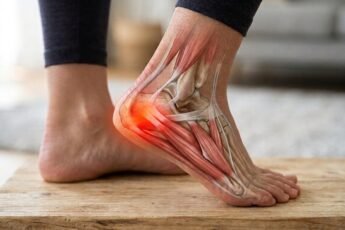
No Comments