
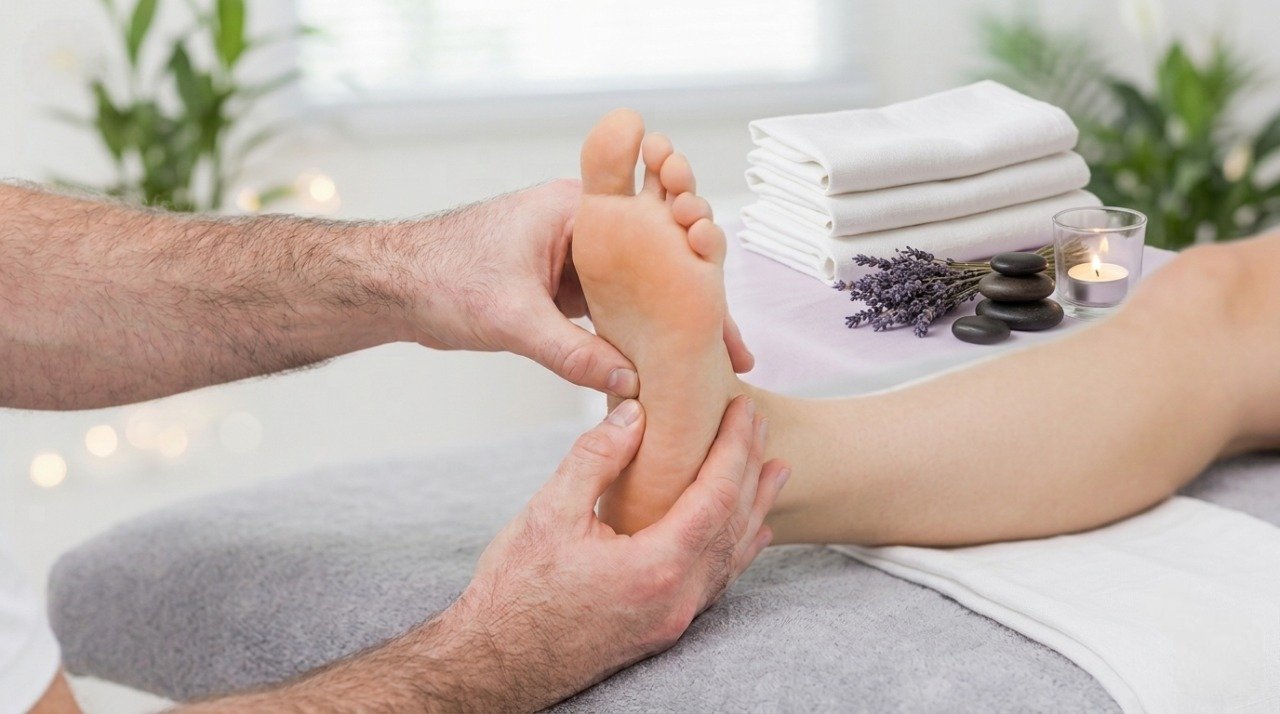
A Reflexology Chart Feet guide helps readers explore different foot zones and understand their traditional associations with various body parts. From the toes and arches to the heels, each area has a specific place on a traditional reflexology map. Whether you are exploring a feet reflexology chart for the first time or learning about pressure-point massage, understanding these areas can make the practice easier to follow.
What Is a Reflexology Chart Feet?
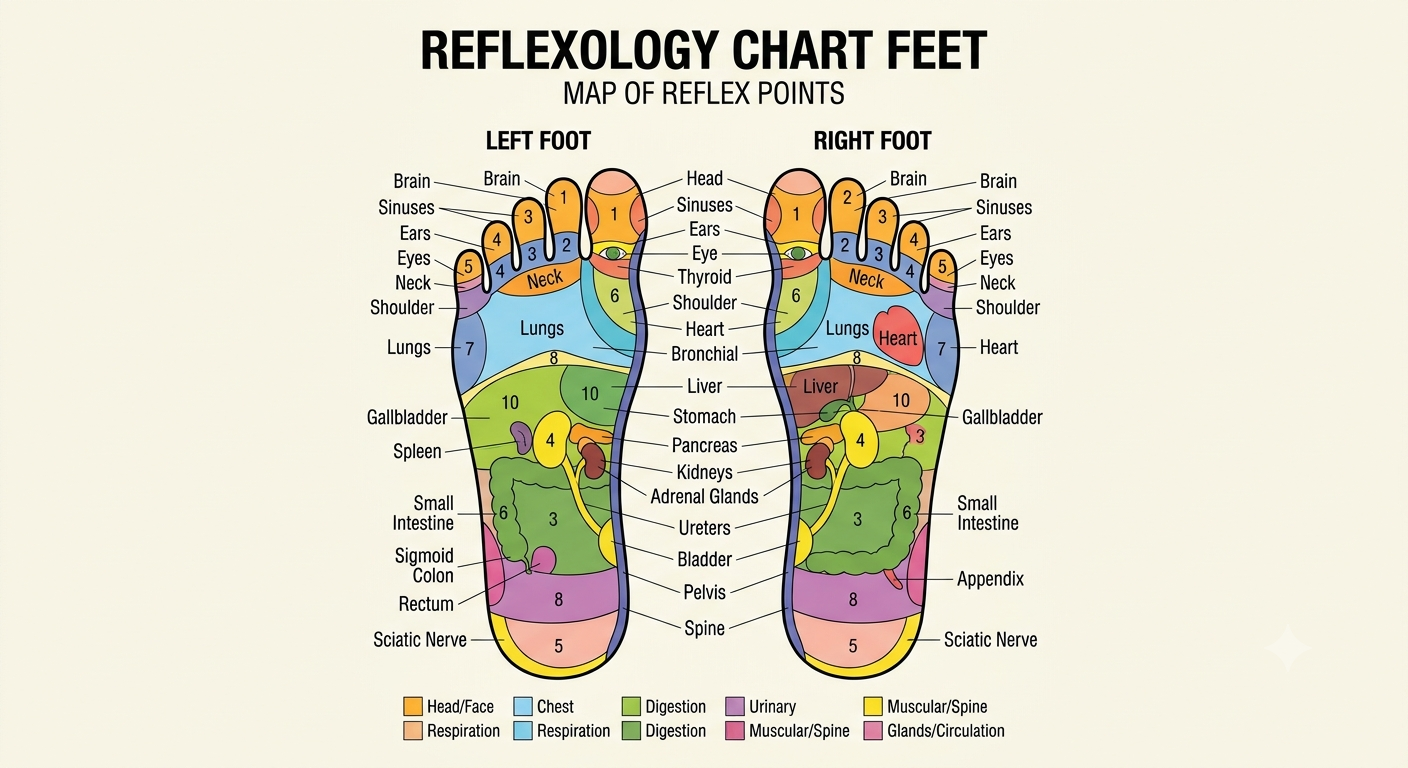
A foot reflexology chart is a visual guide that divides the feet into different zones. In traditional reflexology, these zones are believed to correspond to particular areas of the body.
A reflexology chart foot diagram generally highlights:
-
Toes: Traditionally associated with the head and neck.
-
Ball of the foot: Associated with the chest and upper body.
-
Arch: Traditionally linked with the abdominal area.
-
Heel: Associated with the lower body and pelvic region.
-
Inner and outer edges: Represent different zones on traditional foot maps.
These associations are part of reflexology traditions and are not scientifically established anatomical connections.
Reflexology Chart Feet: Pressure Points and Their Meanings
Understanding the location of different foot reflexology points makes a chart easier to read. Each zone has a traditional association that practitioners use as a guide during a reflexology session.
Here is a simple overview:
-
Big toe: Traditionally associated with the head and brain.
-
Other toes: Associated with the sinuses and facial areas.
-
Ball of the foot: Linked to the chest and lungs.
-
Middle arch: Traditionally associated with the stomach and digestive area.
-
Lower arch: Linked to the intestinal area.
-
Heel: Associated with the pelvic and lower-body region.
-
Inner foot edge: Traditionally linked to the spinal area.
The heel may experience discomfort after prolonged standing or walking. Read our guide on heel pain home remedies for simple ways to manage everyday heel discomfort.
A traditional chart uses these zones to explain how different areas are mapped across the feet. Gentle pressure is generally preferred over forceful pressing.
Left Foot vs. Right Foot Reflexology Chart
Although both feet contain similar reflexology zones, traditional maps sometimes assign different body-side associations to the left and right feet.
A foot reflexology chart right foot commonly highlights traditional associations with the right side of the body. Similarly, a foot reflexology chart left foot illustrates corresponding areas associated with the left side.
Some traditional chart differences include:
-
Left foot: Often associated with the left side of the body.
-
Right foot: Often associated with the right side of the body.
-
Both feet: Include zones traditionally linked with central body areas.
Comparing both diagrams can help readers understand the overall layout of reflexology zones.
Female Foot Massage Pressure Points and Foot Zones
A female foot reflexology chart generally follows the same traditional zone layout used in standard reflexology charts. There is no separate scientifically established pressure-point system based on gender.
When exploring Female foot massage pressure points, focus on these commonly illustrated areas:
-
Toe tips and toe pads.
-
Ball of the foot.
-
Centre of the arch.
-
Inner foot edge.
-
Heel and outer foot edge.
These areas can be gently massaged for relaxation and general foot comfort. Individual foot shape and sensitivity may vary.
Hormonal changes can affect overall well-being, and some women notice changes in their daily comfort and energy levels. Understanding the symptoms of hormonal imbalance can help readers recognise common signs.
These foot areas can be gently massaged for relaxation and general foot comfort.
How to Read and Use a Foot Reflexology Chart
Reading a reflexology diagram is relatively simple once you understand its basic layout. Traditional foot maps divide the sole into sections, making it easier to identify different pressure-point locations.
Follow these simple steps:
-
Choose a clear reflexology diagram showing both feet.
-
Identify the toes, ball, arch, and heel.
-
Locate the pressure-point zones marked on the chart.
-
Use your fingertips to apply gentle circular pressure.
-
Move gradually between different areas without pressing too hard.
A foot reflexology therapy session can be approached as a relaxing self-care activity. Keep the pressure comfortable and avoid massaging areas that feel painful or irritated.
Potential Benefits of Foot Reflexology for Overall Well-Being
Reflexology is often included in wellness routines because gentle foot massage can feel relaxing and soothing. However, claims that individual foot points improve specific organ functions or cure health conditions are not supported by strong scientific evidence.
Some potential wellness benefits include:
-
Relaxation: Gentle massage may help create a calming experience.
-
Stress relief: A quiet massage routine can support relaxation.
-
Foot comfort: Gentle pressure may ease temporary feelings of tiredness. For additional foot-care tips, heel pain remedies can provide useful self-care information.
-
Better self-care: Regular foot massage can encourage mindful relaxation.
-
Body awareness: Exploring different foot areas helps people become more familiar with foot sensitivity.
-
Comfort after activity: A gentle massage may feel soothing after a long day of standing or walking.
The experience can vary from person to person. Reflexology should be viewed as a complementary relaxation practice rather than a way to improve the functioning of internal organs.
Common Foot Reflexology Techniques
Different techniques are used during Reflexology foot therapy and general foot massage. The aim is to apply comfortable pressure without causing discomfort.
Common techniques include:
-
Thumb walking: Using small, controlled thumb movements across the sole.
-
Circular massage: Making gentle circular movements with the fingertips.
-
Finger pressure: Applying light pressure to selected areas.
-
Heel massage: Using the palm to gently massage the heel.
-
Arch massage: Moving the thumb slowly along the arch.
A balanced diet also supports overall wellness. Include vitamin B12-rich foods such as eggs and fortified foods to support normal nerve function. Adequate vitamin B12 Food intake is another important part of maintaining general health.
A foot therapy massage can also include gentle ankle movements and light rubbing to make the experience more comfortable.
Conclusion
Understanding a Reflexology Chart Feet diagram makes it easier to explore traditional foot zones, pressure-point locations, and their commonly described body associations. From the toes and arches to the heels, each area has a place on the traditional reflexology map. With gentle techniques and realistic expectations, foot reflexology can become a relaxing addition to a general self-care routine.
Frequently Asked Questions About Reflexology Chart Feet
1. What is foot reflexology chart?
A foot reflexology chart is a visual diagram showing traditional pressure-point zones on the feet and their commonly described body associations.
2. Are left and right foot reflexology charts different?
Yes. Traditional charts may show different left-side and right-side body associations, although many zones appear on both feet.
3. Which foot pressure points are commonly shown?
The toes, ball, arch, heel, and inner and outer edges are commonly included in reflexology diagrams.
4. How long should you massage foot reflexology points?
A gentle massage can last around 5–10 minutes, depending on comfort and personal preference. Avoid excessive pressure.
5. Is foot reflexology suitable for men and women?
Traditional reflexology charts are generally suitable as reference diagrams for adults of any gender. The basic zone layout does not change based on gender.
References:
0 200

No Comments