
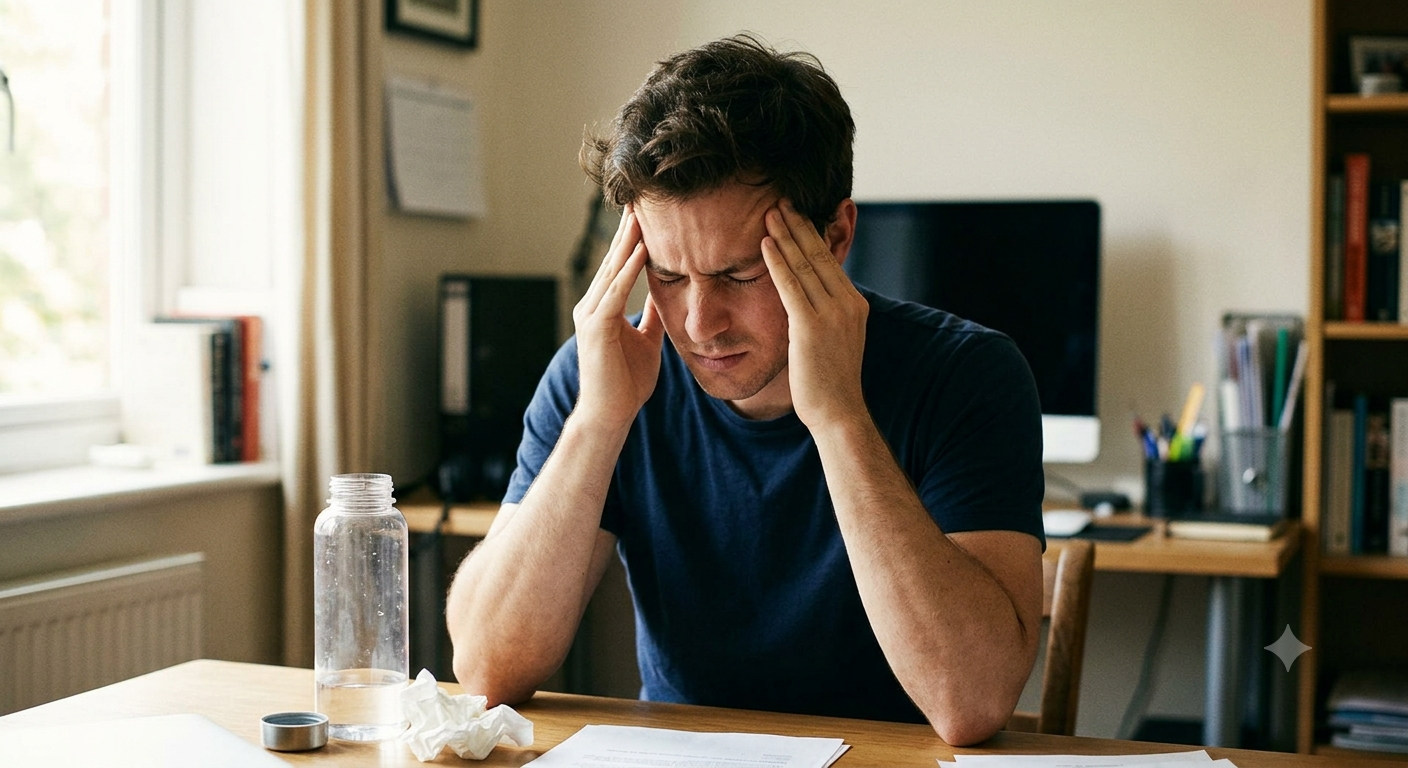
When you do not drink enough fluids, you may notice tiredness, thirst, dizziness, or a throbbing head. Dehydration cause headaches is a common concern, especially after sweating, spending time in hot weather, or forgetting to drink water throughout the day. Dehydration can affect normal body functions, and a headache may be one sign that your fluid intake is not meeting your needs.
Can Dehydration Cause Headaches?
Yes, dehydration can cause headaches in some people. Does Dehydration Cause Headaches after heavy sweating, vomiting, diarrhea, fever, or insufficient fluid intake?
Common situations that can increase your risk include:
-
Spending several hours outdoors in hot weather
-
Exercising without replacing lost fluids
-
Drinking very little water throughout the day
-
Losing fluids through vomiting or diarrhea
-
Experiencing a fever that increases fluid loss
Recognizing these situations can help you understand whether dehydration might be contributing to your discomfort.
What Does a Dehydration Headache Feel Like?
Head pain linked to fluid loss may present as a mild, steady ache or a pulsing sensation. Some people notice discomfort across the forehead, while others experience pain on one side or throughout the head.(keyword)
The type and intensity of head pain differ from person to person. Other possible dehydration headache symptoms include:
-
Thirst or a dry mouth
-
Tiredness or unusual weakness
-
Lightheadedness, particularly when standing
-
Dark yellow urine or urinating less often
-
Difficulty concentrating
Experiencing these signs together may suggest fluid loss, although other conditions can produce similar symptoms. Pay attention to whether they appear after limited fluid intake, sweating, or illness.
Where Is Dehydration Headache Pain Usually Felt?
There is no single location that identifies a dehydration headache. Pain may occur in different parts of the head, and its location alone cannot establish the cause.
Some people experience:
-
Forehead: A dull ache or feeling of pressure.
-
Temple area: Aching or soreness near either side of the forehead, close to the eyes.
-
Back of the head: Aching or tightness around the rear of the skull.
-
Whole head: Generalized pain rather than discomfort in one specific area.
Maintaining a balanced diet alongside adequate hydration supports overall health. You can explore these vitamin B12 foods to learn about nutritious options to include in your daily meals.
If your headache develops alongside thirst, dry mouth, or dark urine, dehydration may be one possible explanation. However, headaches caused by migraines, tension, and other conditions can feel similar.
What Other Signs of Dehydration Can Occur?
The symptoms and signs of dehydration can range from mild thirst to more serious changes in alertness and circulation. Your symptoms may depend on how much fluid you have lost and how quickly the loss occurs.
Common dehydration symptoms include:
-
Increased thirst
-
Dry mouth and lips
-
Reduced urination
-
Darker-than-usual urine
-
Fatigue or weakness
-
Dizziness or lightheadedness
-
Dry skin or reduced skin moisture
Changes associated with dehydration skin may include dryness or a less supple appearance. However, dry skin can also result from weather, frequent washing, or skin conditions.
Signs of dehydration newborn caregivers should watch for include fewer wet diapers, dry mouth, poor feeding, unusual sleepiness, and a sunken soft spot.
Why Might Head Pain Continue After Hydration?
Drinking water may help if dehydration contributes to your headache, but relief is not always immediate. Your body needs time to absorb fluids, and the headache may have another cause.
Several factors may explain why the pain continues:
-
Not enough fluid replacement: A small amount of water may not replace all the fluid lost through sweating or illness.
-
Ongoing fluid loss: Fever, vomiting, or diarrhea can continue to reduce your body’s fluid levels.
-
Another headache trigger: Stress, poor sleep, skipped meals, or migraine may be responsible.
-
Delayed recovery: Some discomfort may linger while your body restores its fluid balance.
Sip water regularly rather than drinking a large amount all at once.
How Long Does a Dehydration Headache Last?
A dehydration-related headache may begin to improve after you replace lost fluids, but the timing varies.
A dehydration headache for days should not automatically be blamed on fluid loss, especially if the pain continues after drinking enough fluids.
Recovery depends on several factors:
-
How much fluid your body has lost
-
Whether you continue to lose fluids
-
Your activity level and surrounding temperature
-
Whether another condition is causing the headache
If the headache continues despite drinking fluids, becomes severe, or repeatedly returns, consider other possible causes rather than assuming you simply need more water.
How Can You Relieve a Dehydration Headache?
A dehydration headache cure is not the same for everyone because the underlying cause and severity matter. If dehydration is contributing to your pain, replacing fluids is an important first step.
Try these practical measures:
-
Drink water regularly: Take small, frequent sips, especially if you feel nauseated.
-
Replace lost electrolytes: Vomiting and diarrhea can drain fluids and minerals from the body.
-
Rest in a cool place: Choose a shaded or air-conditioned space and pause demanding physical activities until you feel better.
-
Eat regular meals: Food can provide fluids and electrolytes alongside your usual drinks.
-
Monitor your symptoms: Notice whether thirst, urine color, dizziness, and headache improve.
Along with hydration, healthy daily habits can support your overall well-being. Explore these detox water for weight loss ideas for refreshing ways to add variety to your daily water intake. Detox water does not remove toxins or directly cause weight loss.
How Can You Prevent Dehydration Headaches?
A dehydration-related headache may begin to improve after you replace lost fluids, but the timing varies. Mild dehydration may improve with regular drinking and rest, while more substantial fluid loss can take longer to correct. Some people may also notice a dehydration headache back of head, although headache location alone cannot confirm the cause.
Recovery depends on several factors:
-
How much fluid your body has lost
-
Whether you continue to lose fluids
-
Your activity level and surrounding temperature
-
Whether another condition is causing the headache
Simple dehydration therapy, such as drinking enough fluids and replacing lost electrolytes, may help restore your body’s fluid balance.
If the headache continues despite drinking fluids, becomes severe, or repeatedly returns, consider other possible causes rather than assuming you simply need more water.
Conclusion
Understanding why dehydration cause headaches can help you recognize the connection between fluid loss and head pain. Thirst, dry mouth, dizziness, fatigue, and darker urine may provide additional clues, although they do not prove that dehydration is the cause.
Drinking enough fluids throughout the day may help prevent dehydration-related discomfort. If a headache persists or becomes severe, consider other possible causes rather than assuming dehydration is responsible.
Frequently Asked Questions
1. Can Dehydration Cause Daily Headaches?
Yes, inadequate fluid intake may contribute to frequent headaches, but other factors can also be responsible.
2. Can Mild Dehydration Trigger a Headache?
Yes, some people experience headaches after mild fluid loss, especially during exercise or hot weather.
3. Which Symptoms May Point to a Dehydration Headache?
Head pain alongside unusual thirst, sticky saliva, or passing small amounts of urine may suggest that your body needs more fluids.
4. Can Drinking Water Help Relieve a Dehydration Headache?
Yes, drinking water may ease dehydration-related headaches, though improvement can take time.
5. What Helps Relieve a Dehydration Headache Quickly?
Drink water in small, regular sips. An oral rehydration solution may help after significant fluid loss.


No Comments