
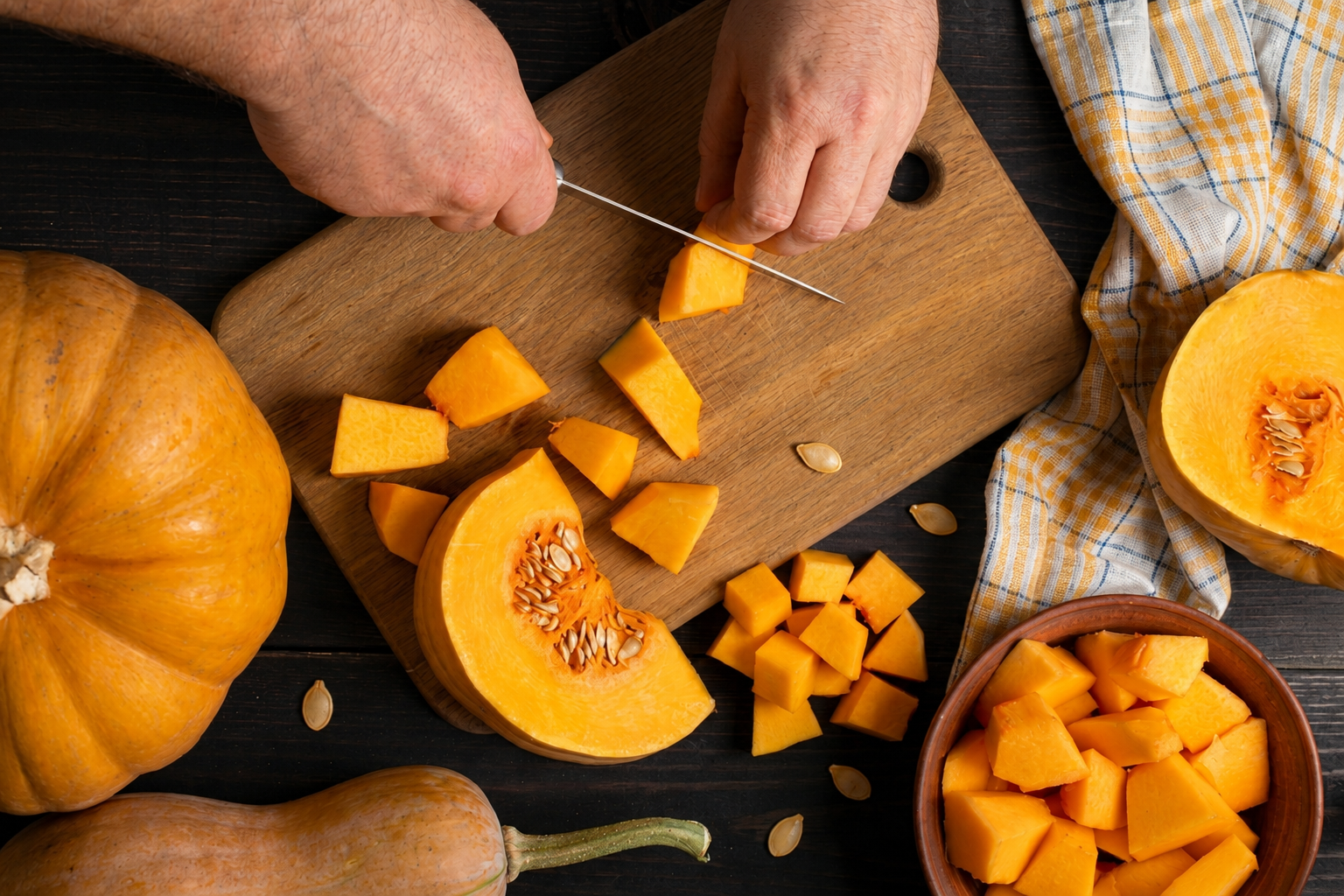
Pumpkin is more than an ingredient for soups and curries. Pumpkin brings useful nutrients to everyday meals, including fiber, vitamins, minerals, and antioxidant compounds. The Benefits of Pumpkin include supporting eye health, digestion, and immunity as part of a balanced diet. But is pumpkin good for you, and what makes it worth adding to your meals? Understanding its nutrients and different ways to enjoy it can help you make the most of this versatile vegetable.
What Makes Pumpkin a Nutrient-Rich Food?
Pumpkin nutrition makes it a useful addition to a balanced diet. It is naturally low in calories and provides several nutrients your body needs.
Including a variety of nutrient-rich foods, such as vitamin B12 foods, alongside pumpkin can help you maintain a balanced diet.
-
Vitamin A: The beta-carotene in pumpkin can be converted into vitamin A, a nutrient your eyes need for normal vision.
-
Fiber: Pumpkin adds fiber to your meals, helping your digestive system maintain regular bowel movements.
-
Vitamin C: Contributes to normal immune function.
-
Potassium: Supports normal muscle function and blood pressure regulation.
-
Antioxidants: Help protect cells from damage caused by free radicals.
These nutrients contribute to the health benefits of pumpkin, especially when you eat it regularly alongside a varied diet.
8 Ways Pumpkin May Support Your Everyday Health
The following pumpkin benefits show how this colorful vegetable can fit into your daily meals.
1. Supports Eye Health
Pumpkin contains beta-carotene, which the body converts into vitamin A. This vitamin helps maintain normal vision, particularly in low light.
2. Provides Antioxidants
Pumpkin contains beta-carotene and other antioxidant compounds. Antioxidant compounds in pumpkin help defend the body’s cells against oxidative damage.
3. Supports Immune Function
Pumpkin supplies vitamins A and C, both of which play roles in keeping the immune system functioning normally. Eating pumpkin with other nutrient-rich foods can help you meet your daily nutritional needs.
4. Promotes Healthy Digestion
Pumpkin provides fiber, which supports bowel regularity. Including it in meals with whole grains, fruits, and vegetables can help increase your overall fiber intake.
5. Fits Into a Weight-Conscious Diet
Pumpkin is relatively low in calories and can add color, flavor, and volume to meals. It may help make meals satisfying without relying on high-calorie ingredients.
6. Contributes to Heart Health
Pumpkin provides potassium, which supports normal blood pressure regulation. Its fiber content can also contribute to a heart-friendly eating pattern.
7. Supports Skin Health
Beta-carotene is converted into vitamin A, which helps maintain normal skin. Along with a balanced diet, ingredients such as honey are also popular in skincare routines, and learning about the honey benefits for skin can help you explore other ways to care for your skin.
8. Provides Essential Nutrients
The combination of vitamins, minerals, fiber, and antioxidants makes pumpkin a useful part of a varied diet. These pumpkin health benefits depend on your overall eating habits rather than one food alone.
What Are Some Healthy Pumpkin Snack Ideas for Kids?
Pumpkin can be an easy way to add vegetables to children’s meals. Since a balanced diet includes a variety of nutrients, parents can also learn about the signs of deficiency of vitamin B12 to better understand the importance of getting enough vitamin B12.
Try these simple pumpkin snack ideas:
-
Pumpkin pancakes: Mix pumpkin puree into pancake batter for extra flavor and nutrients.
-
Roasted pumpkin cubes: Roast small pieces with a little oil and mild seasoning.
-
Pumpkin muffins: Use pumpkin puree in homemade muffins and limit added sugar.
-
Creamy pumpkin soup: Blend cooked pumpkin with vegetables for a smooth, comforting meal.
-
Pumpkin yogurt bowl: Stir a little pumpkin puree into plain yogurt with cinnamon.
To enjoy the yellow pumpkin benefits, add cooked yellow pumpkin to a curry, blend it into soup, or roast it as a side dish. Their nutrient content varies by variety and preparation.
What Is the Healthiest Way to Eat Pumpkin?
The healthiest preparation also includes staying hydrated, especially when eating fiber-rich foods. Since dehydration can sometimes cause headaches, learn more about does dehydration cause headaches and remember to drink enough water throughout the day.
Here are a few practical options:
-
Add cooked pumpkin to soups, curries, or vegetable dishes.
-
Stir pumpkin puree into oatmeal or use it to add moisture and flavor to homemade muffins.
-
Choose whole pumpkin over sugary pumpkin desserts when possible.
-
Drink pumpkin juice occasionally if you enjoy it, but remember that juicing can reduce the fiber you get from eating whole pumpkin. The pumpkin juice benefits depend on how it is prepared and whether sugar is added.
Pumpkin seeds are also nutritious. A pumpkin seed provides protein, healthy fats, magnesium, and zinc. Pumpkin kernels are the edible inner parts of the seeds, and the benefits of pumpkin kernels include supplying these nutrients as part of a balanced diet.
Can Eating Pumpkin Cause Any Side Effects?
Pumpkin is generally safe for most people when eaten in normal food amounts. However, a few points are worth considering:
-
Digestive discomfort: Eating large portions may cause bloating or discomfort in some people.
-
Allergies: Although uncommon, allergic reactions can occur.
-
Added sugar: Pumpkin desserts and sweetened drinks may contain considerable added sugar.
-
Potassium restrictions: People advised to limit potassium intake may need to consider pumpkin portions within their dietary plan.
Ash pumpkin, also called winter melon in some regions, is different from the orange pumpkin commonly used in cooking. Ash pumpkin benefits may include hydration and a low-calorie addition to meals, but its nutritional profile differs from that of orange pumpkin.
Conclusion
Pumpkin offers a combination of fiber and essential nutrients, making it a useful choice for everyday meals. The Benefits of Pumpkin include supporting normal vision, digestion, and immune function when it is part of a balanced diet. You can enjoy it in soups, curries, roasted dishes, or homemade snacks, while pumpkin seeds offer additional nutrients. Choose simple preparation methods, and limit added sugar to make pumpkin a practical part of your everyday meals.
Frequently Asked Questions About Pumpkin
1. Is pumpkin good for you?
Yes. Pumpkin provides fiber, beta-carotene, potassium, and other nutrients that support general health when included in a balanced diet.
2. What are the main yellow pumpkin benefits?
Yellow pumpkin provides beta-carotene, fiber, and other nutrients. The nutrients in pumpkin differ somewhat across varieties, and cooking methods can also affect the final nutritional content.
3. What are the benefits of ash pumpkin?
Ash pumpkin, or winter melon, has a high water content and can be a refreshing, low-calorie addition to meals. Its nutrients differ from those in orange pumpkin.
4. Are pumpkin seeds healthy?
Yes. Pumpkin seeds contain protein, unsaturated fats, magnesium, and zinc.
5. Can you eat pumpkin every day?
Most people can enjoy pumpkin regularly in reasonable portions. Vary your vegetables and prepare pumpkin with limited added sugar and salt for a balanced approach.

No Comments